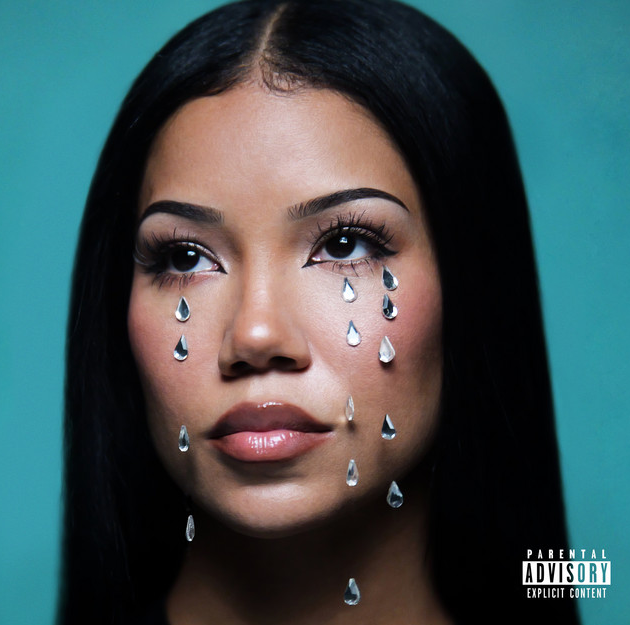
Parks has always been a documentarian of other people’s small disasters, and the cast here is as precise as ever. On “Blue Disco,” fifteen friends are still there at ten to six in the morning: Aleda’s cousin is sick out back, Crash and Ames are kissing and fighting in the same breath. Marie stands on the edge of the dancefloor on “Get Go,” holding both her heels, sequins on her jeans, trying to dance through heartbreak, only to spot her ex at the bar with someone new. You trust these scenes because the details are too strange to be invented — they have the specificity of an anecdote told the morning after, with all the minor disasters still intact.
The production, built largely by Baltimore producer Baird in his downtown loft across two years, earns its references without cosplaying them. “Nightswimming” recalls the dying days of 2-step garage; “Senses,” featuring Sampha, shades into James Blake territory; “Blue Disco” anchors itself with a heavier, more deliberate drum pattern than the record’s elsewhere breakbeat-driven grooves. The whole thing feels like dancefloor anthems half-remembered on the walk home — melodies scratched into your neural pathways before you’ve consciously registered them.
Where the album surprises is in how frankly it handles the weight that arrives alongside the euphoria. Ambiguous Desire is not a party record with a hangover tacked on at the end. The comedown is structural. On “Beams,” Parks drops a difficult confession with no cushioning, just the fact. On “Senses,” she admits to dulling herself with art and women, wishing — while cycling — she’d simply disappear at speed; Sampha closes the song with his own flinching answer, that clarity lives in the direction of pain. “What If I Say It?” lets a question hang unanswered: does saying it make it real? Parks resists the neat resolution, and the restraint is devastating.
There are moments where her careful craft and the album’s studied club literacy work slightly against each other — you occasionally want her to lean into the mess rather than frame it. But Ambiguous Desire is, finally, Parks at her most courageous: a record that goes out, stays late, and comes home changed.