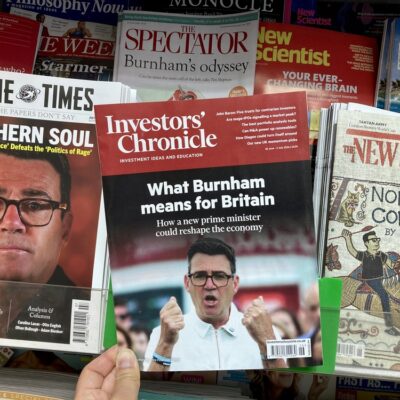
Is Burnham’s promise to “let Britain believe again” hope or hype? How the press covered PM’s first Commons statement

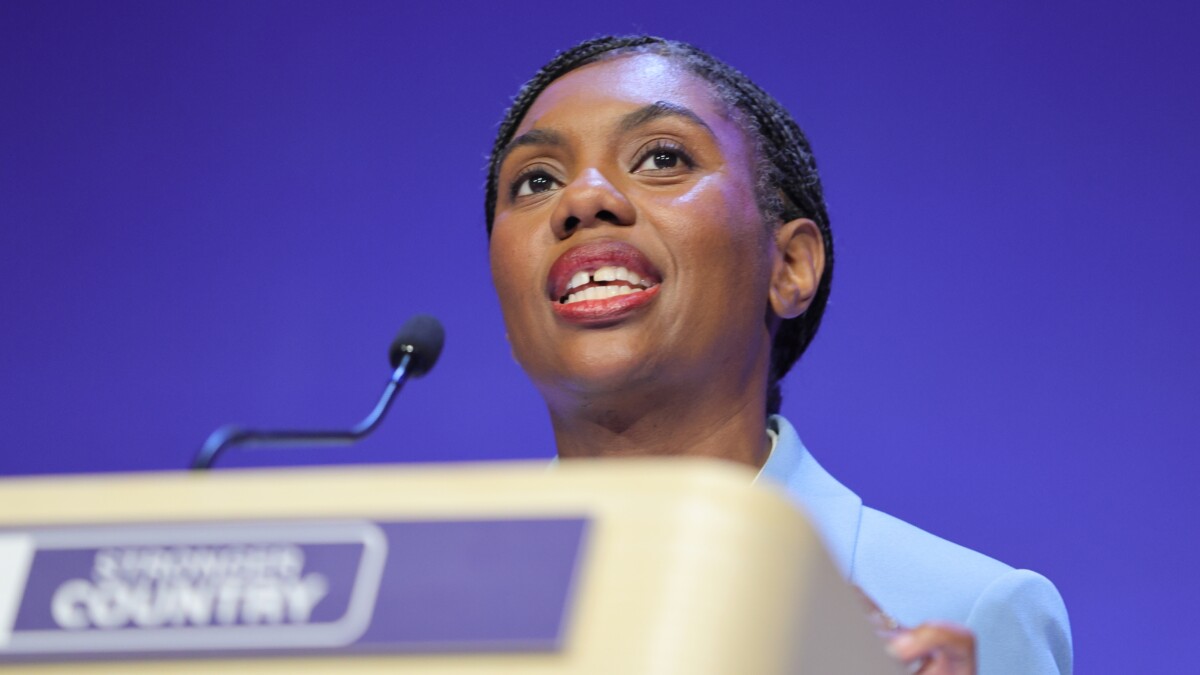
Andy Burnham delivered a statement to the House of Commons as prime minister for the first time on Tuesday, formally marking the end of a six-week ‘honeymoon period’ where he had been largely free to set agendas on his own terms during summer recess. Keir Starmer resigned his parliamentary seat on the same day.
The speech served as the most complete statement yet of his governing philosophy. Burnham argued that Britain had taken a series of wrong turns since the 1980s — through centralisation, privatisation, deindustrialisation, austerity and Brexit — that had stripped communities of agency and locked in a low-growth economic model.
His answer: a place-first approach to growth, driven by the biggest transfer of power from Westminster to the regions in modern times. Every part of England without a devolution deal was offered one. No 10 North, his second prime ministerial office based in Manchester, will begin talks with Cornwall Council and its six MPs, with or without an elected mayor. The First Secretary of State will write to every MP setting out how their constituency can engage with the process. A National Economic Council meeting with the devolved nations will follow next month.
On immediate cost-of-living relief, he set out what his first weeks in office had already delivered: VAT removed from domestic electricity bills until next April, business rates cut by 20% for pubs, social clubs and live music venues, and the £2 bus fare cap reinstated for 2027. All, he said, funded through reprioritisation within government rather than new borrowing.
He confirmed attendance at COP31 in Turkey in November, acknowledged that this summer is likely to have been the hottest on record, and said water companies were failing to meet the climate challenge.
He addressed prison reform directly, confirming that anyone convicted of manslaughter, death by dangerous driving or indecent assault will be exempted from the early release scheme — going beyond the rape and child sex offence exemptions already announced — and pledged legislation to end indefinite IPP sentences.
On immigration, he said Channel crossings are at their lowest level since 2021, year to date, down by half on last summer, and announced he would thank President Macron personally when he visits London on Wednesday for the opening of the Bayeux Tapestry exhibition.
Left-leaning coverage had a broadly positive response to the statement, while maintaining some skeptical scrutiny. For example, mention of the public control agenda — Burnham’s commitment to bringing water, energy and transport under greater state oversight — was flagged by several outlets as vague.
Right-leaning outlets were more likely to focus on the rhetoric-versus-reality gap, presenting the statement as the performance of a “rock star” politician whose optimism is yet to be matched by measurable outcomes against a backdrop of pressures.
Unless otherwise linked, headlines are front pages from 02/09/2026
Andy Burnham’s first statement to Parliament contained the seeds of his downfall
Burnham lays blame on Brexit for UK’s woes:
PM won’t rule out tax rises as borrowing soars
The Times
Britain’s problems?
I blame Thatcher and Brexit, says BurnhamNo wonder Kemi mocked him for ‘living in the past’ as the ‘Messiah without a mandate’ made his Commons debut as PM
Daily Mail
Brexit an Thatcher to blame for UK’s era of low growth, says PM
The Guardian
Burnham pushes welfare cuts into 2027 – as he plans bolder devolution
i Paper
Tory leader attacks Burnham for nationalisation drive
KEMI: New PM wants to take us back to the 70s
Daily Express
Historic battle:
Burnham promises a bright new future as his bitter foe Badenoch accuses him of dragging Britain back to past
Metro
Andy Burnham promises more devolution and public control of essential services
Editorial credit: repic / Shutterstock.com