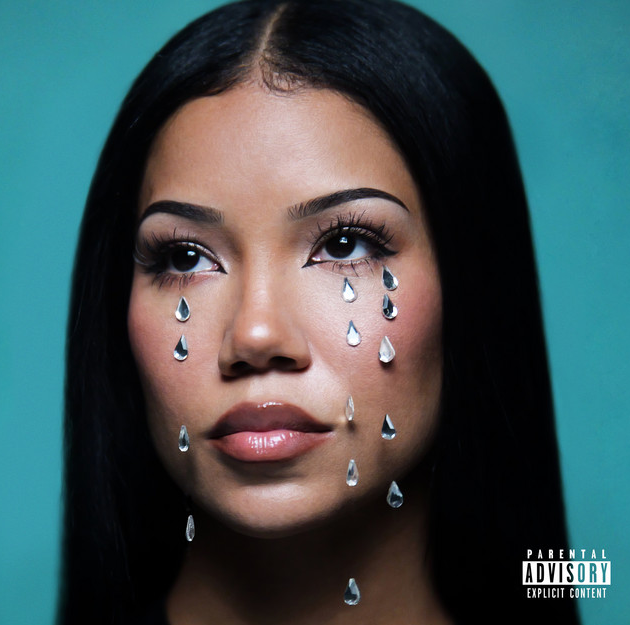
Here’s the thing about releasing three albums in one night: it is either an act of supreme creative confidence or a man throwing everything at the wall and hoping at least some of it sticks. In Drake’s case, it’s probably both, and the fact that we’re even debating it means he’s already won something — attention, if nothing else.
Whether the music justifies the spectacle is a different question entirely.
The context matters. Since Kendrick Lamar dismantled him so thoroughly in 2024 — culminating in “Not Like Us” winning Record of the Year at the Grammys — Drake has been in an unusual position for someone of his stature: a superstar with something to prove. Two-and-a-half hours and 43 songs later, he’s still proving it, still relitigating, still tallying up the betrayals. The scoreboard is never far away.
Iceman is where he comes out swinging, and it’s the most convincing of the three. There’s a sharpness here that’s been missing for years — a sense that Drake is actually engaged rather than coasting. Old allies who switched sides during the beef get called out by name, and while the grievances occasionally tip into self-pity, the rapping itself has a snap and focus that his recent output mostly lacked. “Janice STFU” is genuinely fun. “2 Hard 4 The Radio” cannily recycles the West Coast sonic palette that was used against him and turns it into something that’ll sound great blasting from a car window this summer. When he stops relitigating and just raps, the talent is undeniable.
Maid of Honour shifts gears into dancehall-inflected pop territory, and it’s probably the one that’ll soundtrack most people’s summers without them even noticing. The production is buoyant and well-crafted, and there are moments — particularly the Popcaan collab “Amazing Shape” — where Drake sounds genuinely loose and happy rather than performing looseness and happiness. It’s slight, but it works on its own terms.
Habibti is where the trilogy runs out of steam. Pitched as an R&B-leaning record exploring love, loss and the women in his life, it instead delivers the thinnest version of a story Drake has told many times before. The emotional terrain is familiar to the point of parody — desire, attachment, grievance, repeat — and without the rap energy of Iceman or the production zip of Maid of Honour to carry it, the whole thing drifts. It’s not offensive. It’s just there.
Taken together, the trilogy is a fascinating document of an artist at a crossroads who has decided, characteristically, that the best response to a crossroads is to floor it. Some of this music is genuinely good. Some of it is filler dressed up as statement. All of it is Drake at his most nakedly needy — desperate to be loved again by people who, for now at least, have moved on.
Whether this constitutes a comeback or an extended act of denial is a question only the next year or two – which might be how long it takes some to even get through listening to them all – will answer.