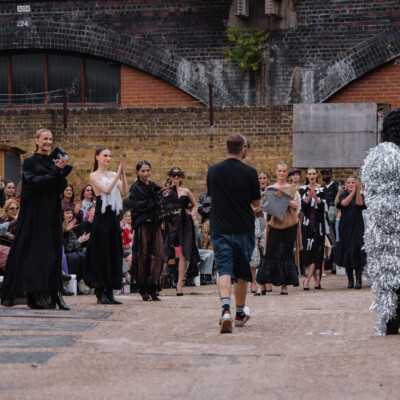
Season after season, Flair Fashion’s collective’s runway at London Fashion Week functions less as a curated aesthetic statement and more as a platform for multiplicity: that the future of fashion is not one conversation but many happening simultaneously, each shaped by a different cultural memory, material instinct or creative urgency.
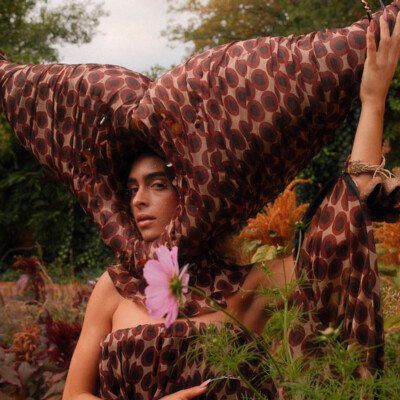
This season’s IGNITE lineup of designers span the world and its wonders: from tradition to the theatrical, the magical to meaningful, we found a collection of perspectives that diverge in origin, but unite in their extraordinary creativity.
QUAREZ // @qu4rez
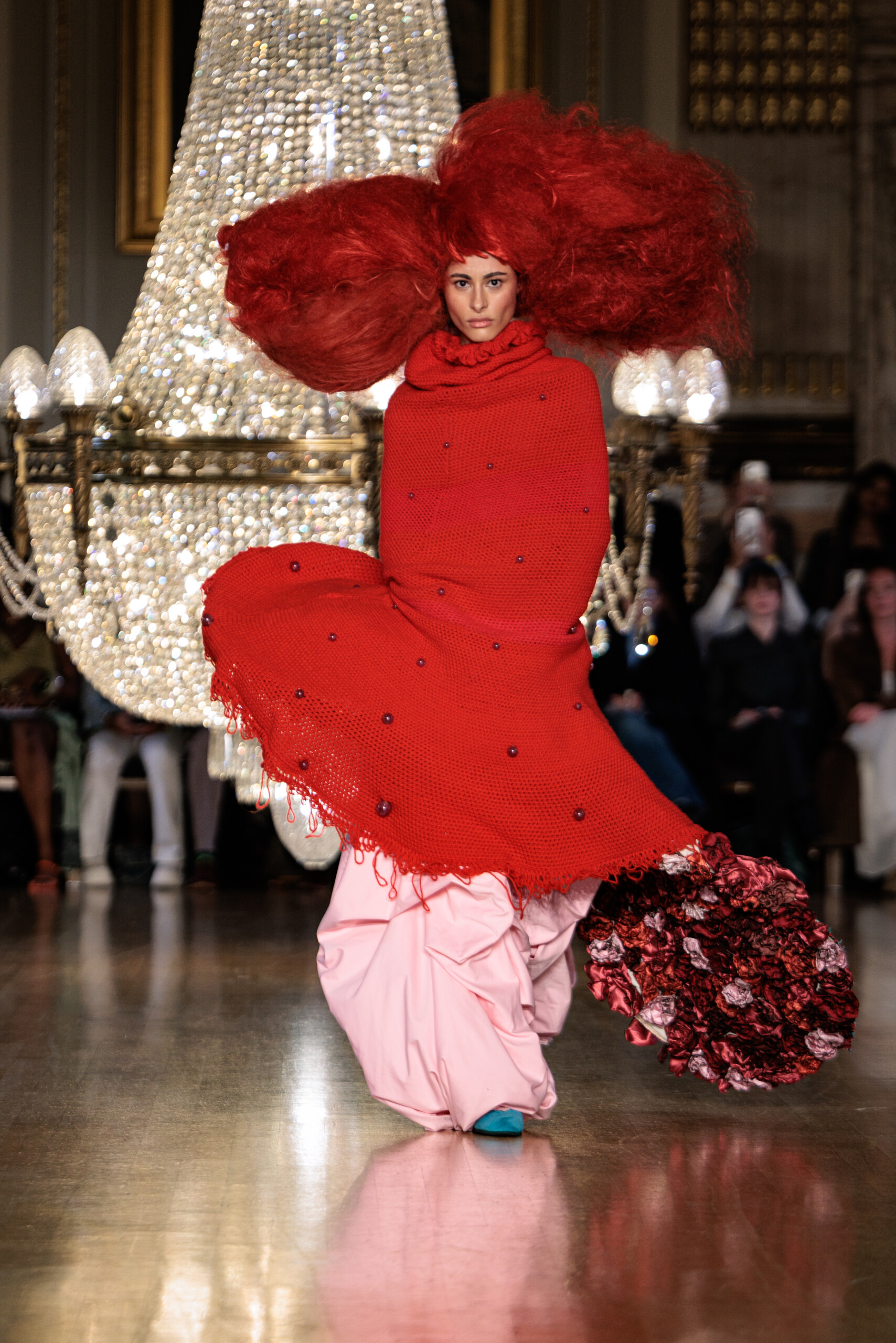
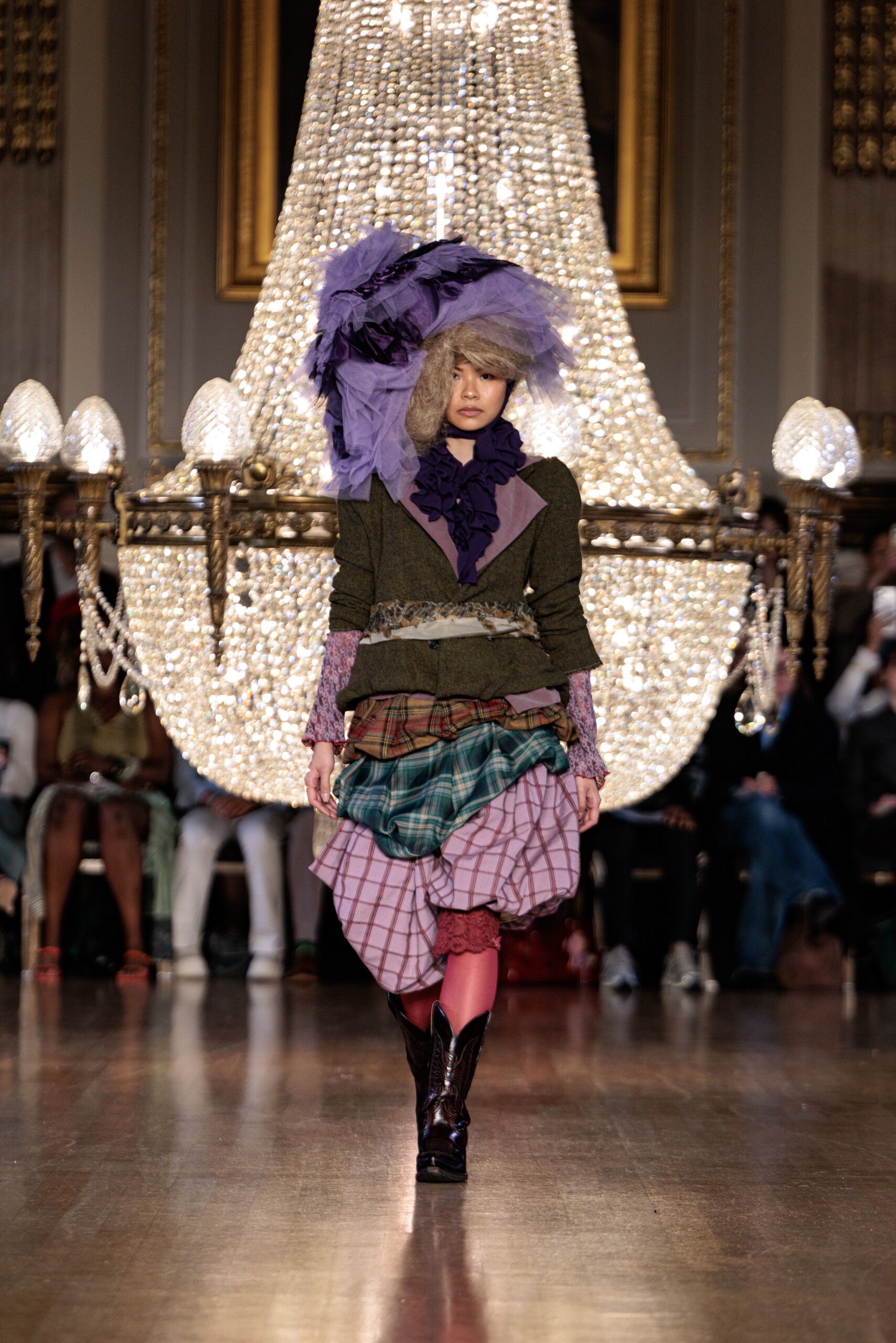
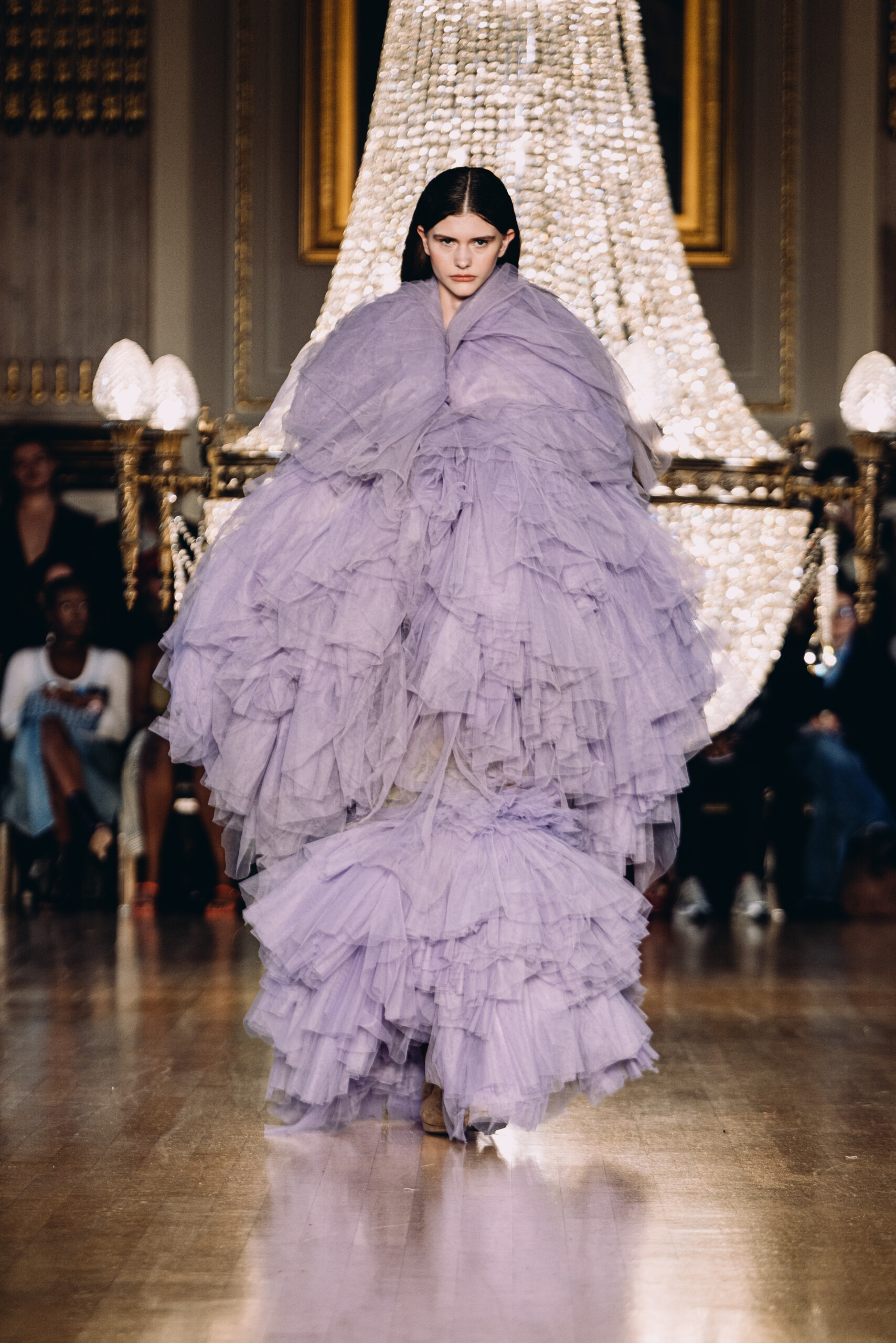
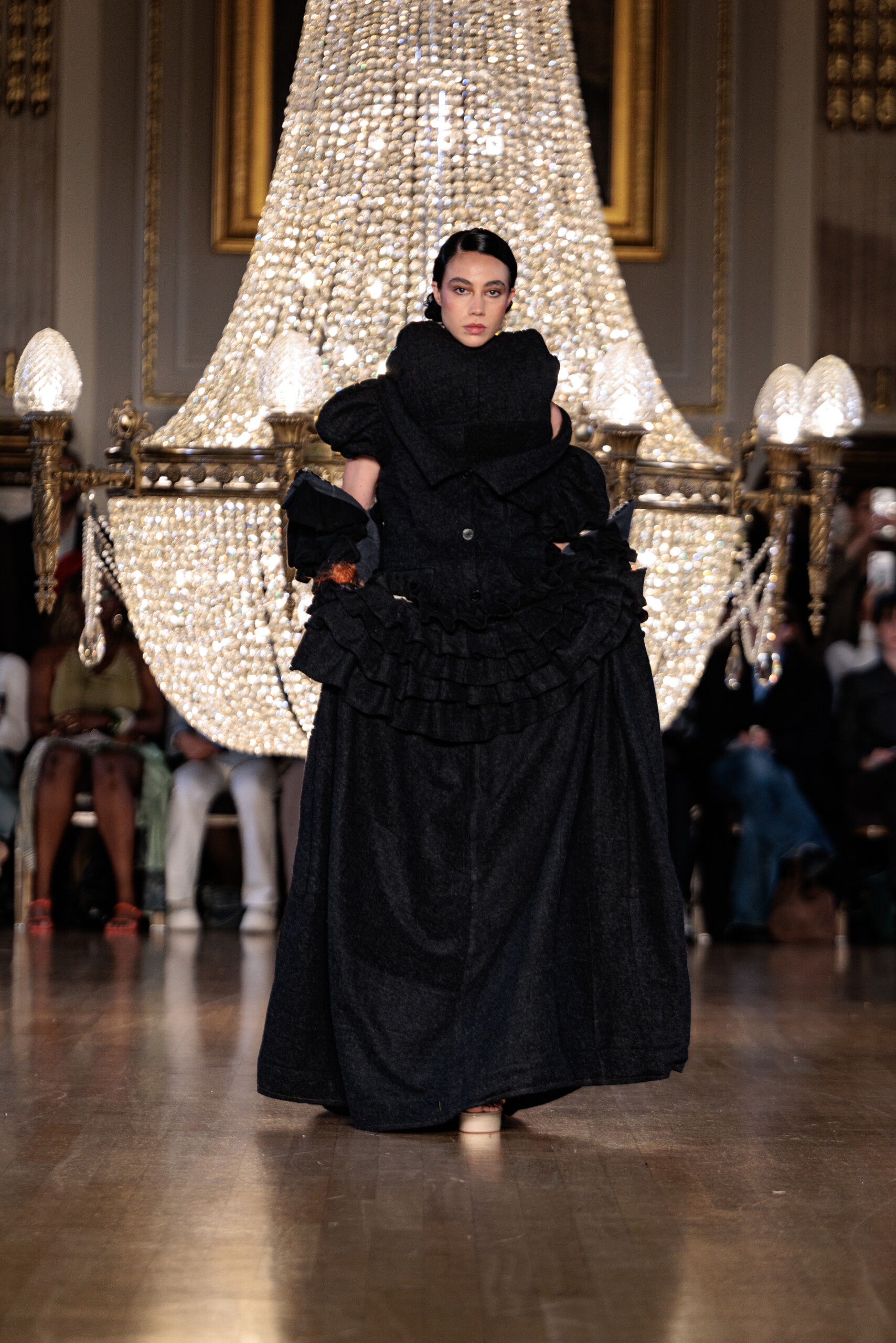
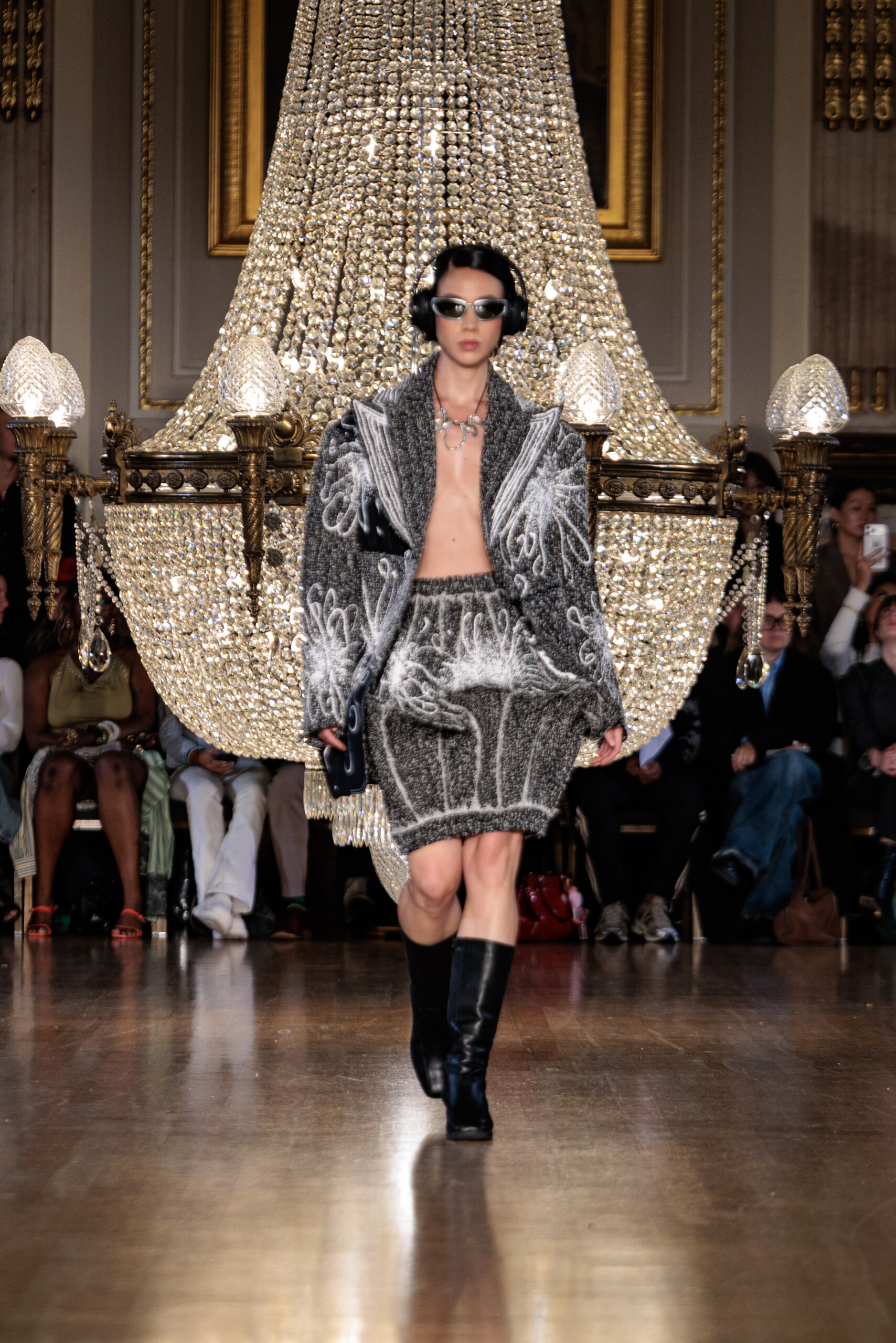
The collection’s exaggerated proportions and protective silhouettes reflect a visually arresting armour, but the emotional logic running beneath them is more complicated than that.
These are garments shaped by the acutely shy, the one who needs to disappear inside volume rather than be seen inside it. Distorted forms and oversized construction create a wearable shell that simultaneously conceals vulnerability and, paradoxically, makes a statement through the act of concealment itself.
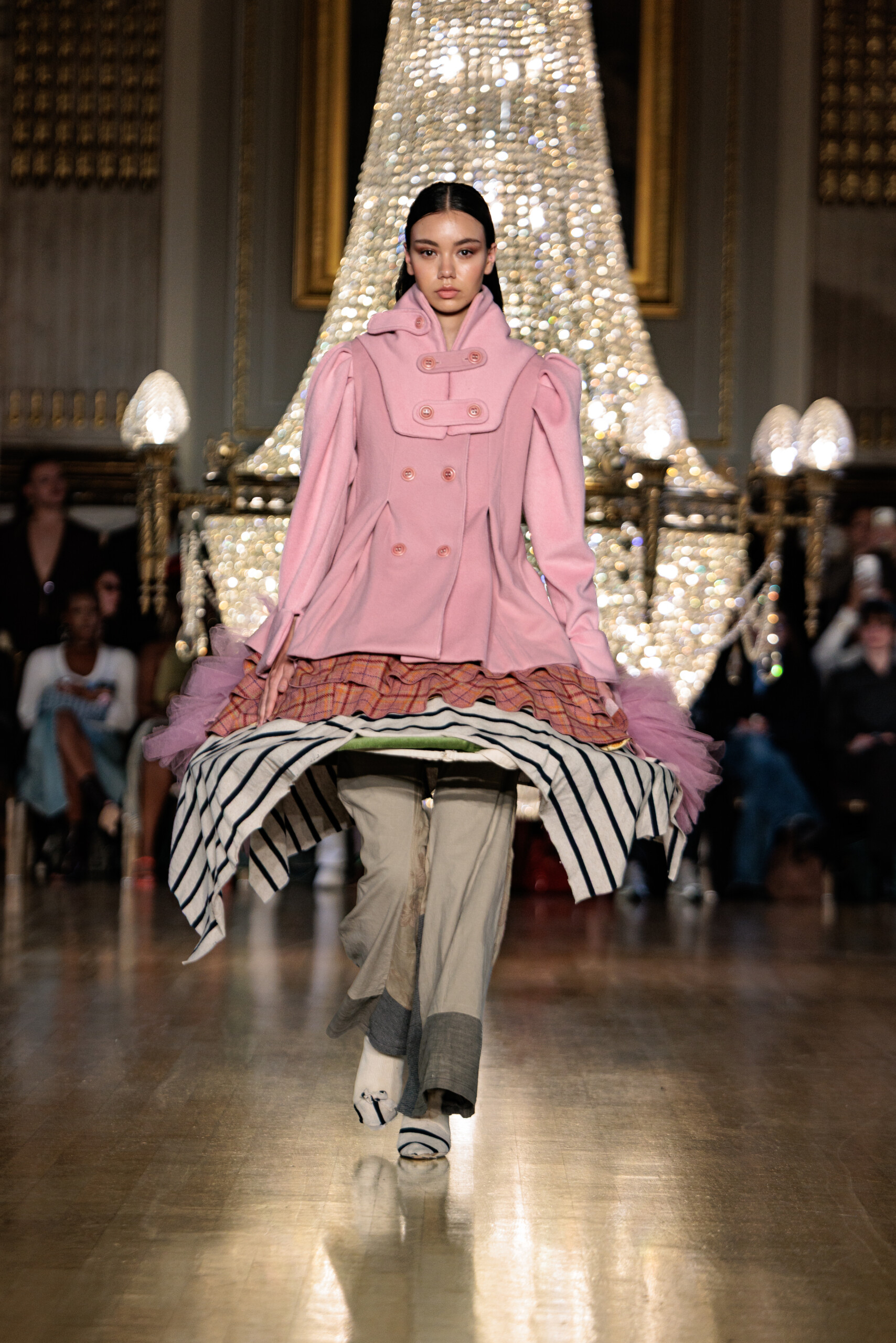
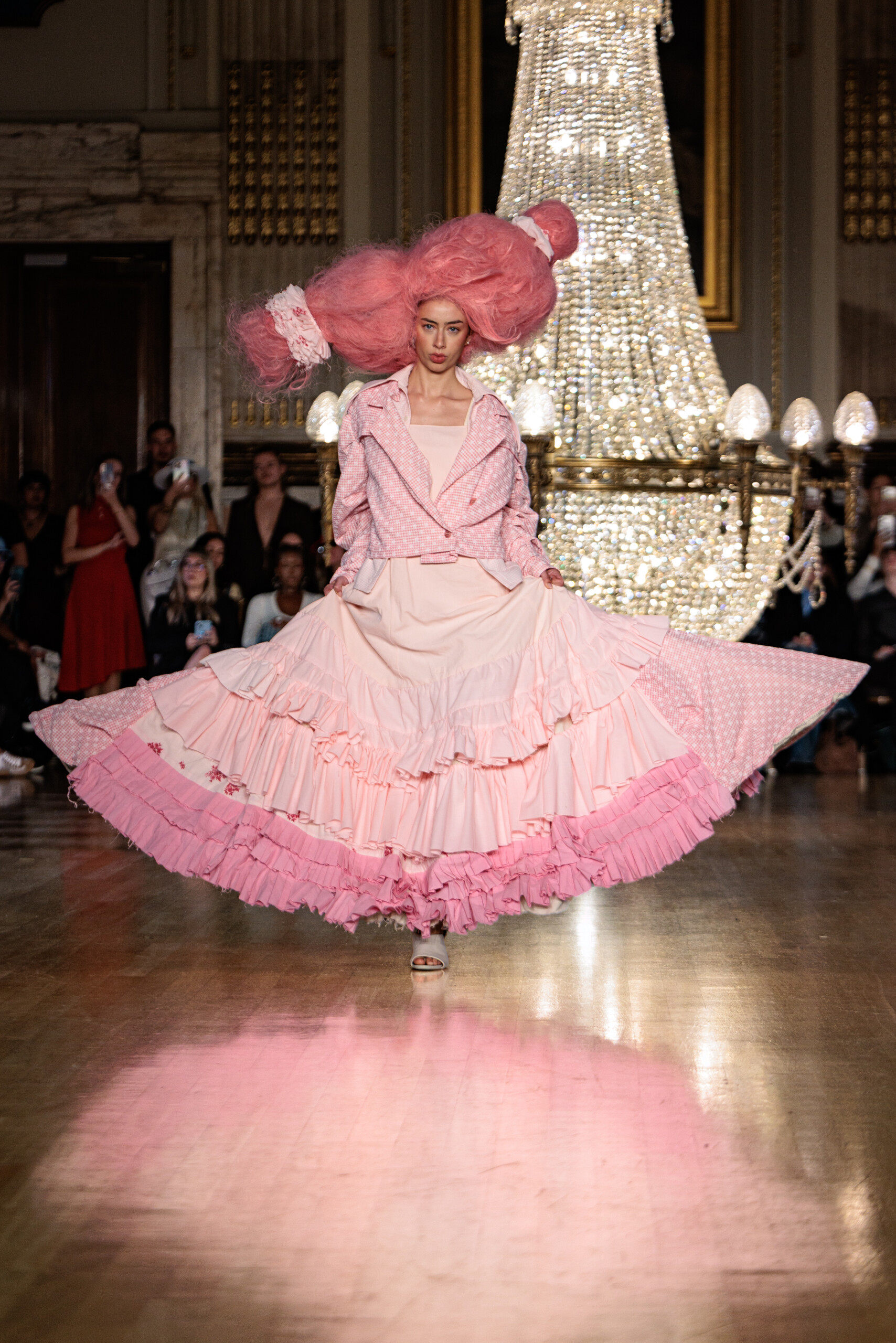
Working almost entirely with pre-existing and repurposed materials, Quarez finds that creative limitation and emotional limitation are asking the same question: what can you make from what you already have?
The result occupies a strange, compelling space between protection and liberation, where femininity is explored not through exposure but through a vivid imagination and instinctive refusal to conform.
BERTH // @berth_hk
Afa Tsang has often explored the space between nostalgia and invention, and Gathering of Dreamers is perhaps the most distinctive expression of that instinct to date.
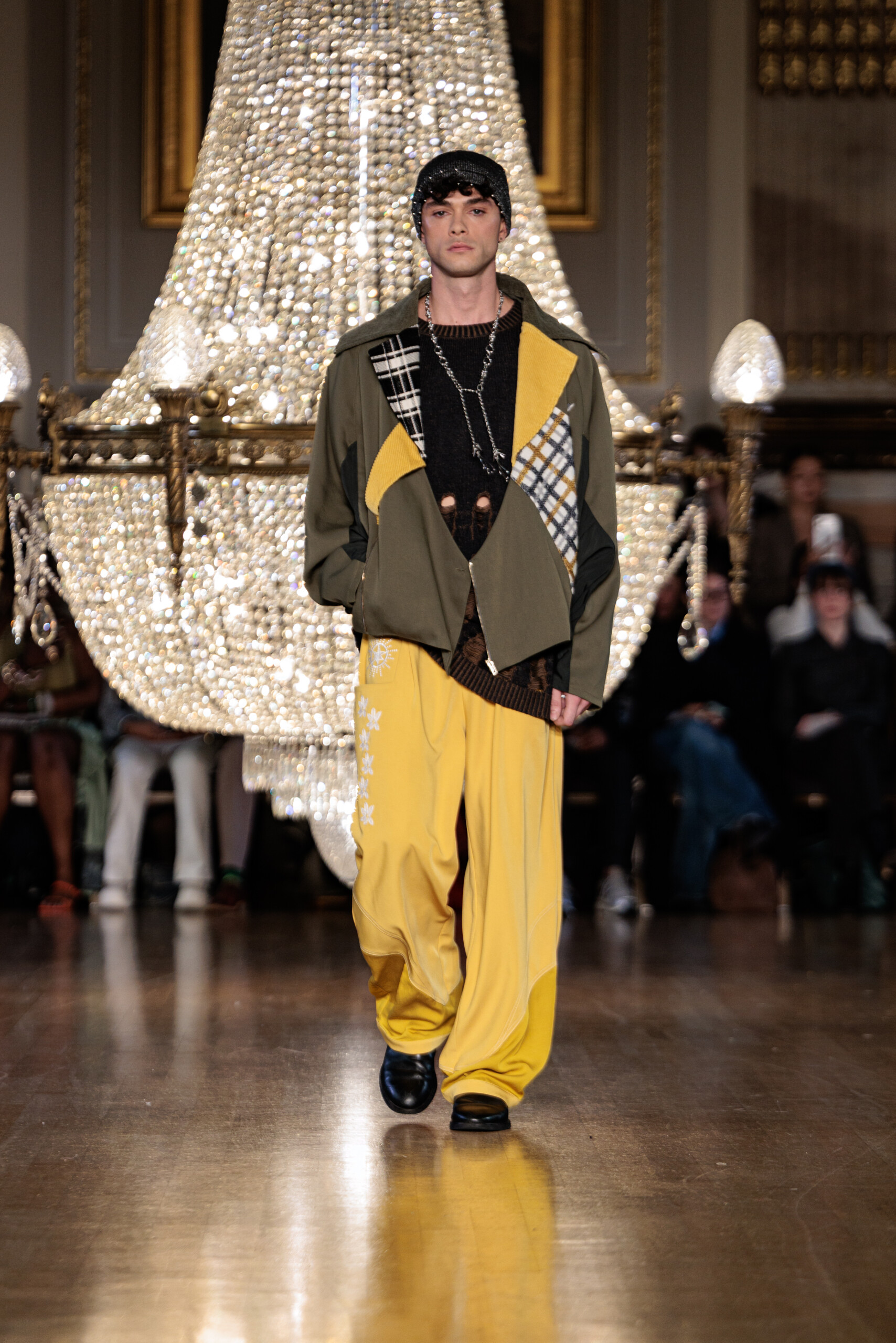
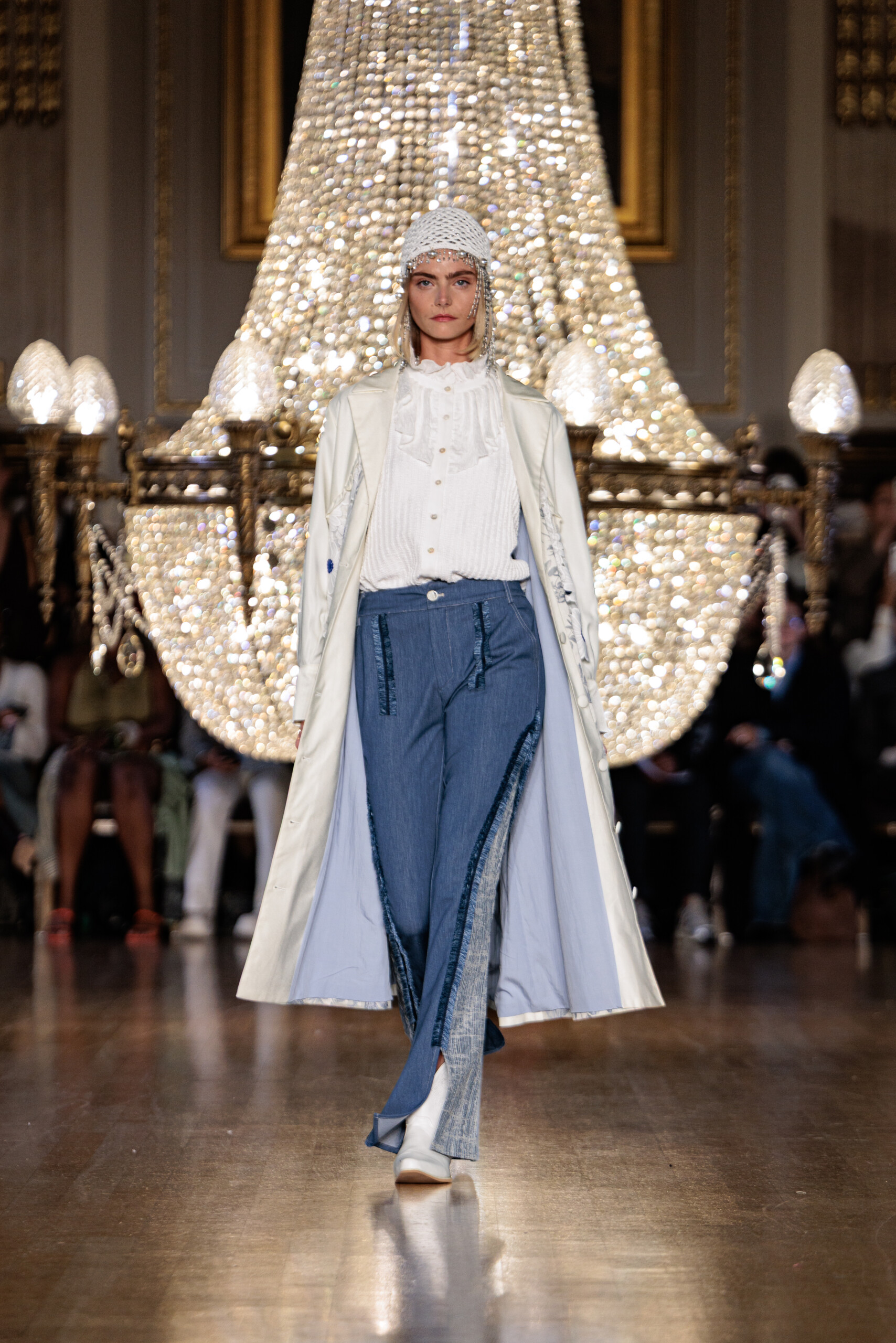
A 1970s bohemian spirit that runs through the collection as a feeling: layered silhouettes that move with the body, cascading fringes that catch light and air, rich textile combinations that refuse the clinical minimalism currently dominating so much of contemporary fashion.
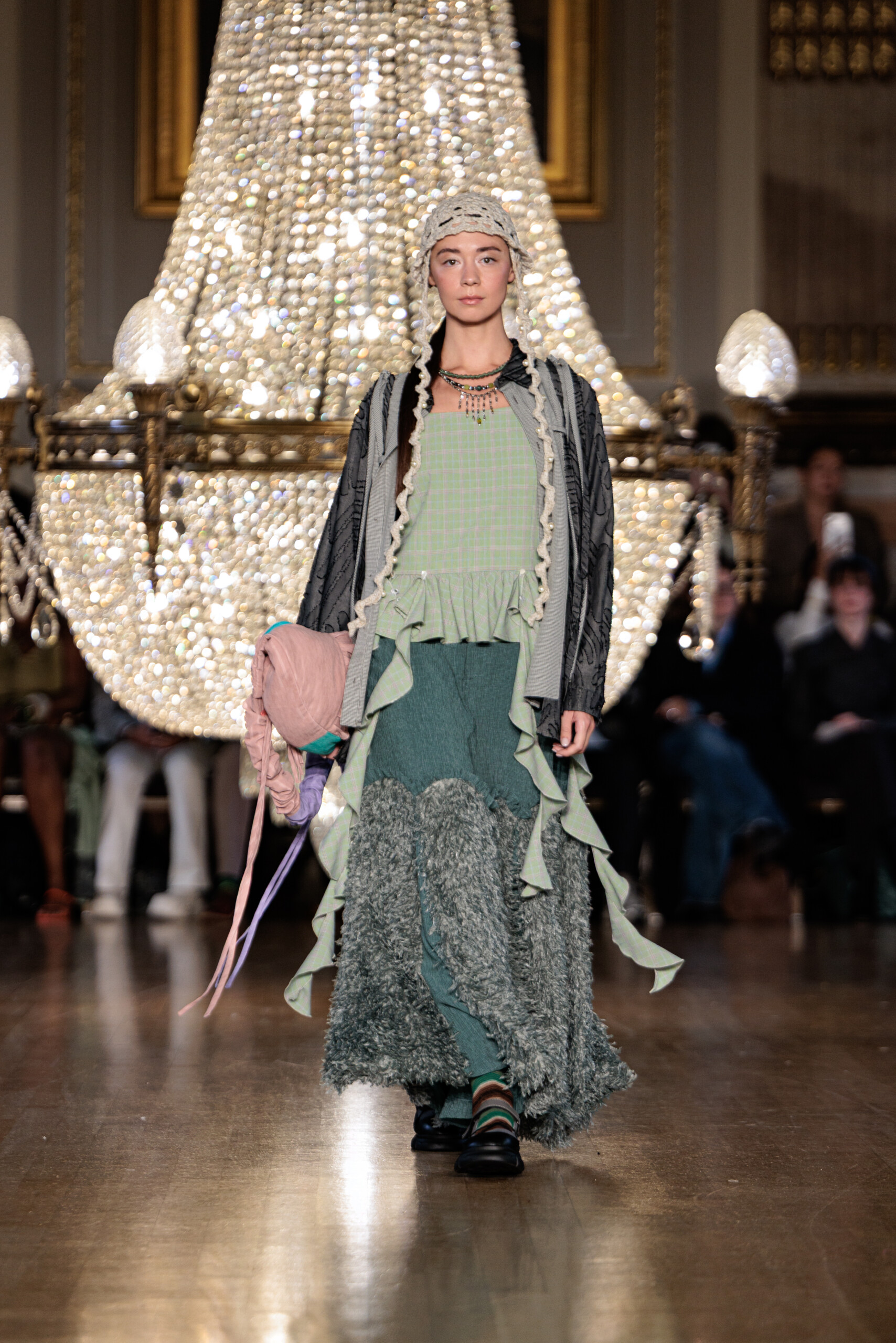
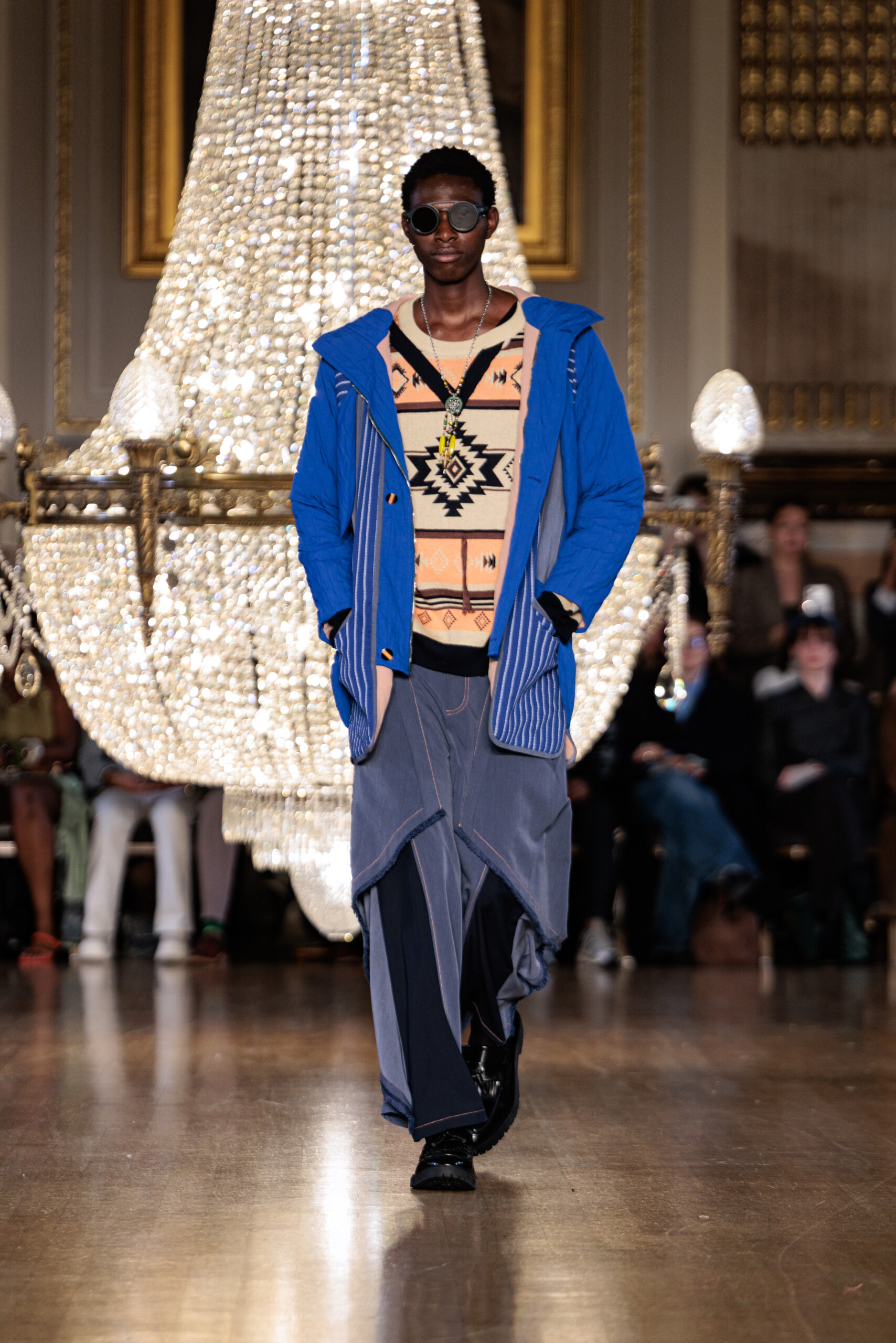
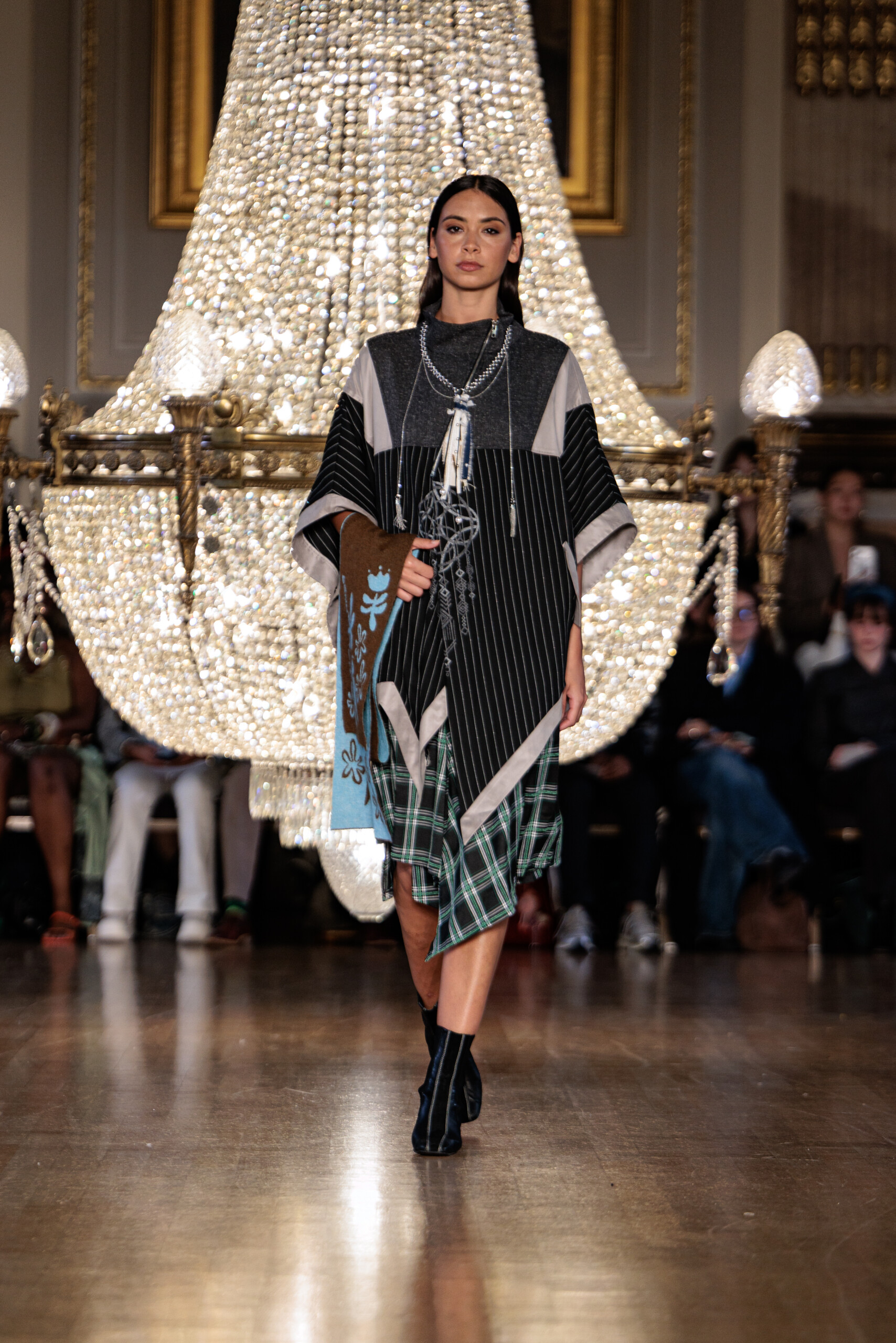
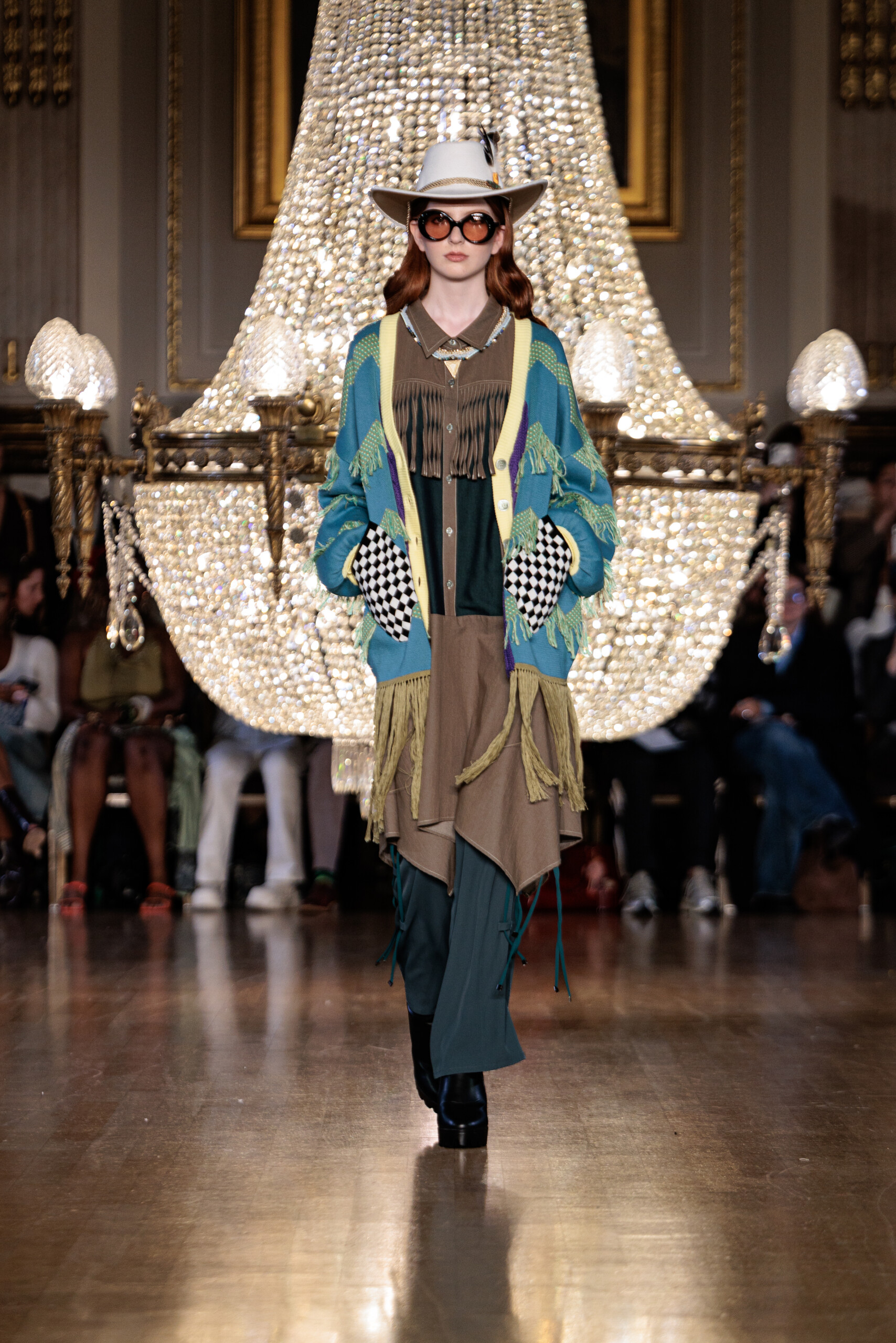
Dream-catcher motifs and embroidered florals carry the era’s romantic symbolism without irony, while Tsang’s signature geometric sensibility keeps everything from tipping into pure revivalism. The result is generous and joyful, a collection that understands freedom as an aesthetic position as much as a philosophical one.
VELESPACE X THE KONG IS DEAD // @velespace x @the.kong.is.dead
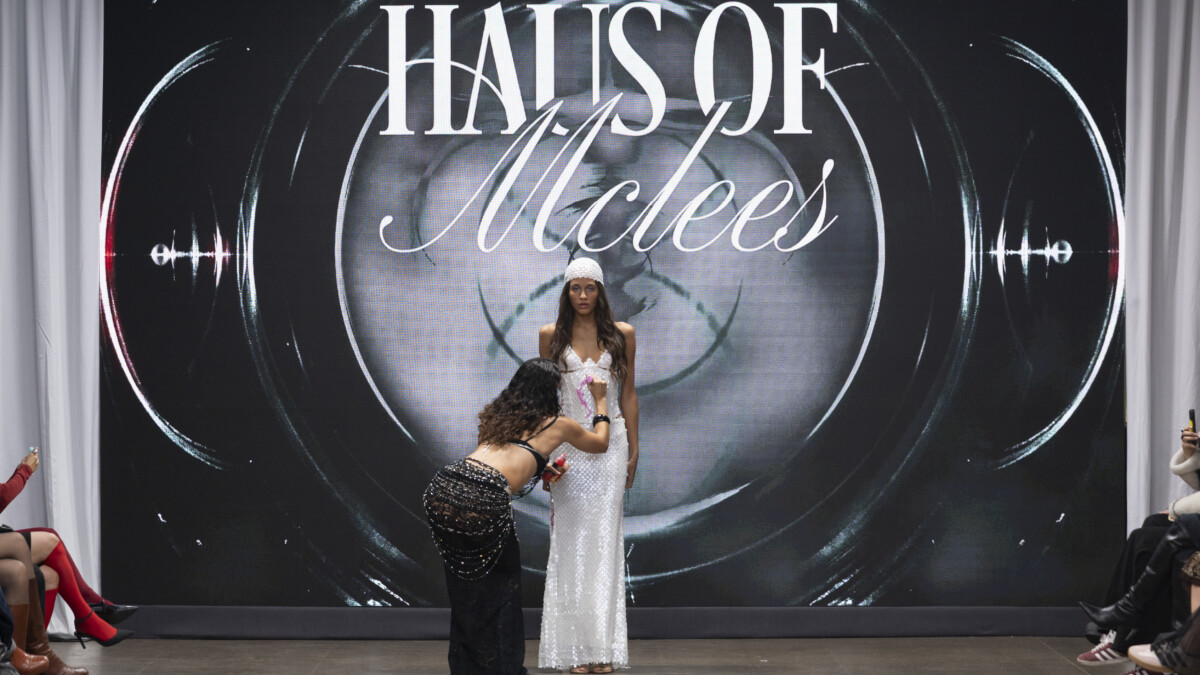
The Kong is Dead adoptss Lucio Fontana’s radical act of cutting through the canvas and translates it directly into garment construction, treating the first layer of every piece as something to open rather than complete.
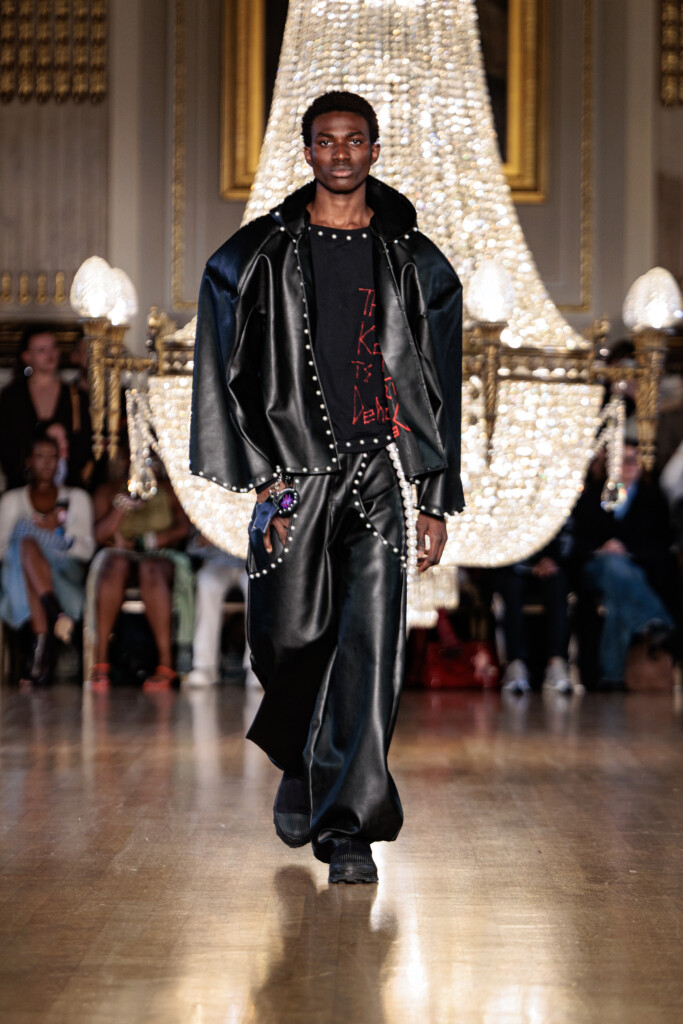
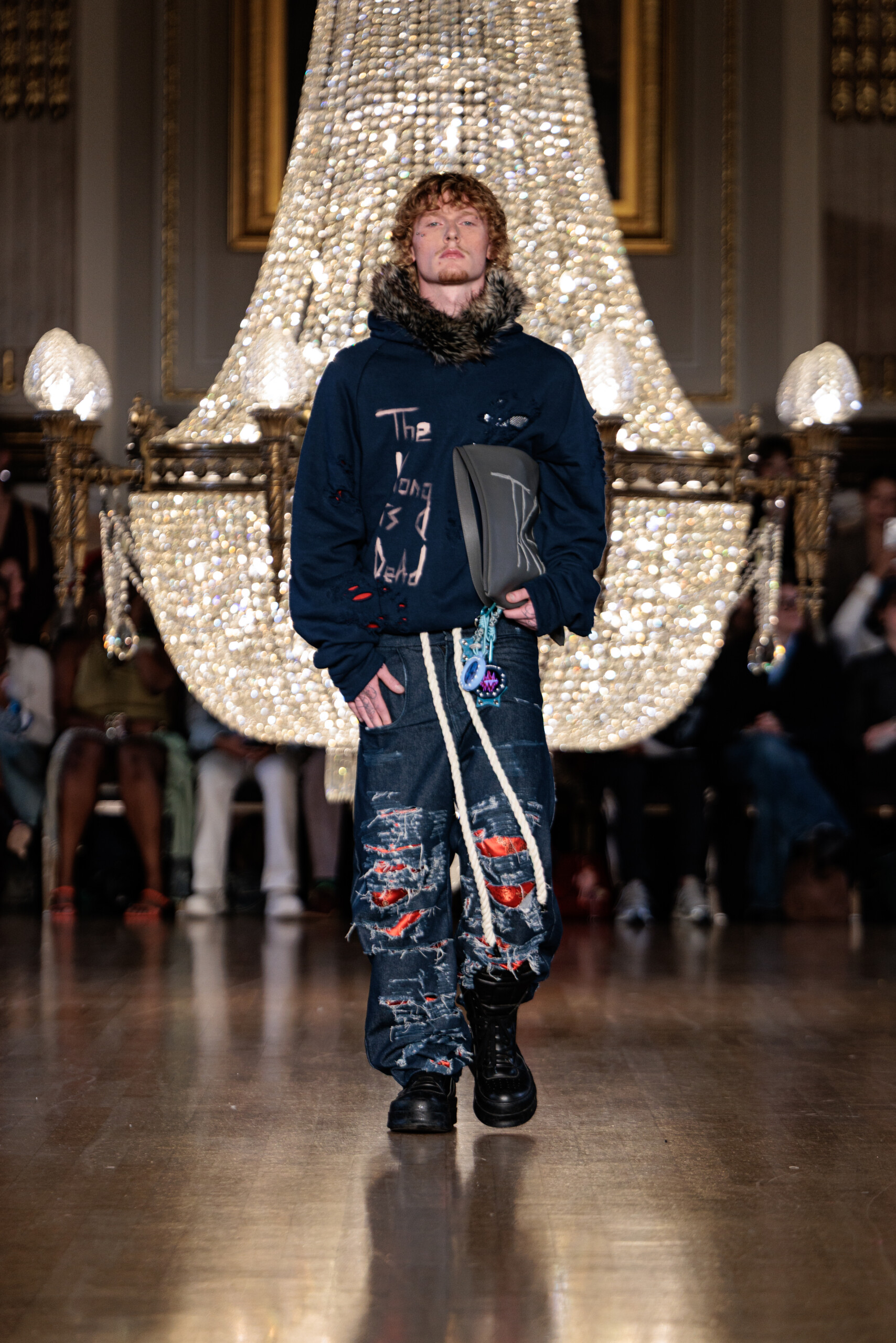
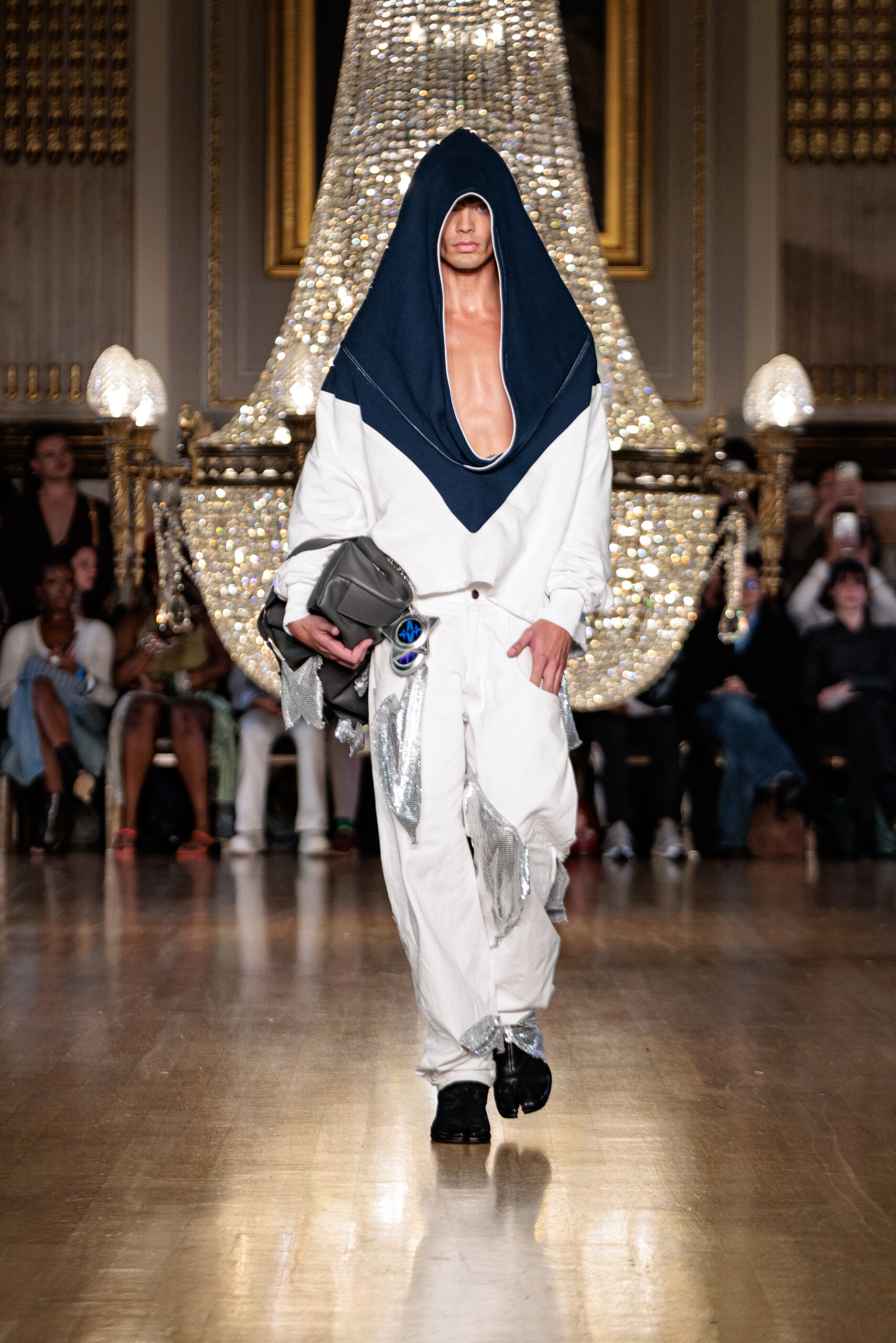
A logo branded through the back of a look, denim split to reveal red beneath, paint bleeding into fabric: each gesture keeps the garment slightly, deliberately unresolved.
Velespace extends this into the digital realm, introducing SPHERE 01’s circular display technology, which turns moving and still imagery into a live component of the look itself, shifting with the wearer rather than remaining static.
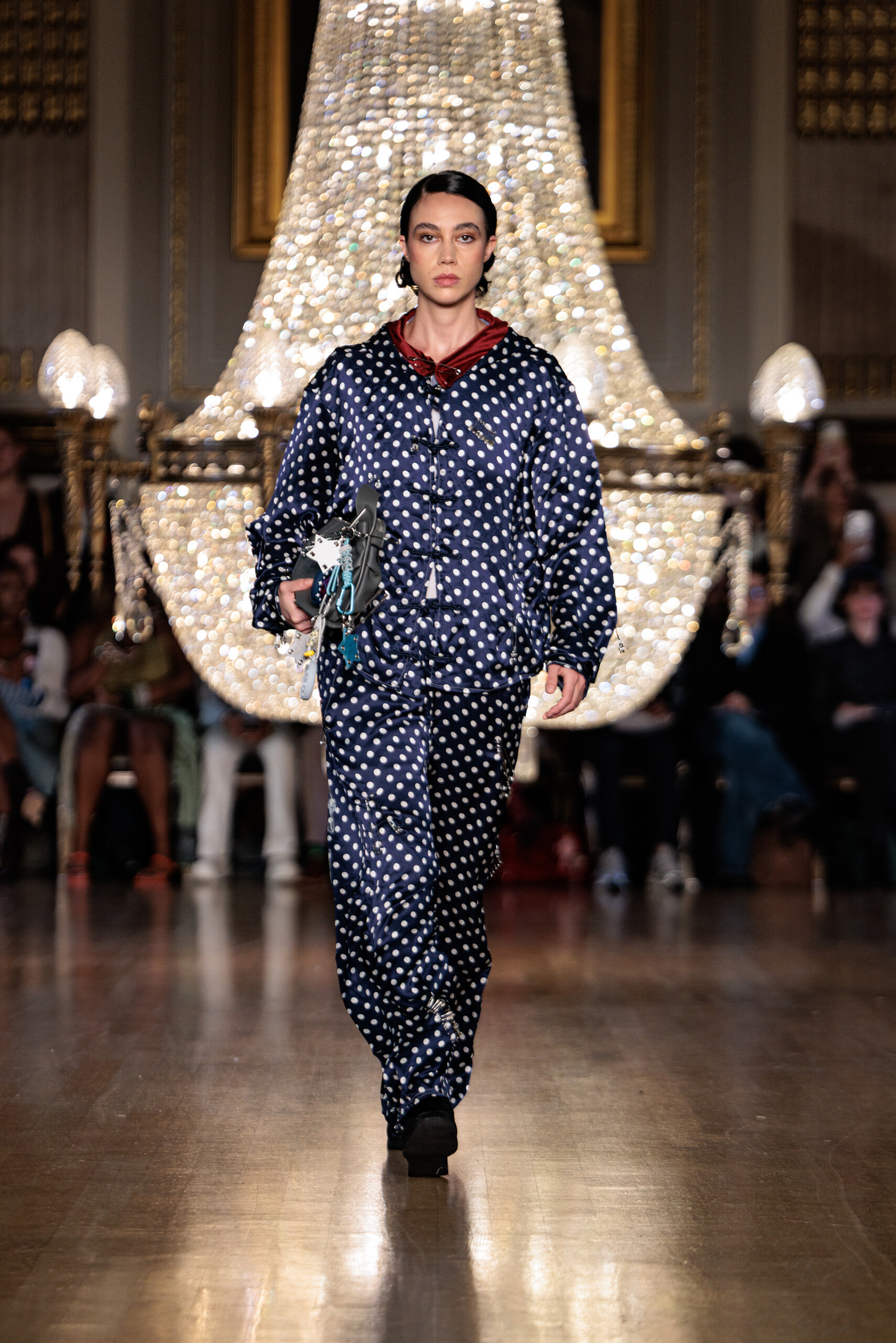
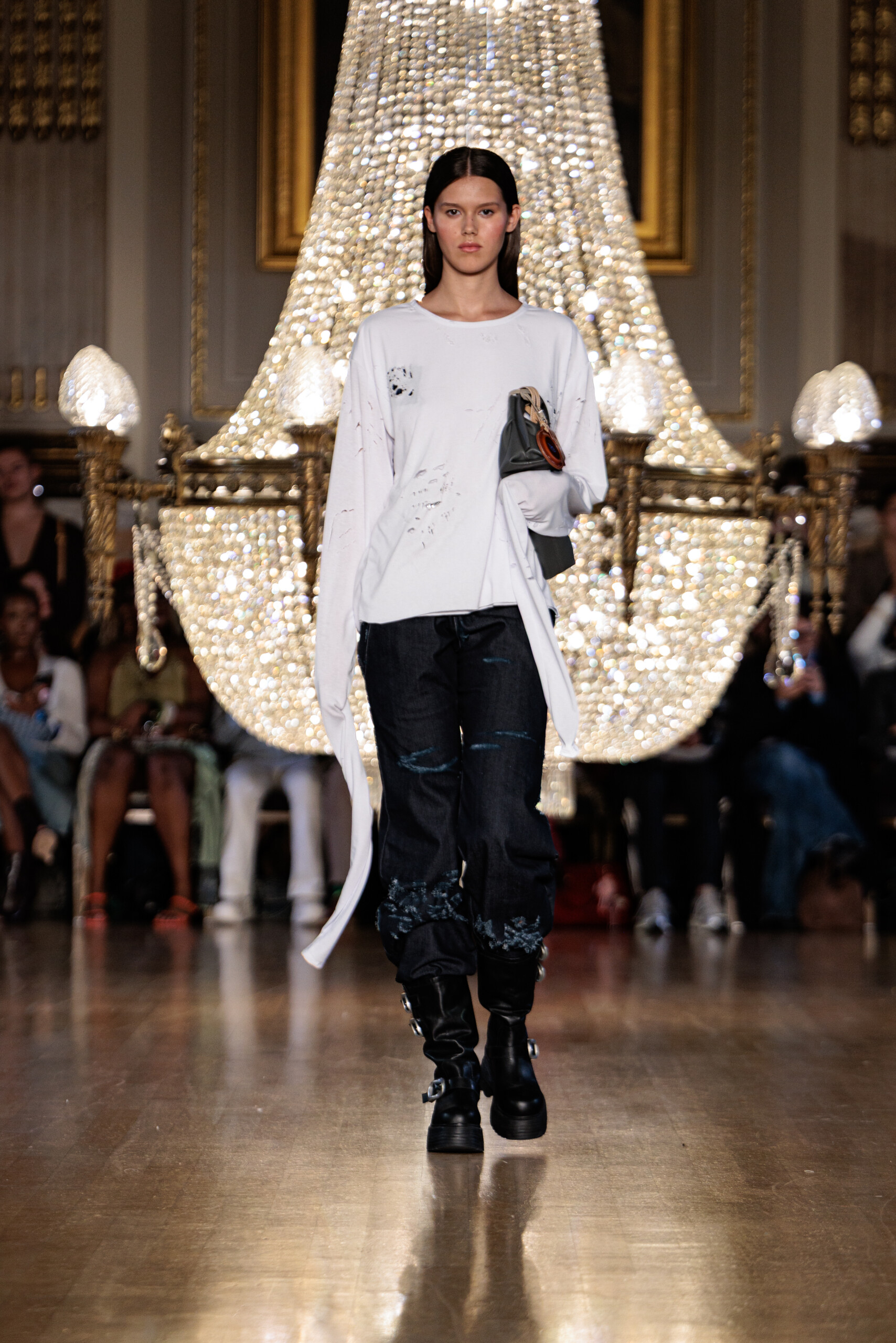
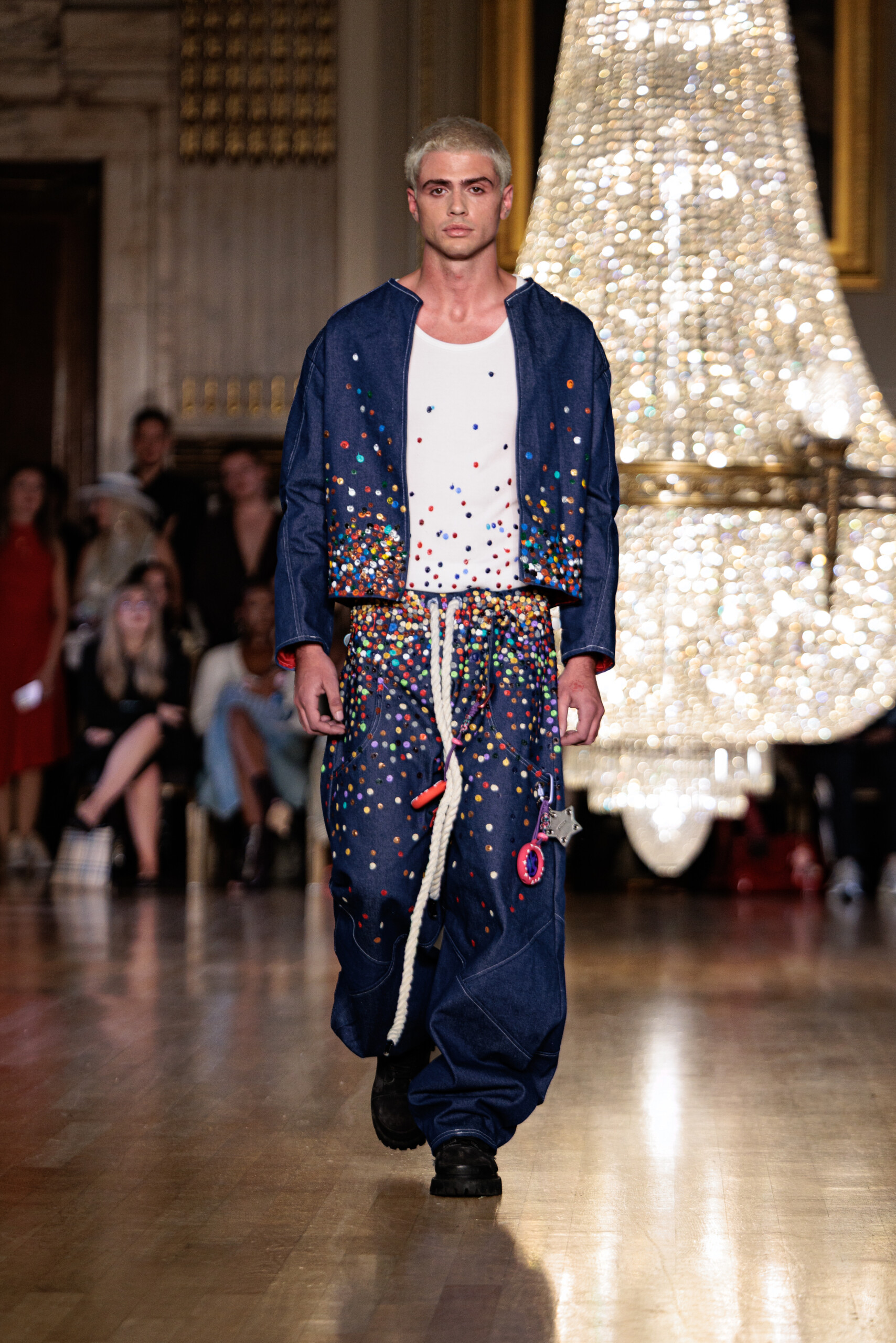
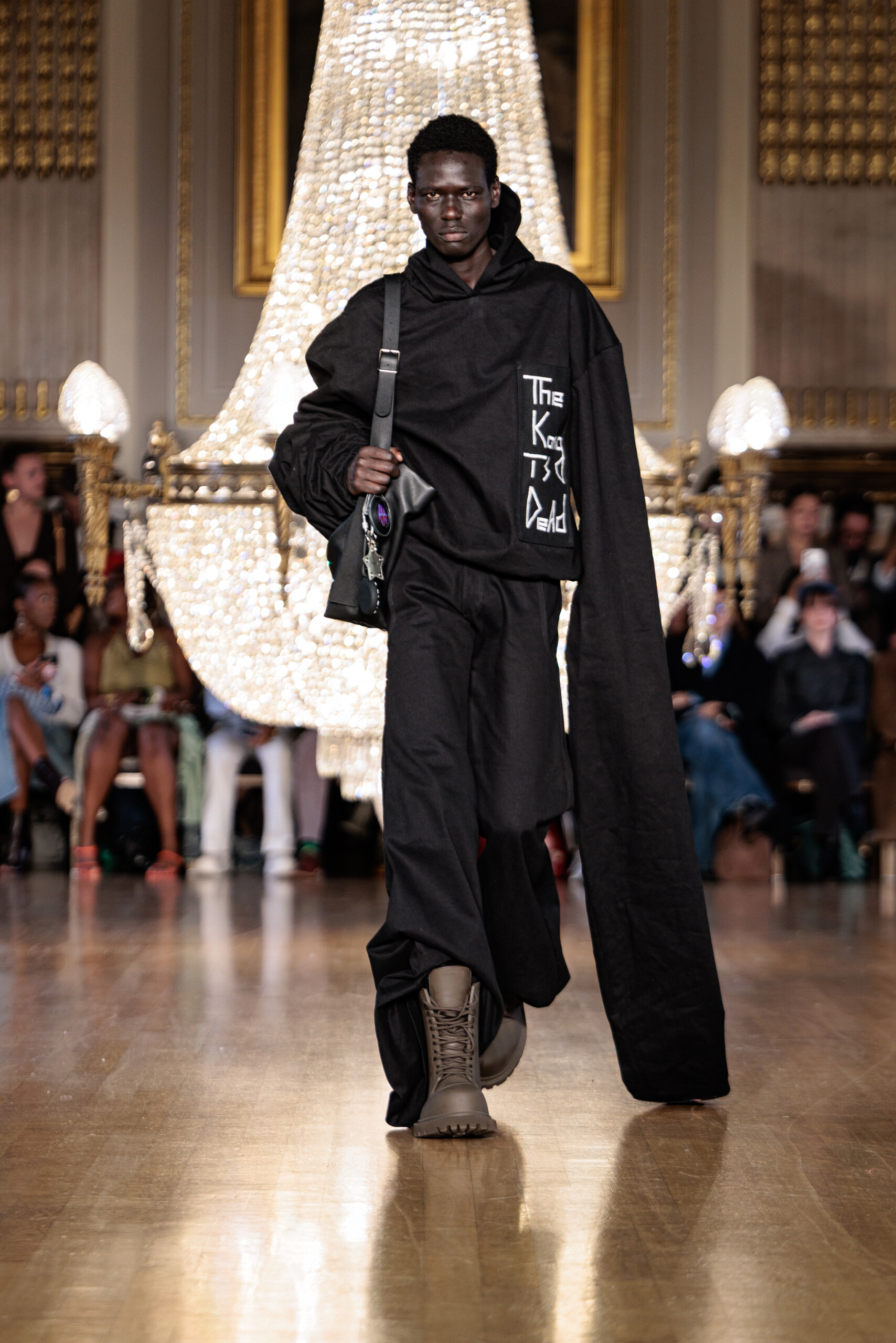
Together, the collaboration makes a coherent argument about surface and depth, asking what fashion can do once it is allowed to move beyond a fixed form.
TRASHY PLANETS // @trashyplanets
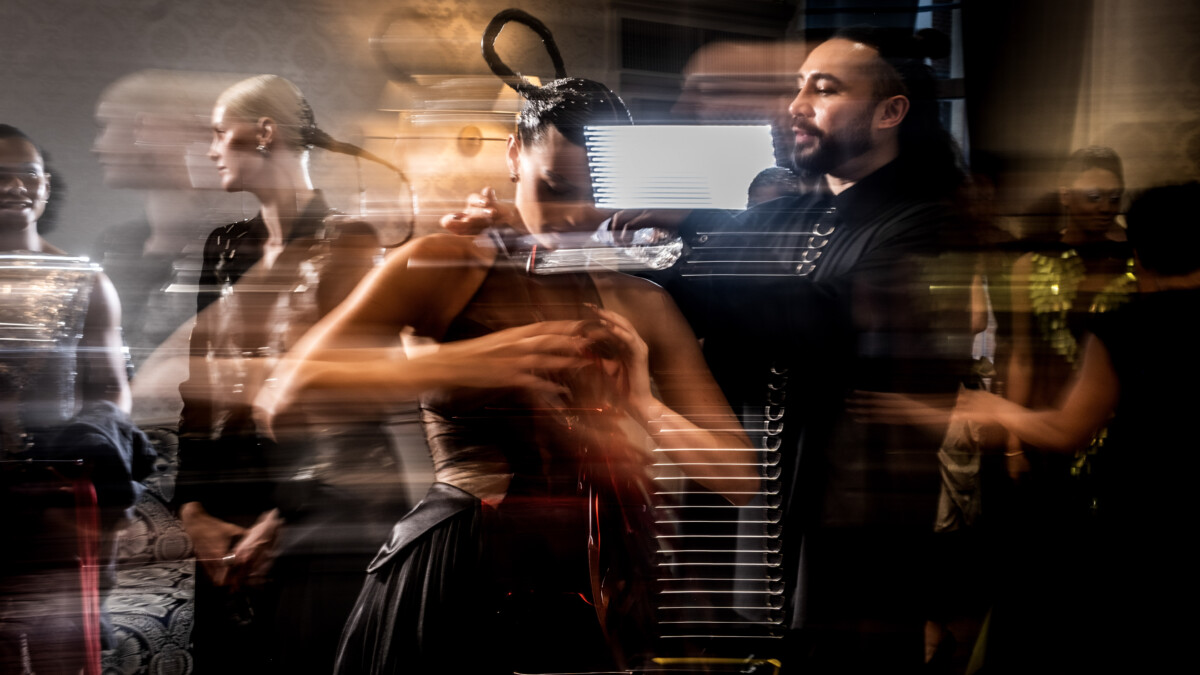
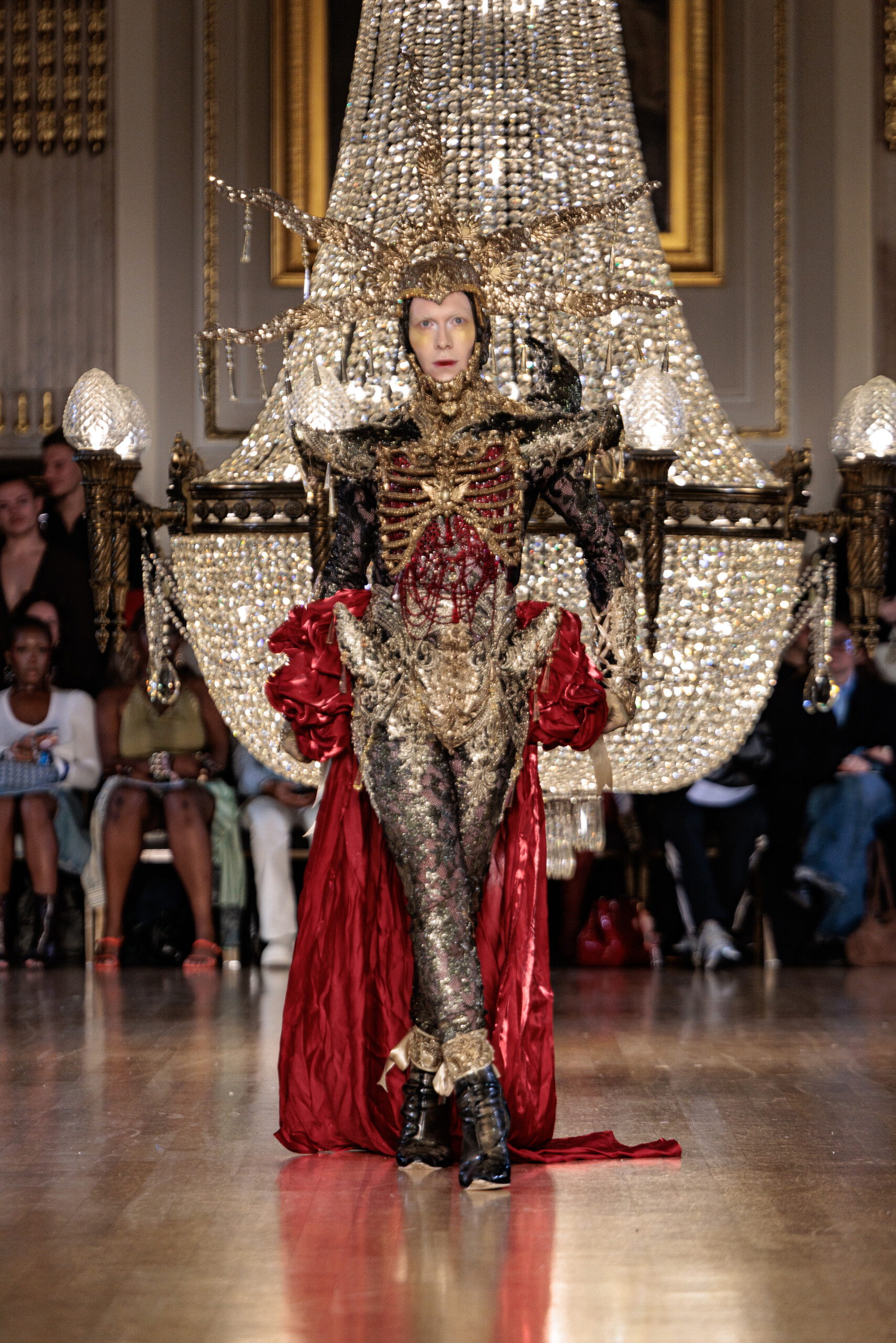
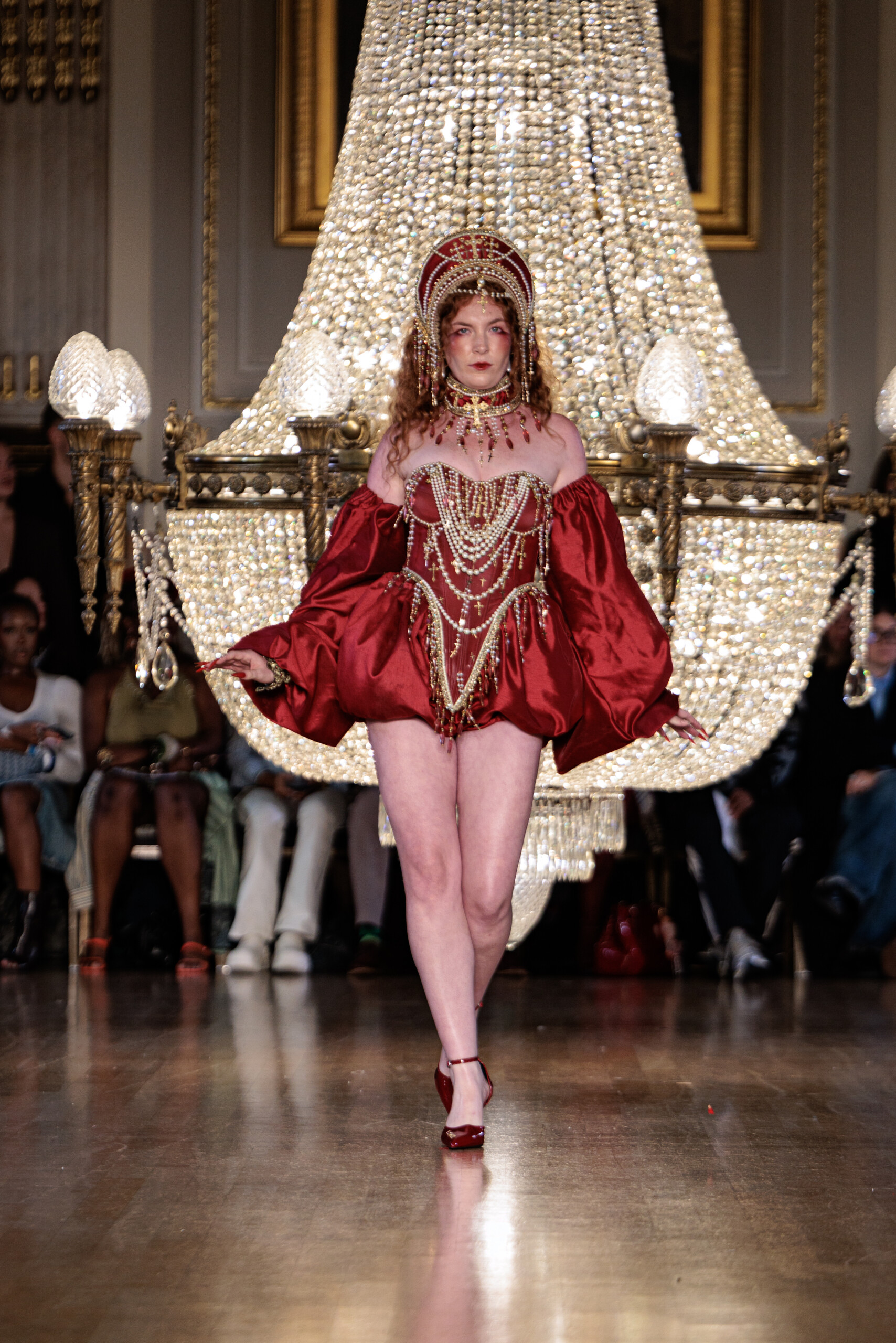
Self-taught designer Bambi Blue makes clothes the way theatre creates worlds: with complete commitment to immersion in a new reality.
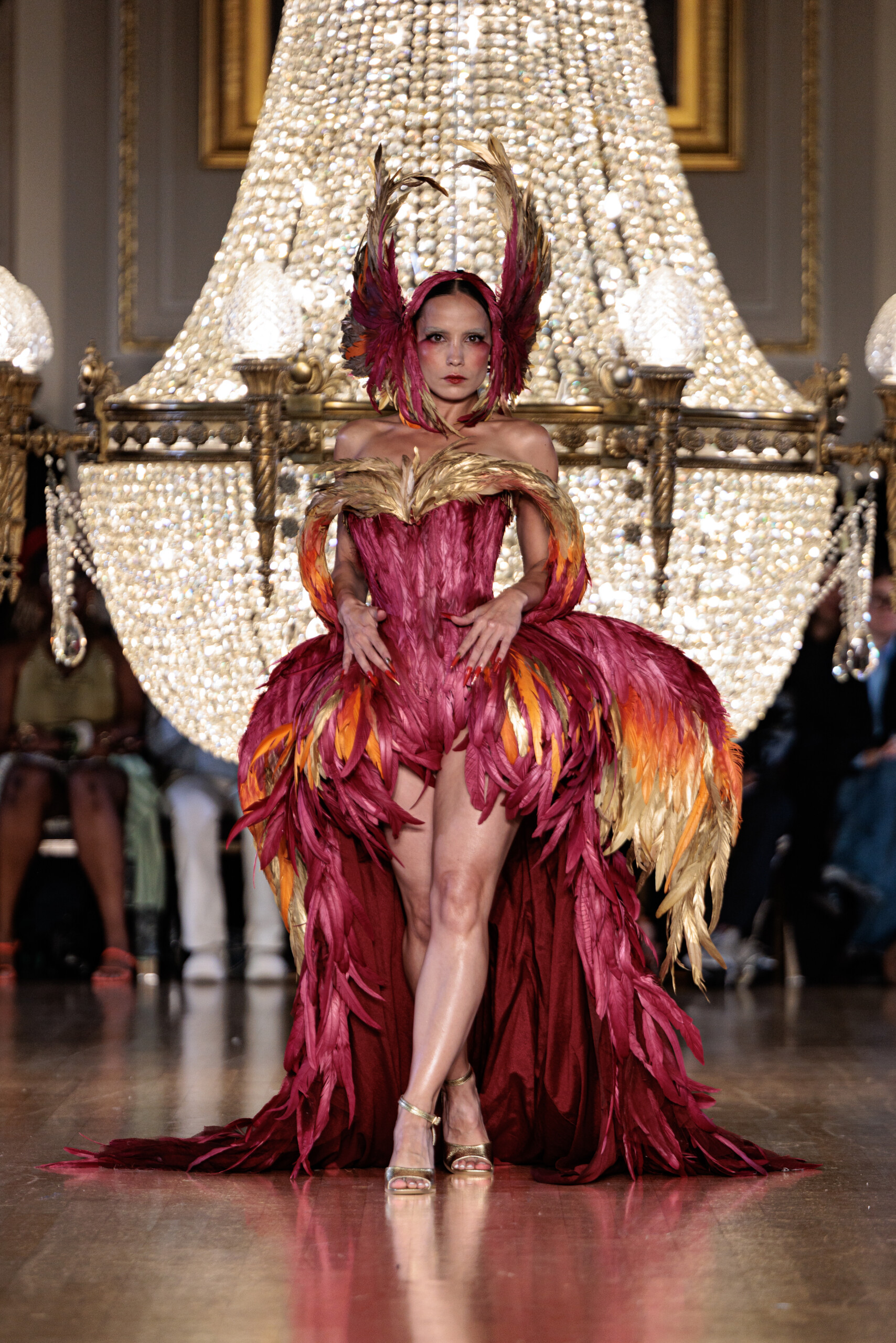
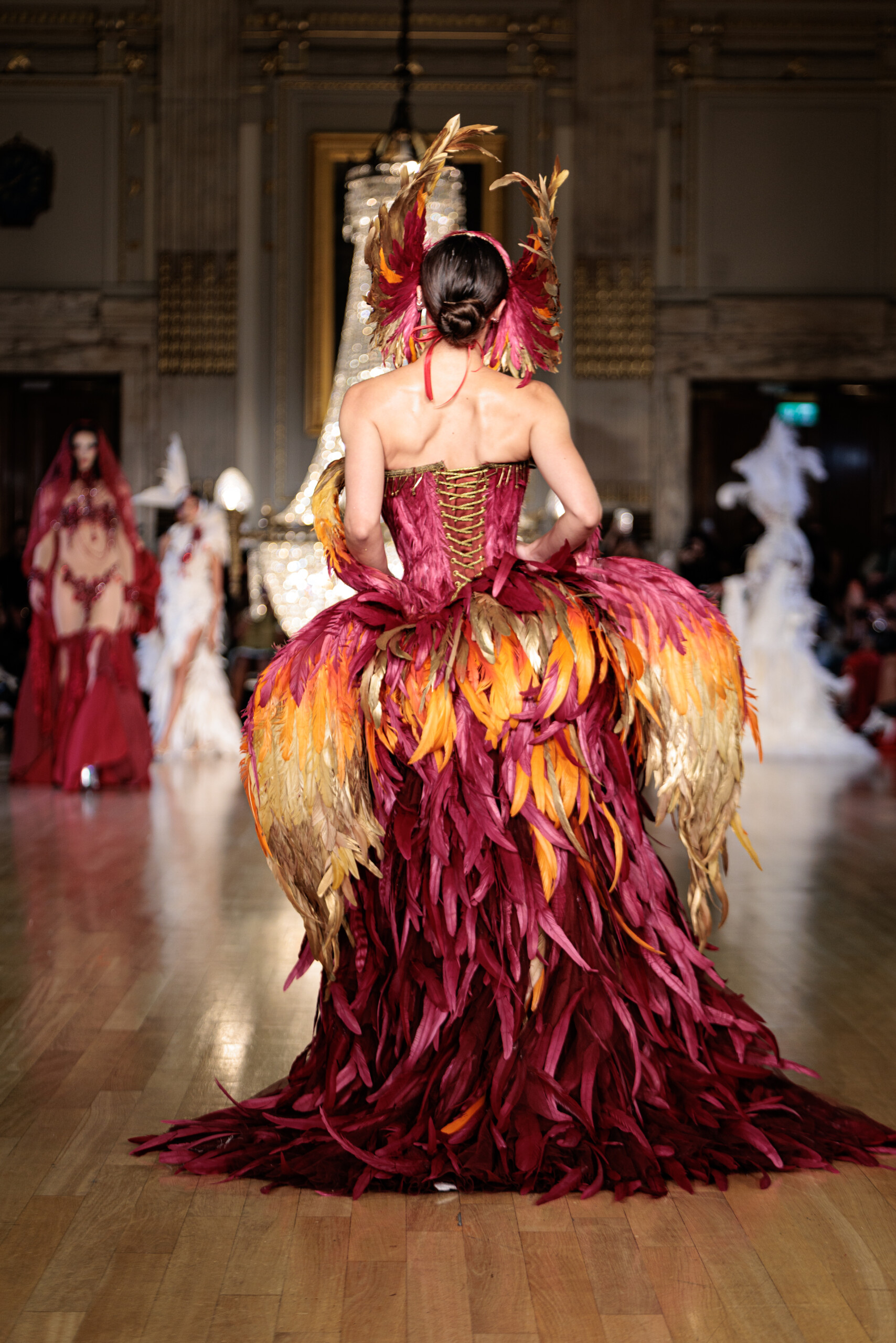
Ashes to Ashes draws on ancient royalty and mythological symbolism to build something that exists entirely on its own terms, dramatic in scale, intricate in execution, and uninterested in the kind of wearability that tends to make fashion safe and forgettable.
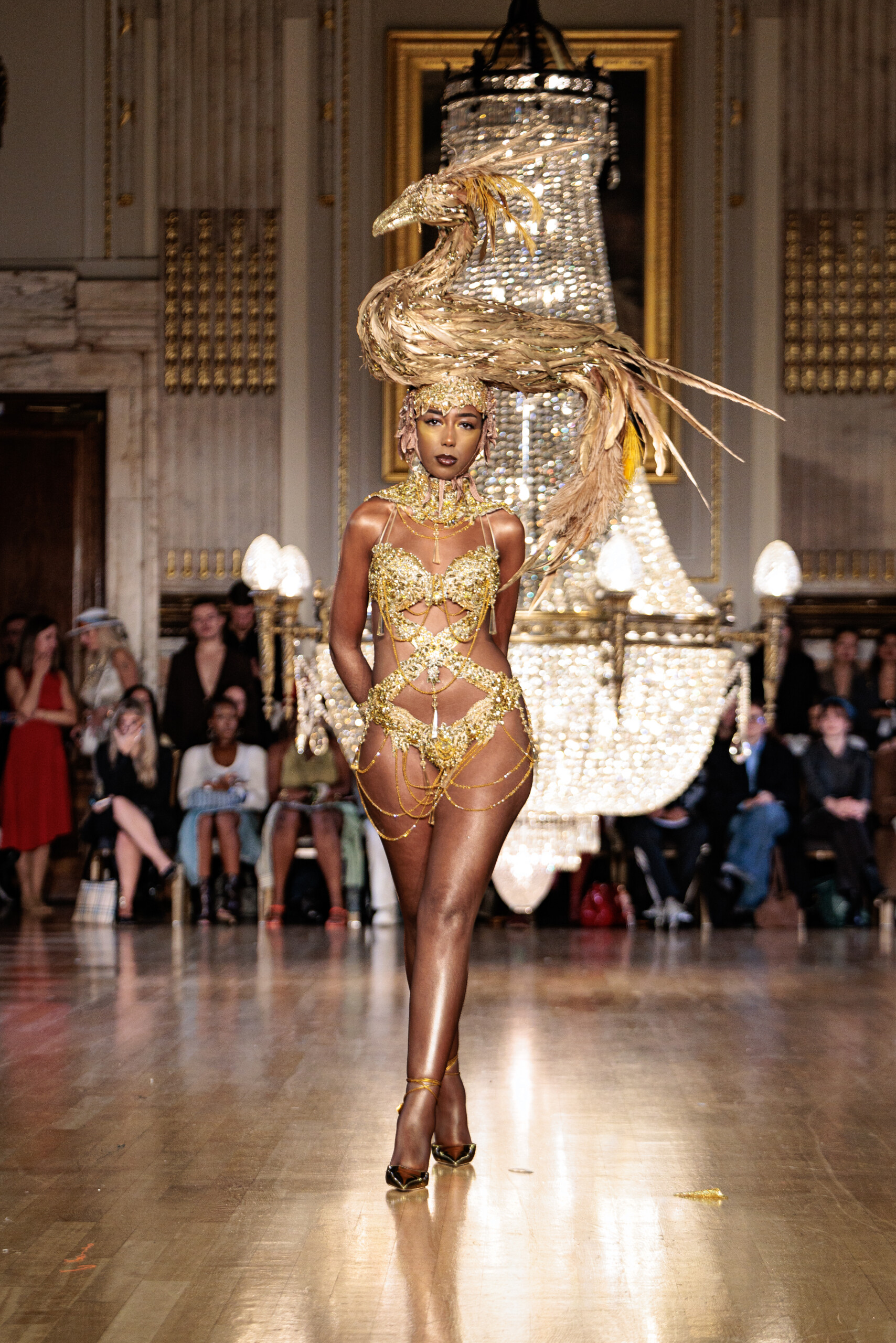
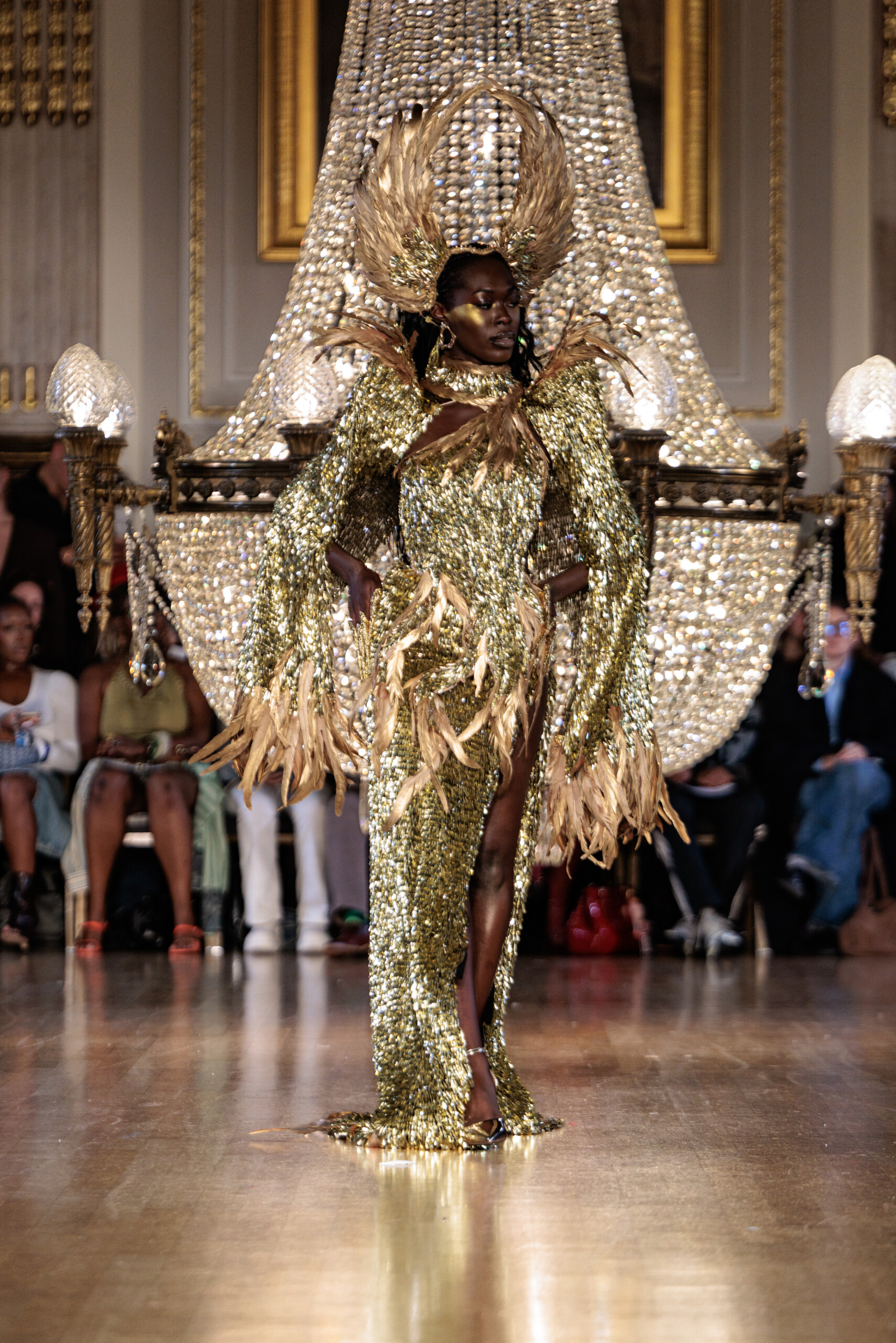
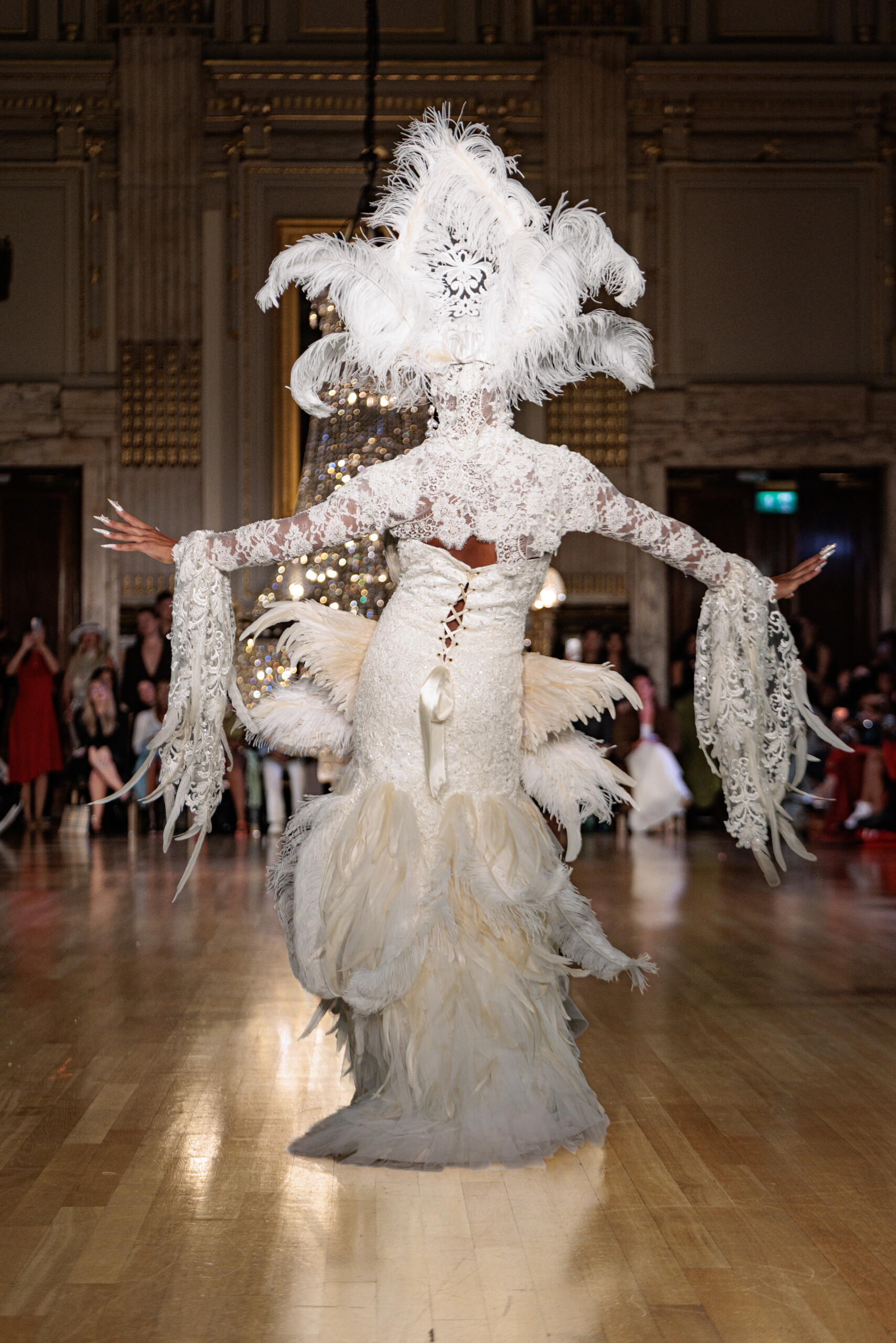
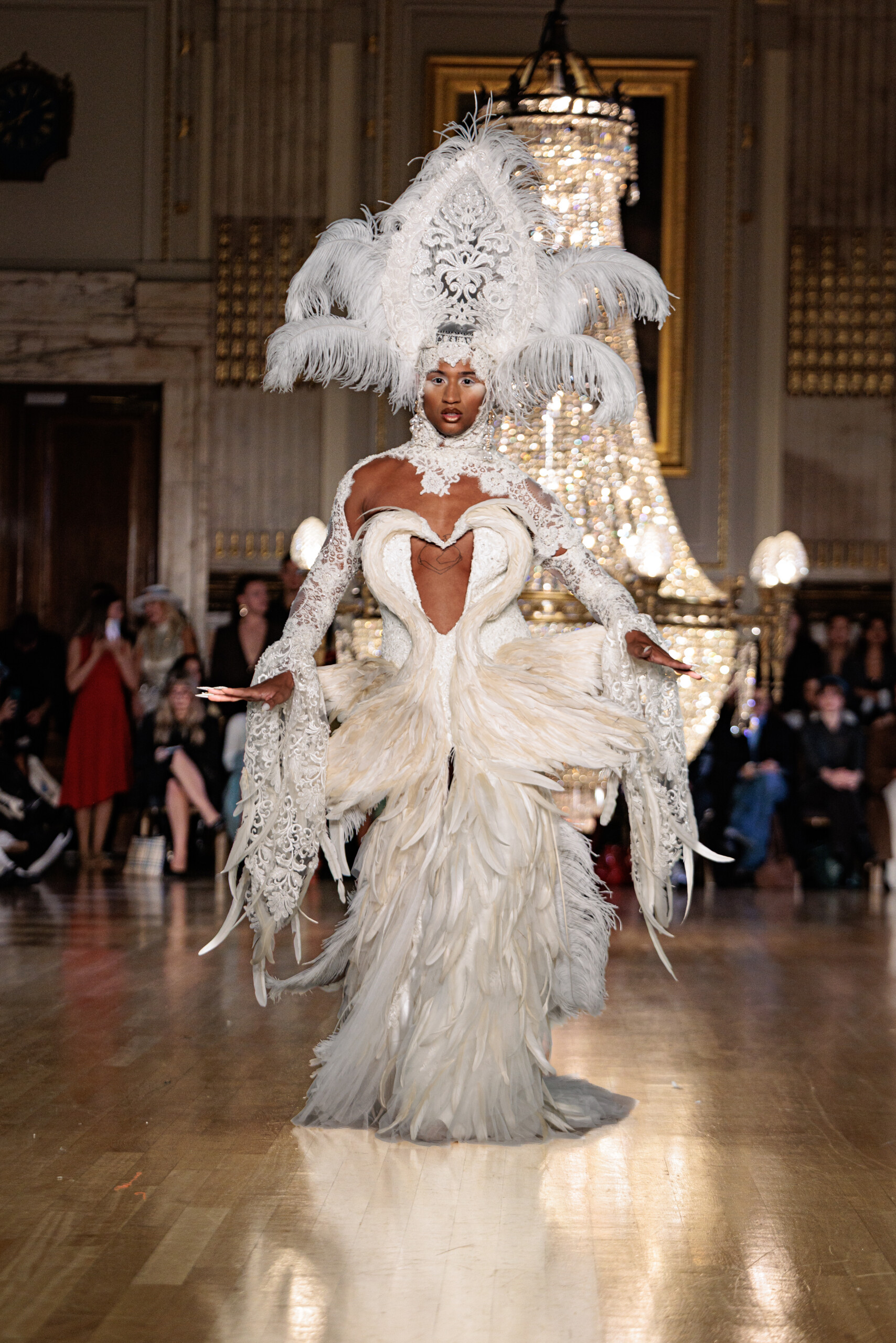
Feathered details, sculptural silhouettes and rich embellishment evoke ceremony and ritual, a world where beauty rises specifically from destruction, where the discarded and the overlooked become the material for something magnificent. Every piece is made by hand and an unapologetic theatricality – and in a room filled with bright lights, the magnificence of this collection shone even brighter.
UNE ENFANT // @uneenfant_official
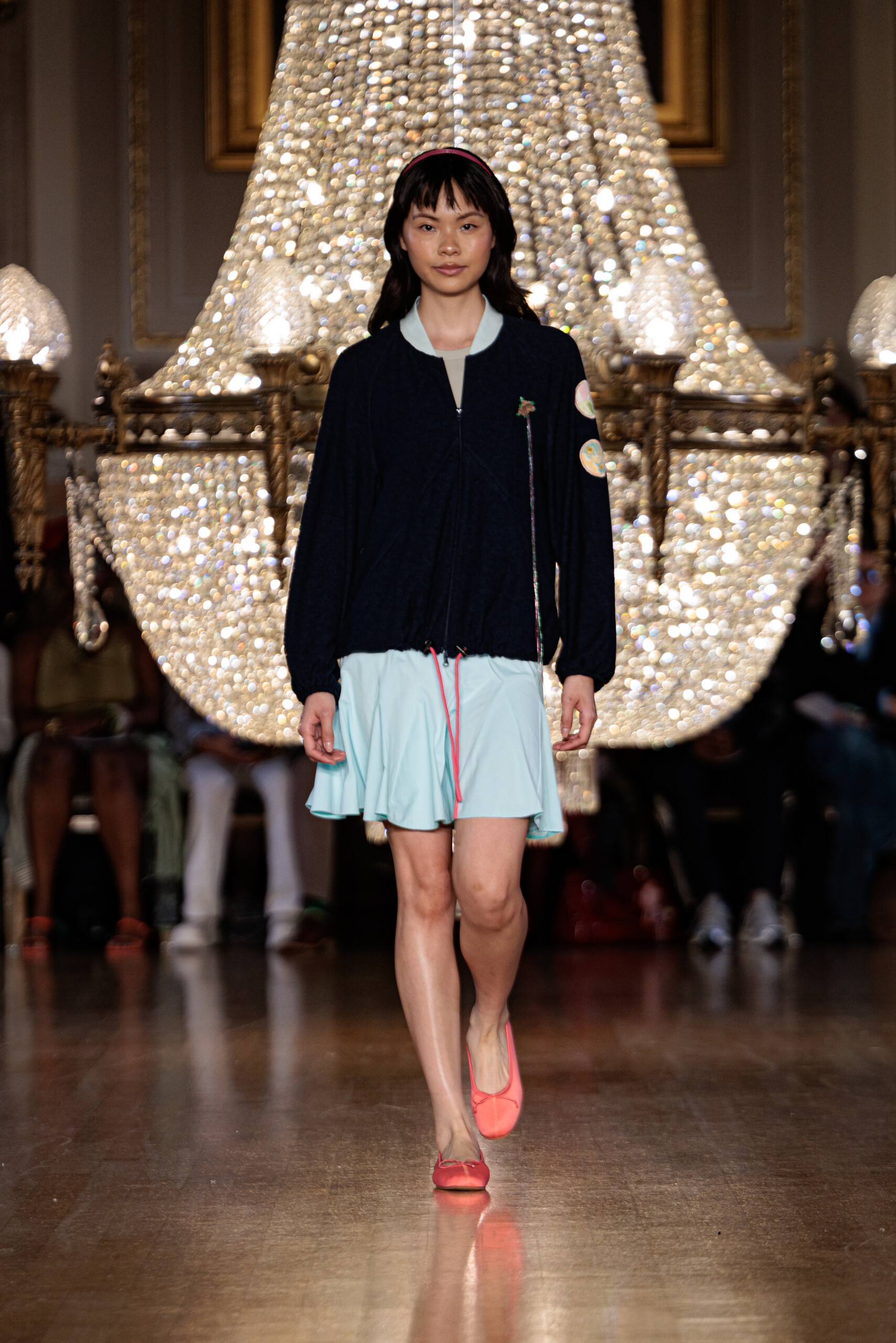
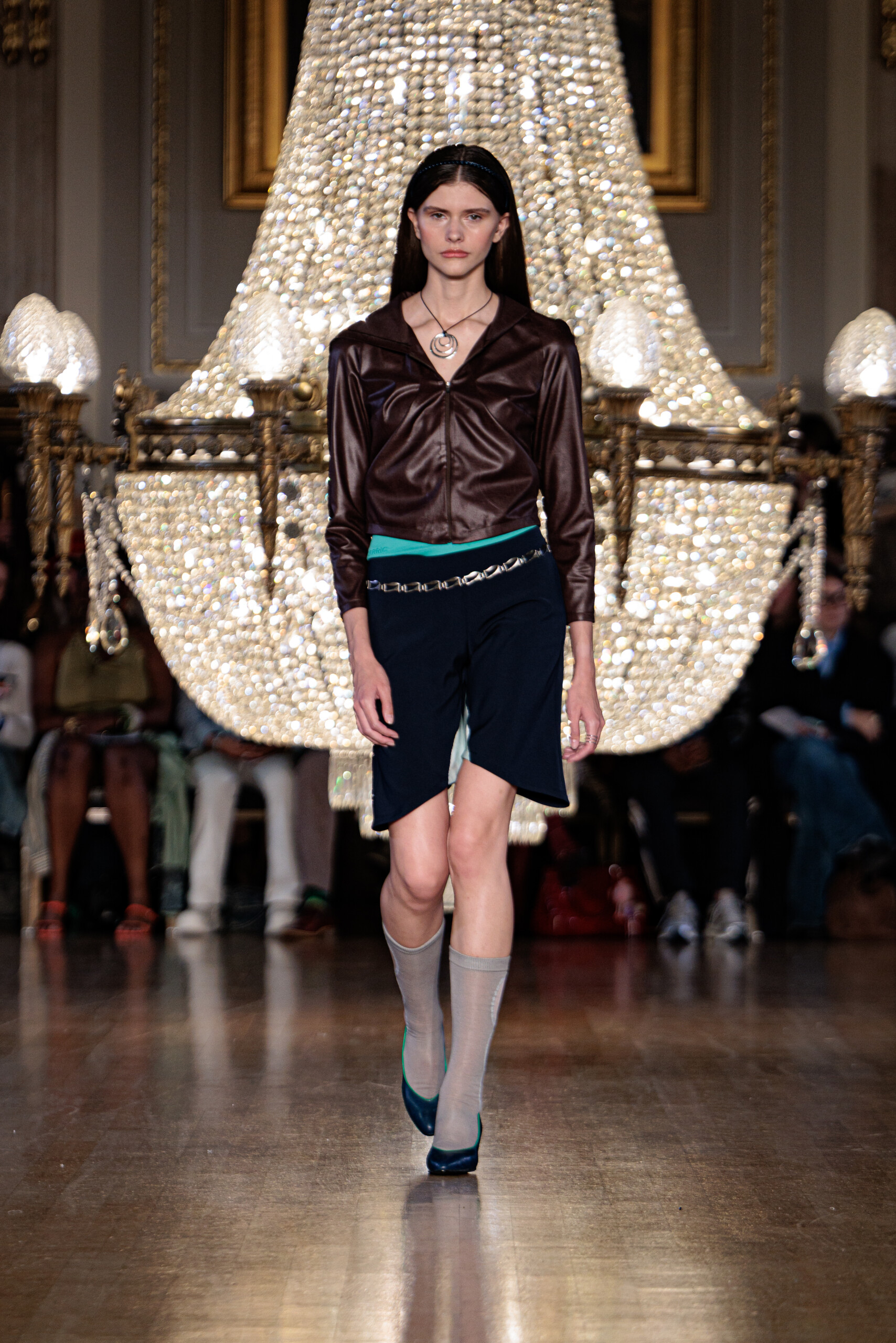
Founded only last year, Une Enfant arrives at London Fashion Week with a clearer sense of its own aesthetic language than many labels manage across several seasons.
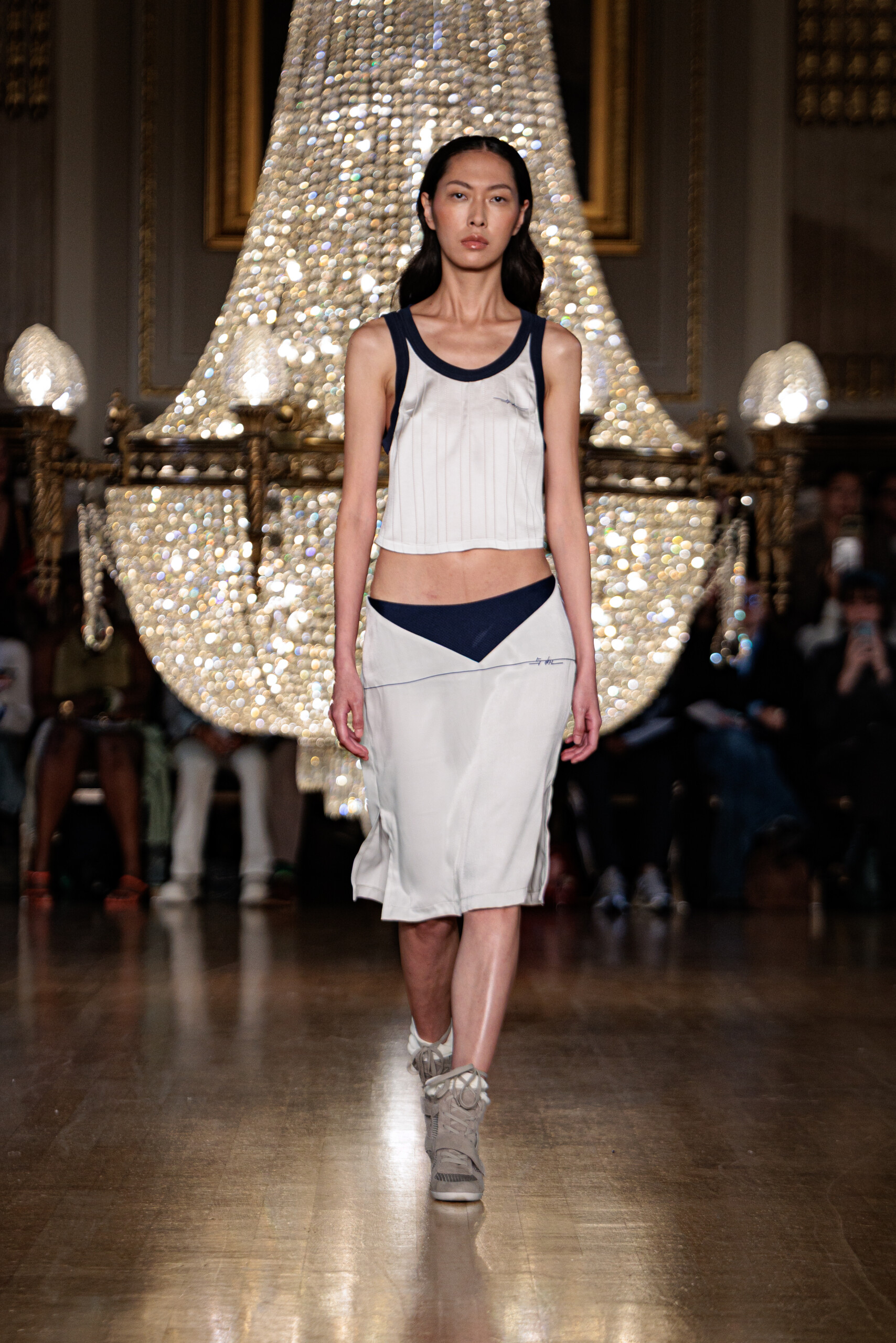
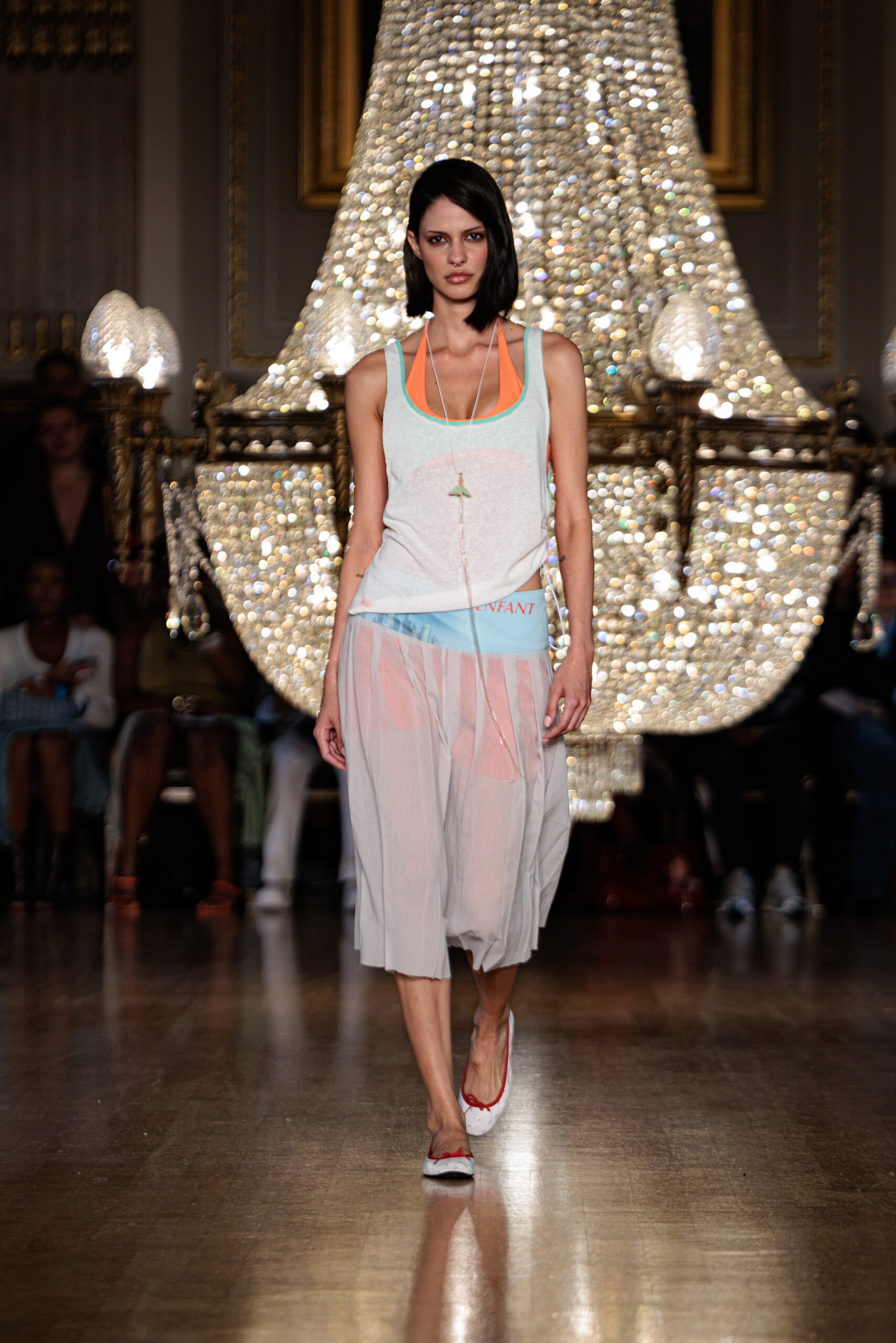
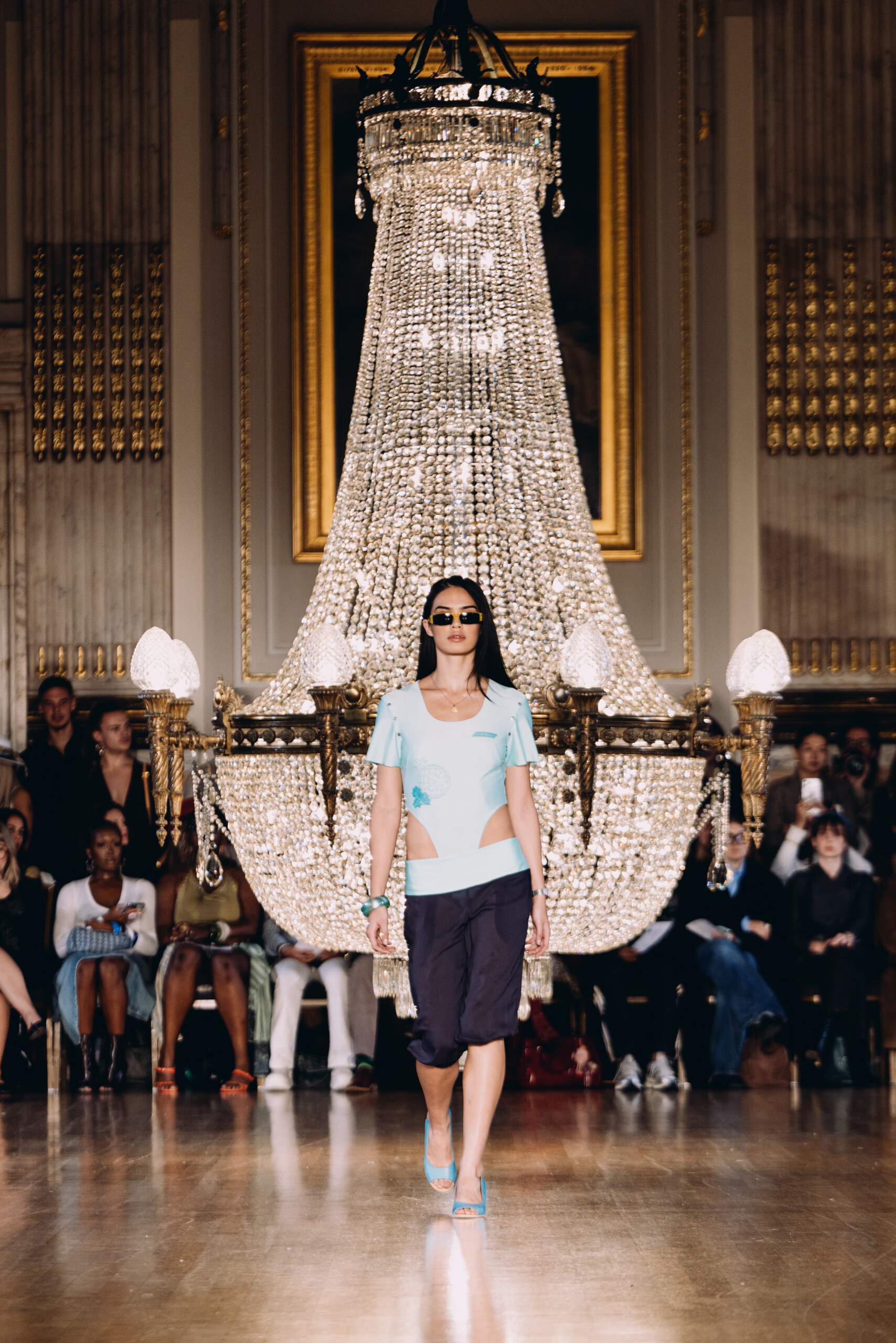
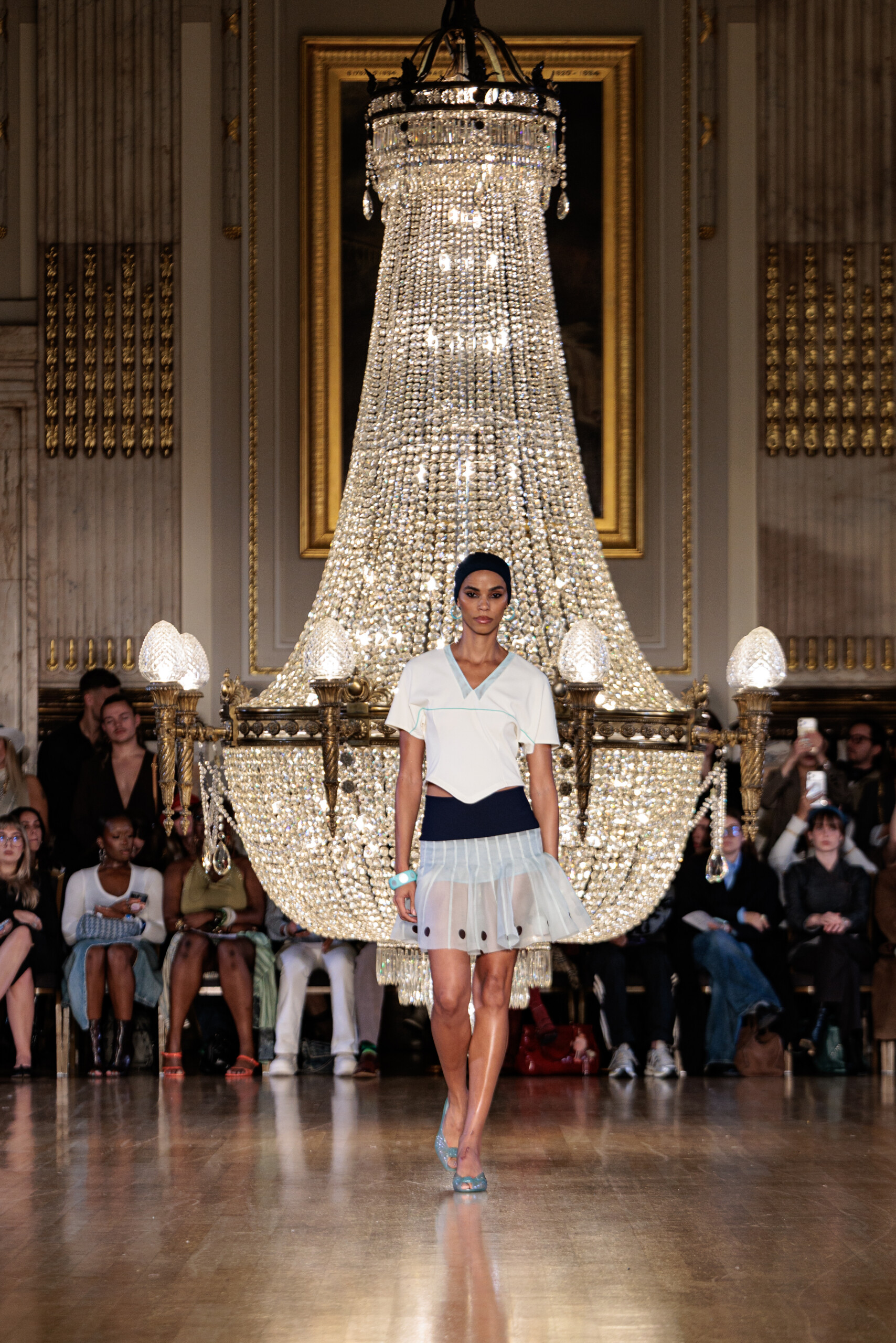
The collection’s relationship to the early 2000s is not straightforwardly nostalgic: rather than recreating that decade’s actual clothes, the label revisits its imagined future, the optimism and futuristic ambition that defined the era’s visual culture, and asks what became of it.
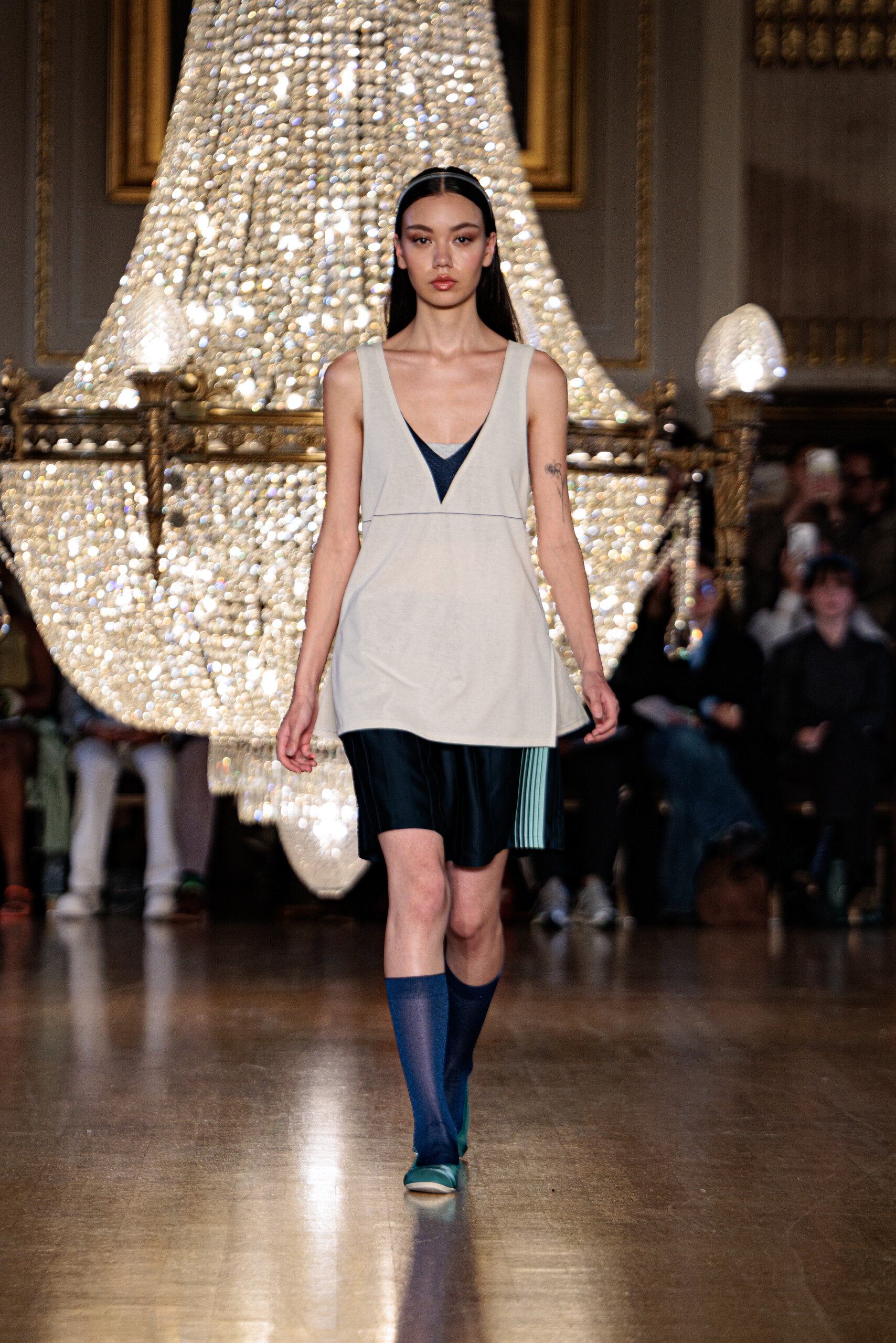
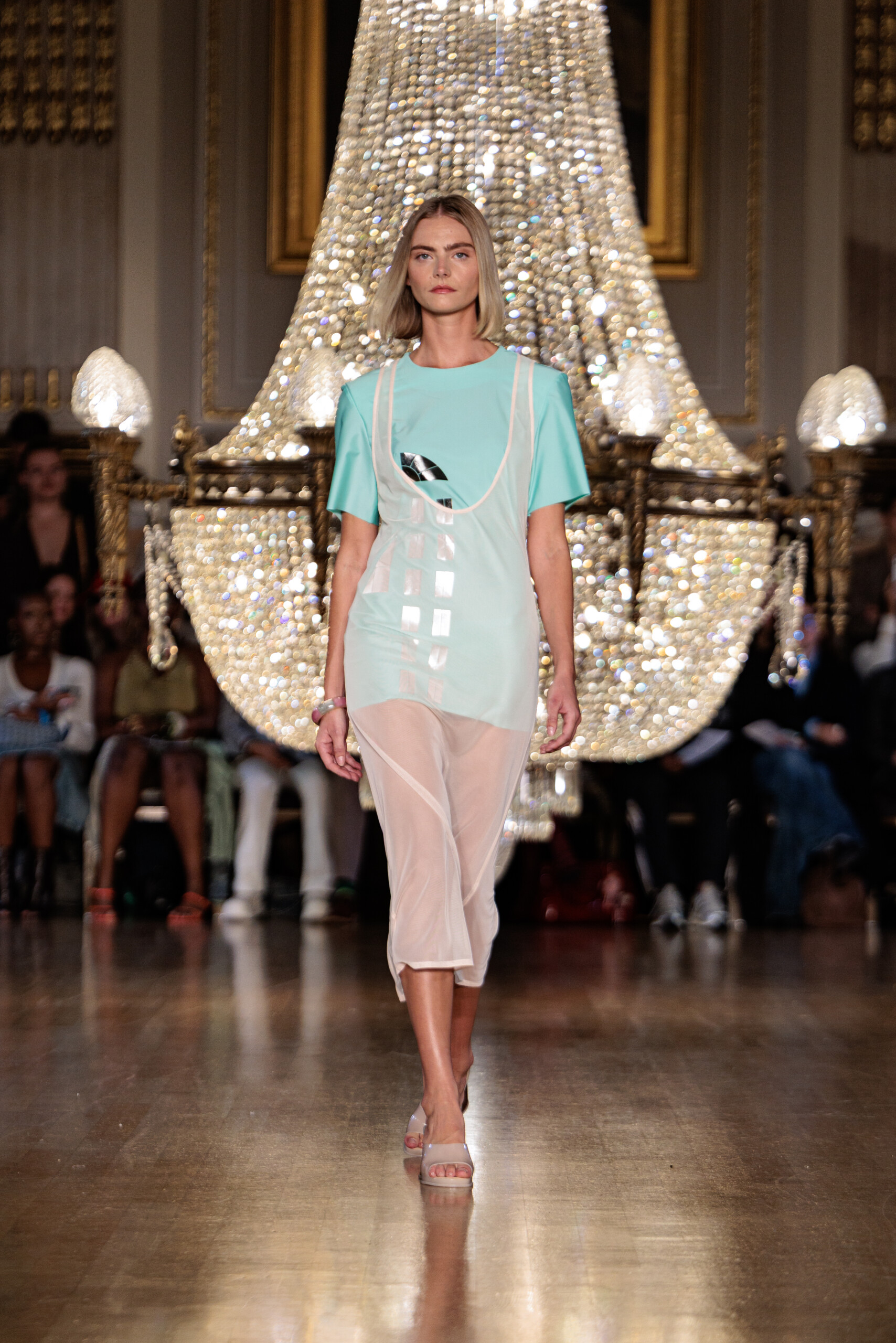
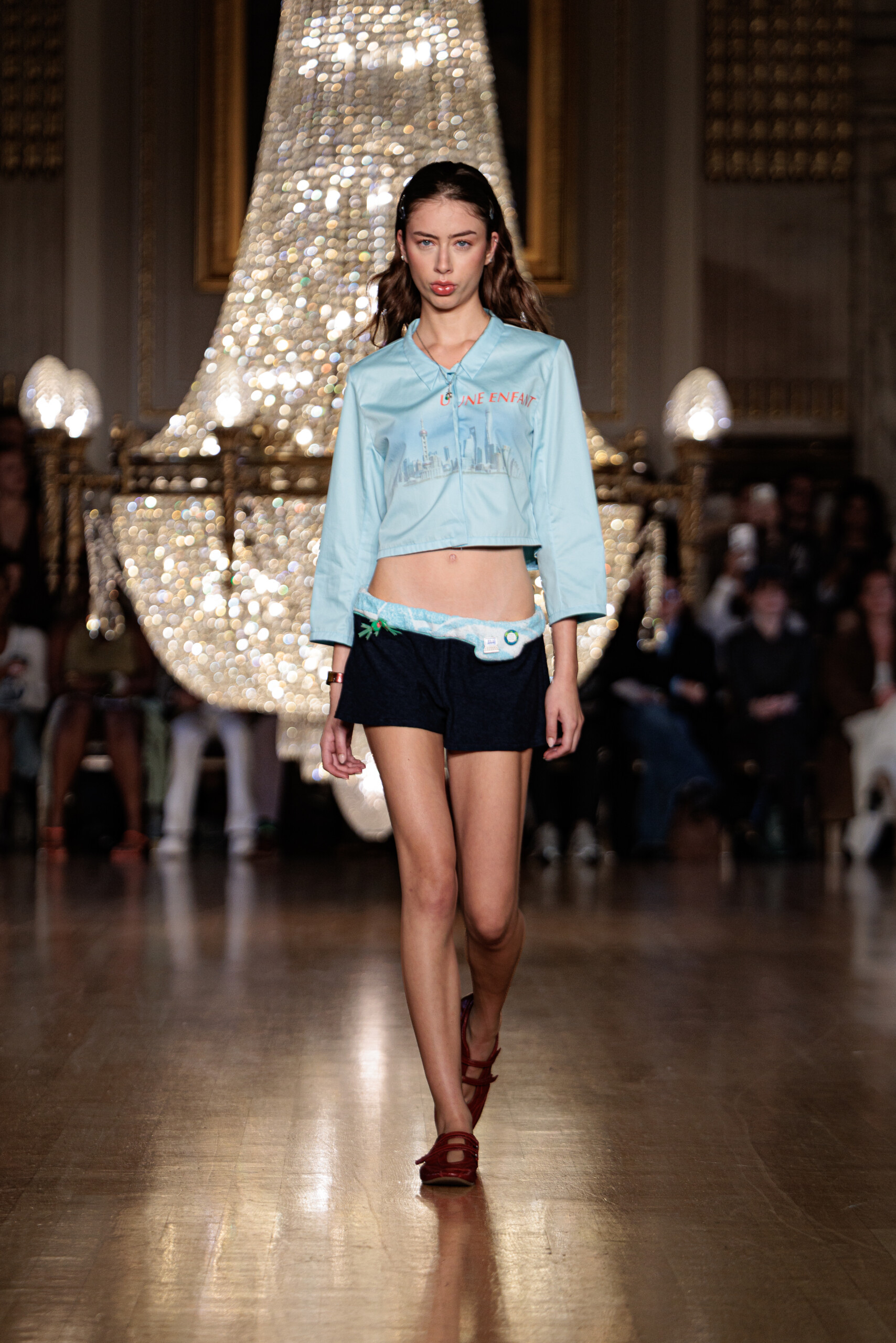
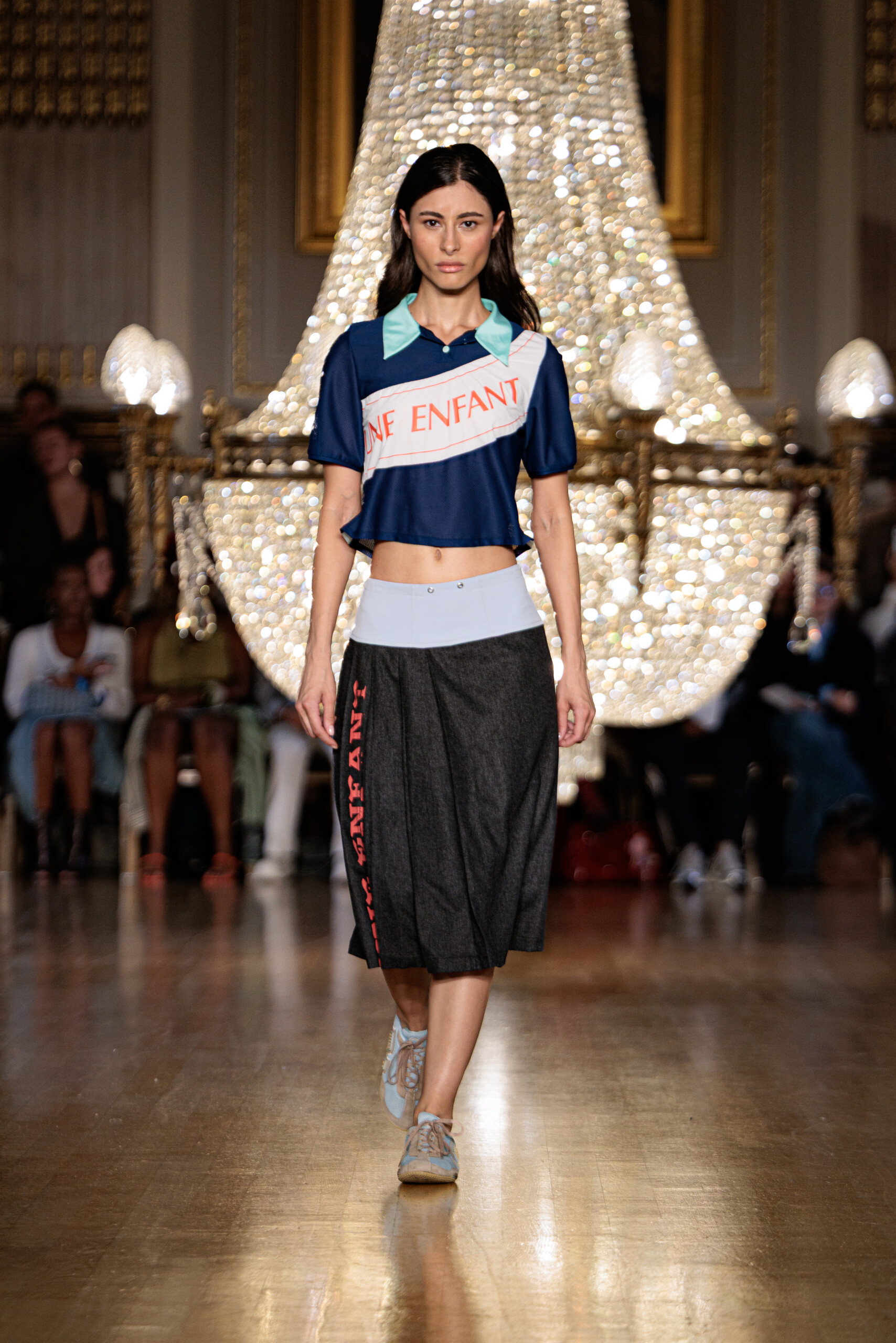
Clean silhouettes with subtle futuristic detailing and a cool urban palette produce a wardrobe that feels simultaneously familiar and forward-looking, memory translated into form rather than simply reproduced.
GASHANI // @gashanii
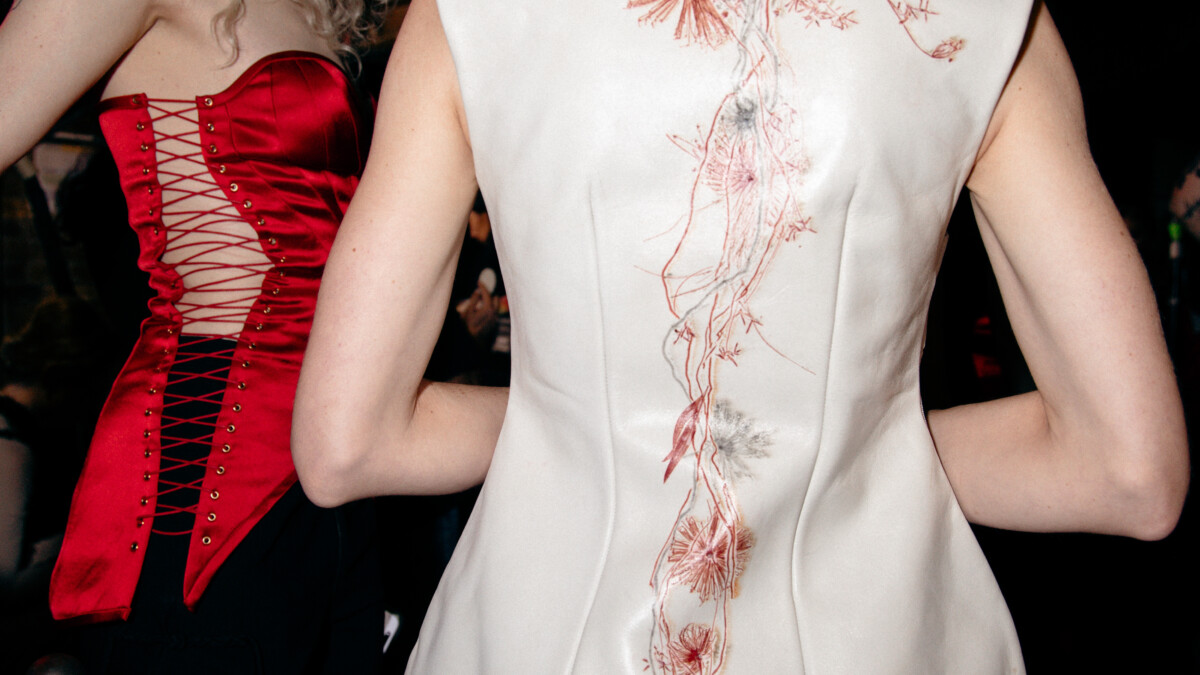
The meticulous craftsmanship throughout The Golden Hour matches the exceptional ambition of capturing the poetry of emotions and nature.
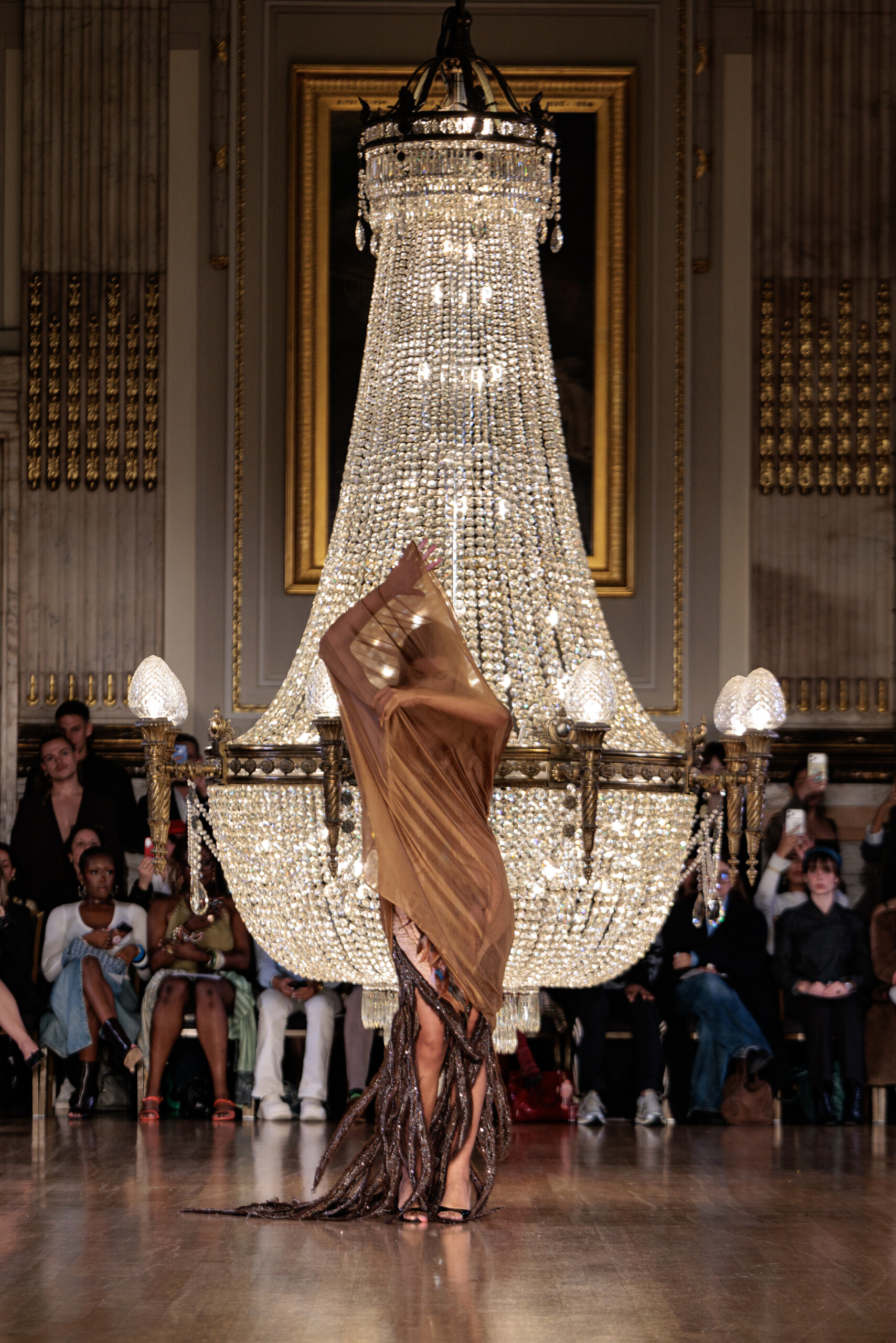
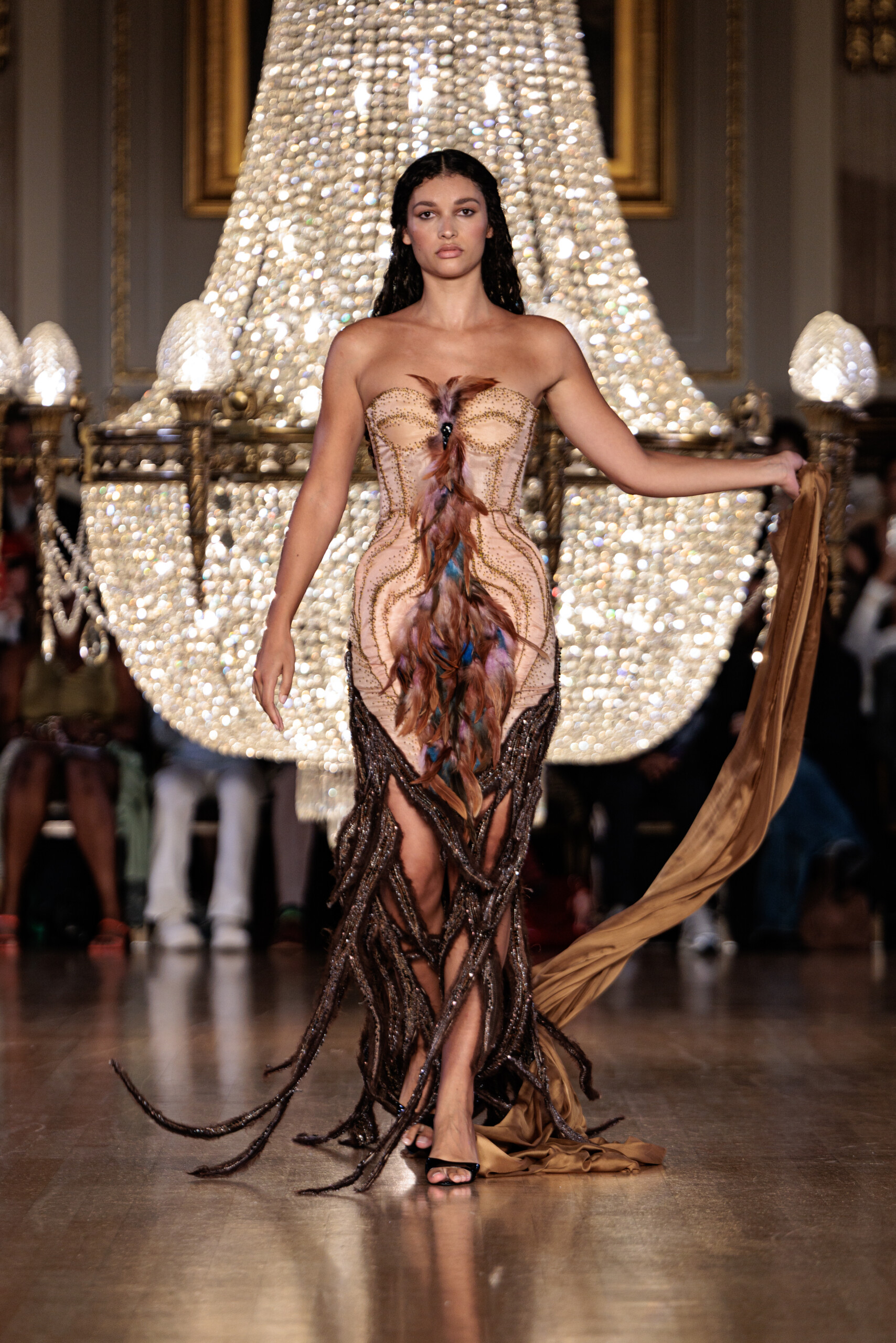
Sculpted corsetry and delicate beadwork give way to butterfly-inspired silhouettes and fluid oceanic forms, the collection moving through a deliberate sequence from earth to sky, weight to weightlessness.
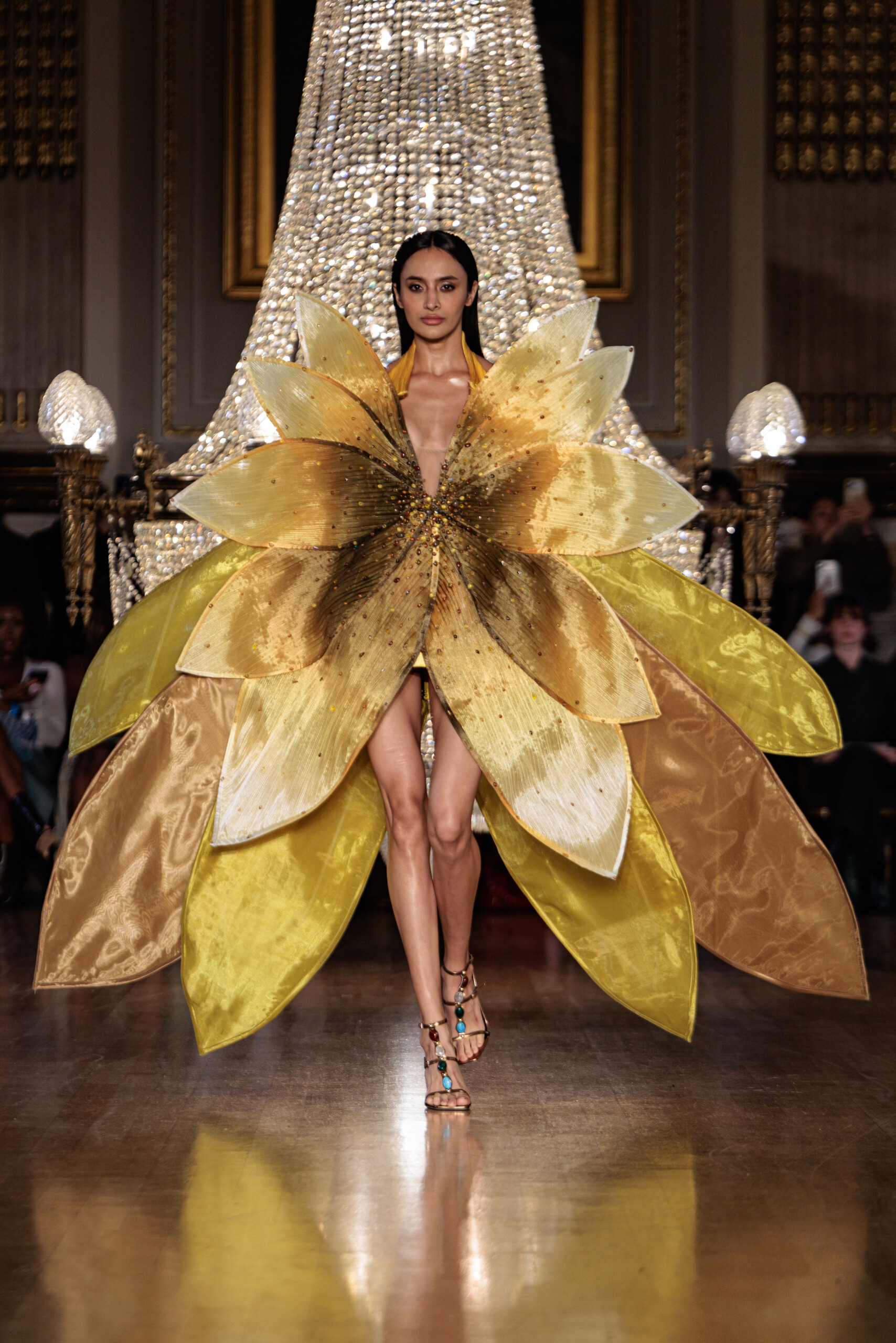
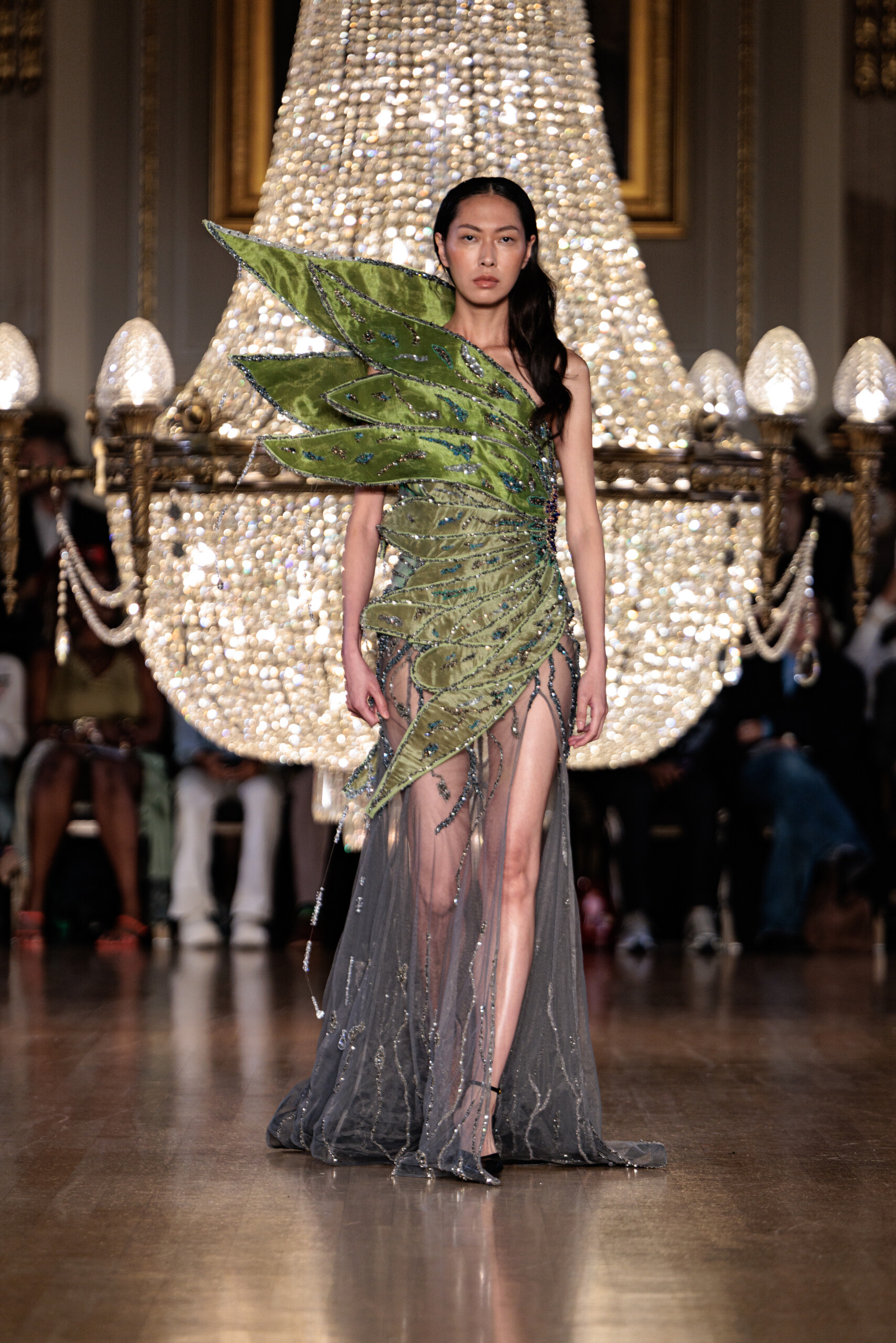
Blooming petals follow a sunlight sky, capturing the eternal connection between earth and sky, flight and grounding, sunrise and sunset. A chiffon gown painted in the colours of the golden-hour horizon closes the journey.
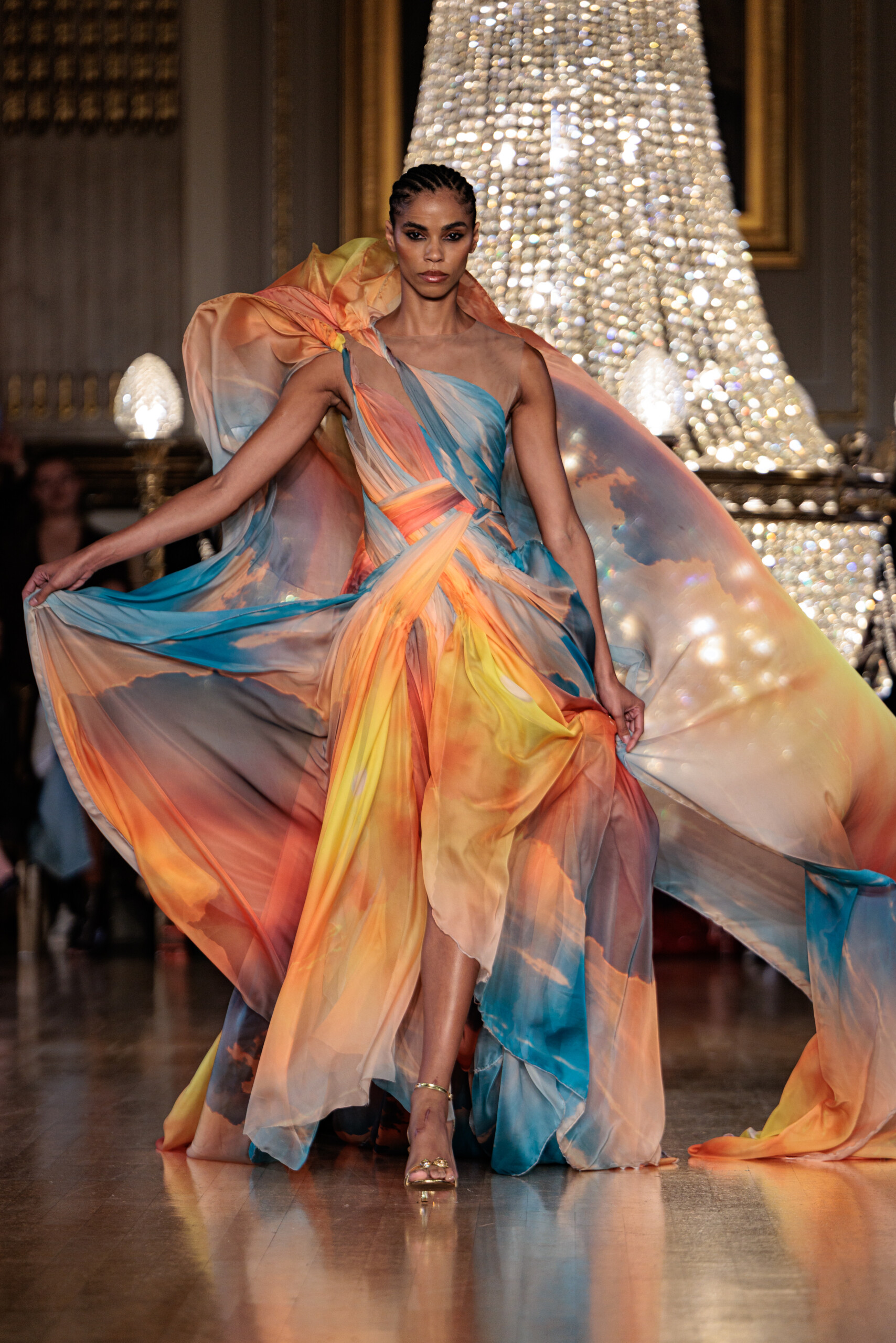
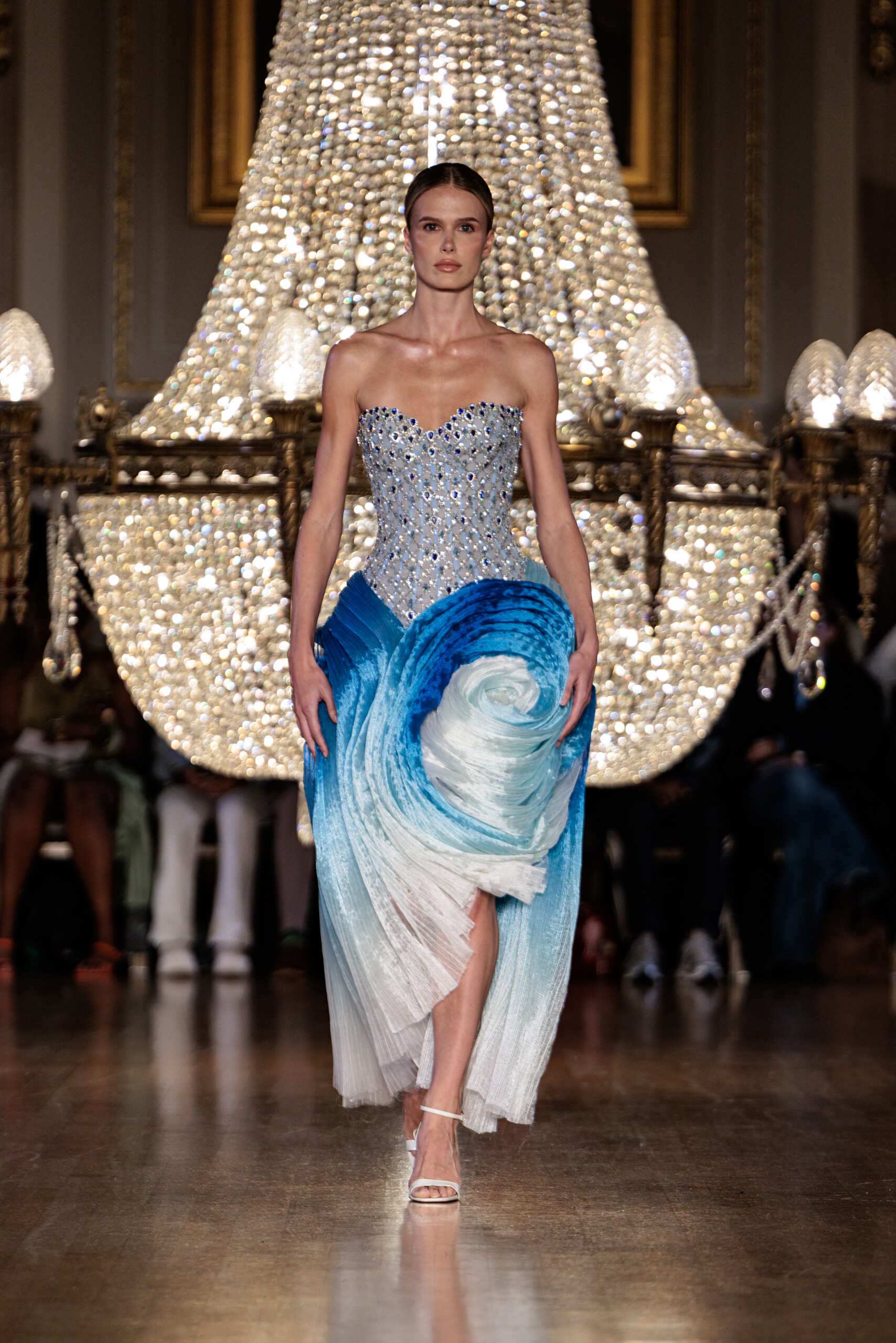
Together, this collection has managed to capture the moments in nature that we experience as feelings, and turn them into poetic works of art.
ELE KHEMIE // @elkhemie
In the latest from the Singaporean label, Department of Nocturnal Affairs follows a caffeine-intoxicated worker from midnight toward dawn across six acts.
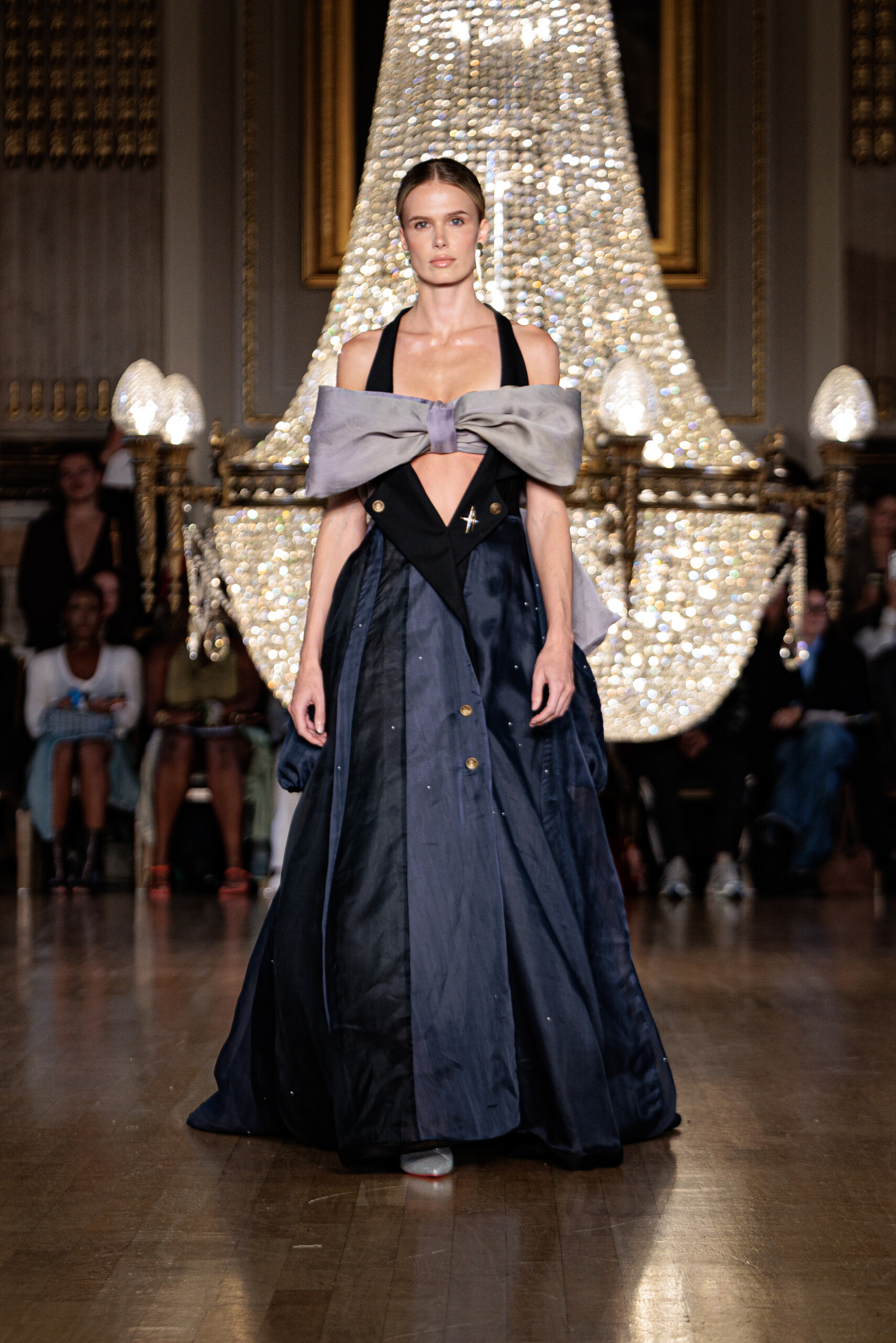
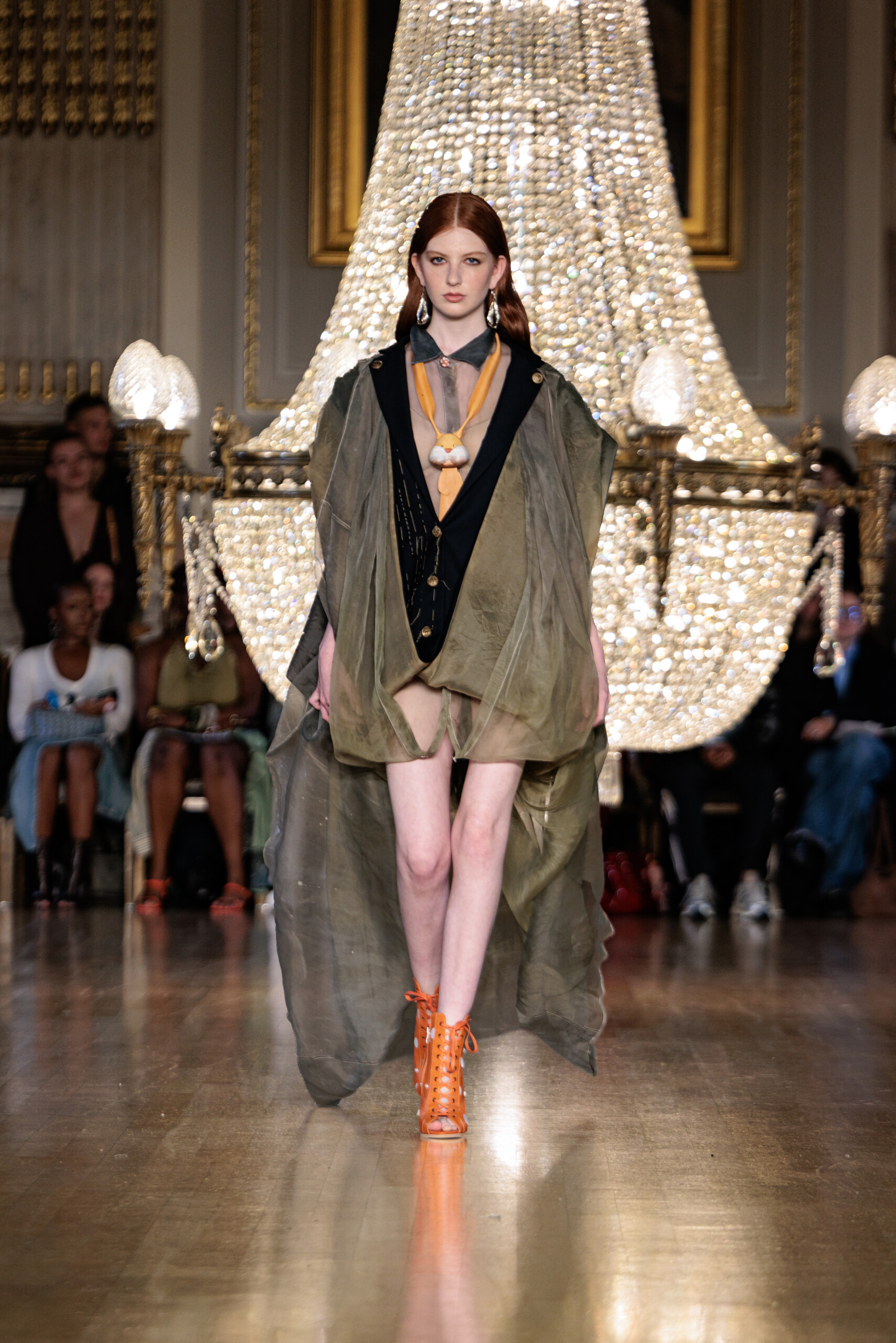
Part anti-corporate meditations, part social commentary, the pieces explore the spaces within cities where there is room to dream, each inspired by the rituals of Singaporean coffee and tea culture.
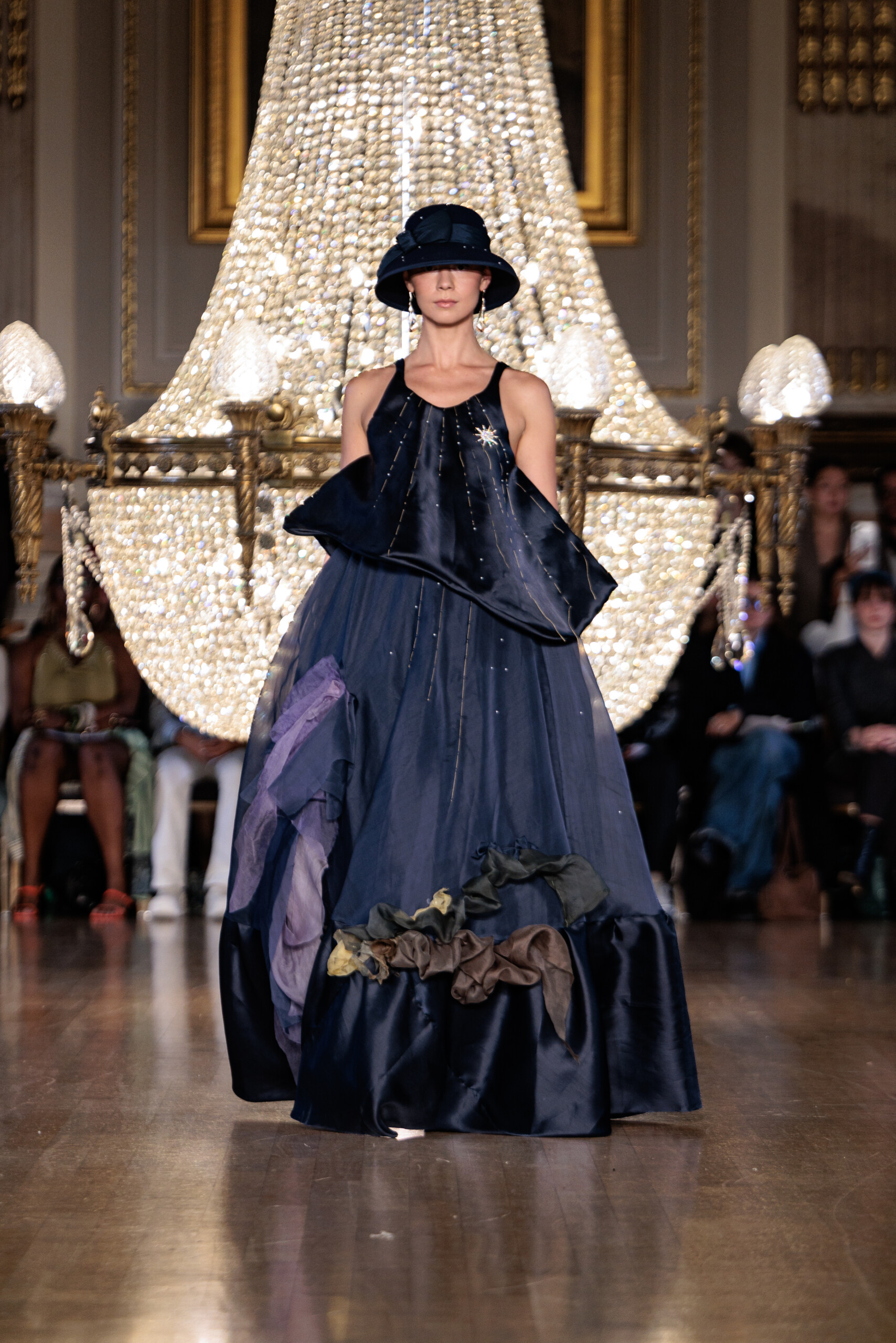
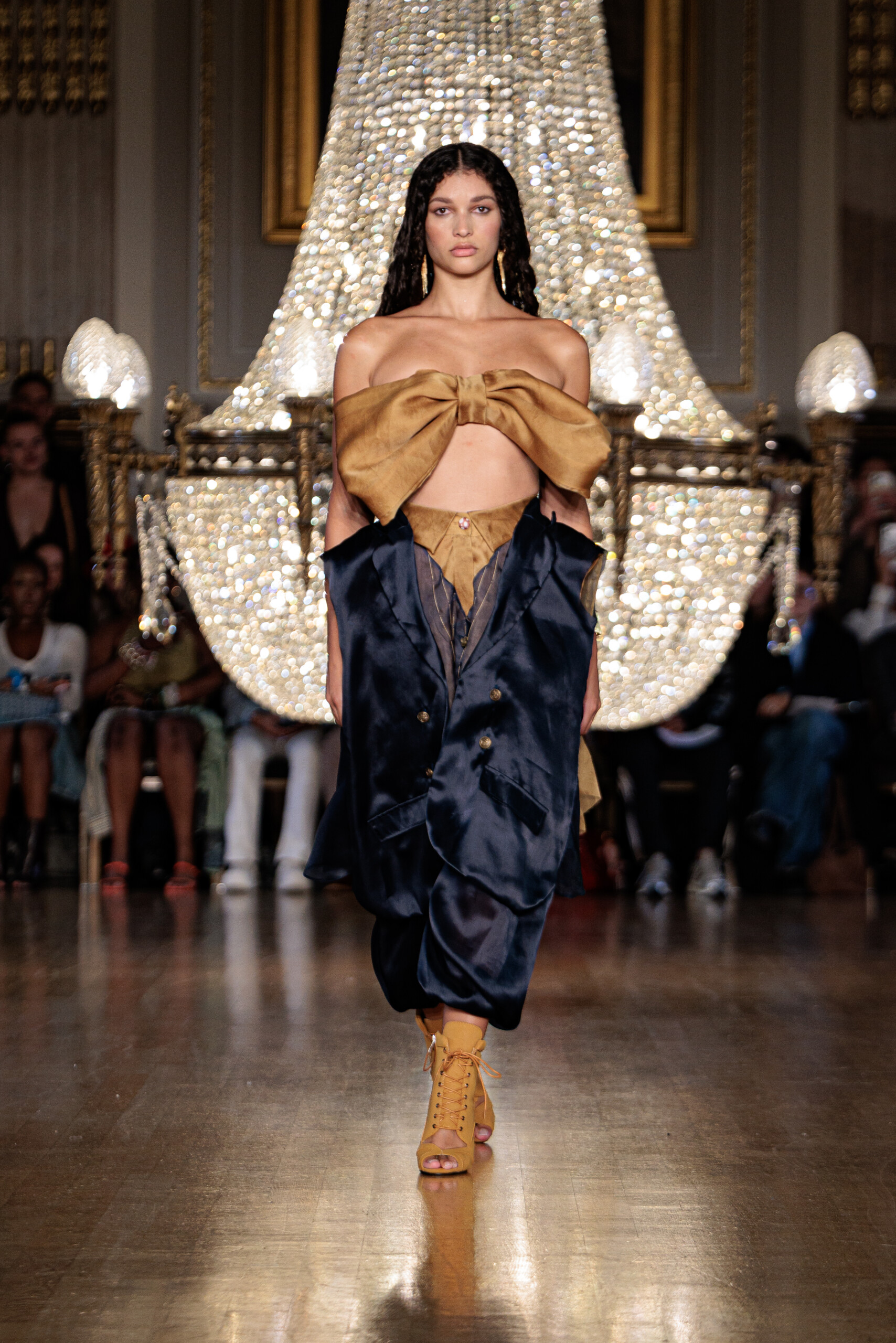
Black tea, chamomile and butterfly pea tea are hand-extracted and layered into silk organza, the textiles shifting gradually from deep botanical greens and earthen shadows into the cold light of corporate navy suiting.
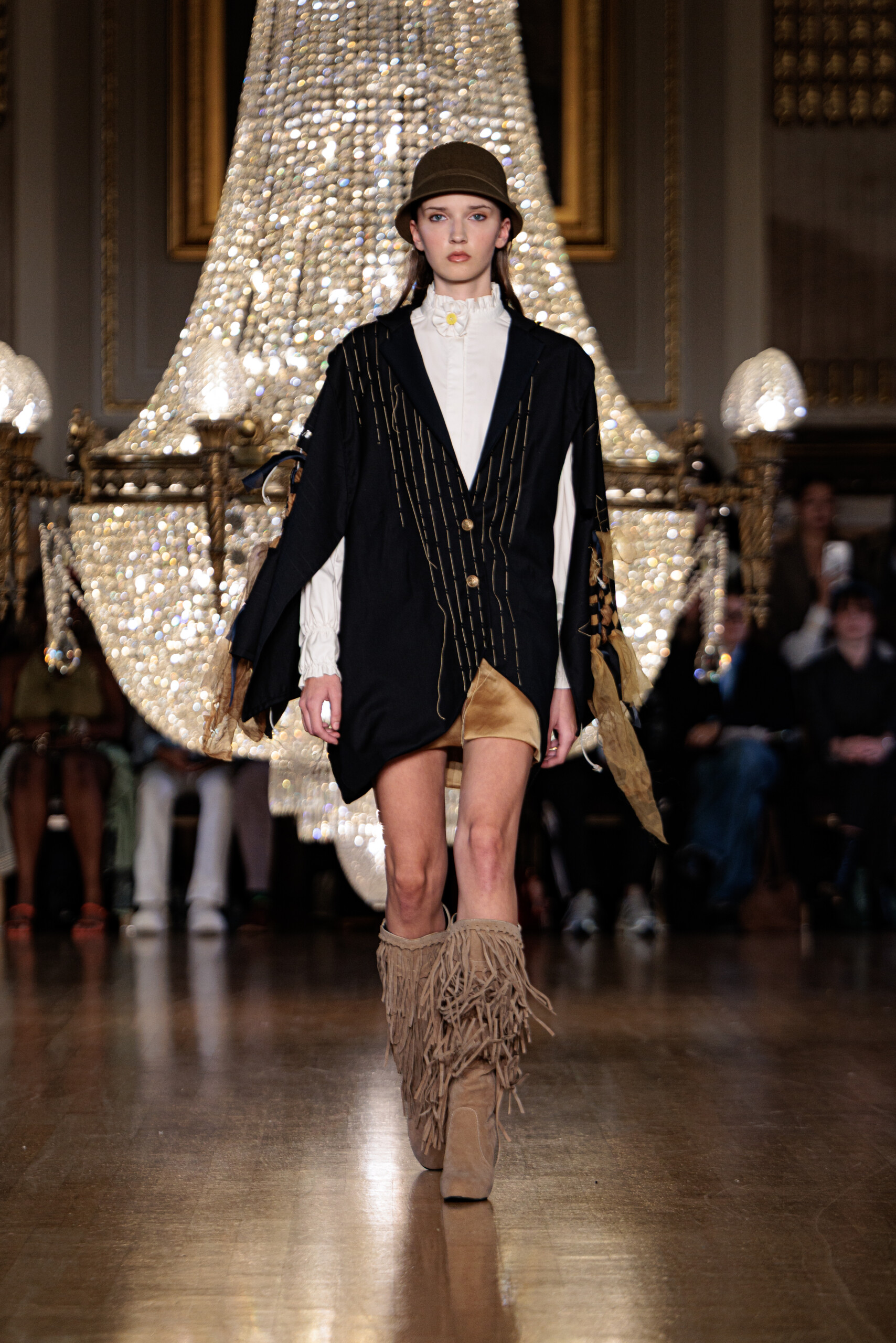
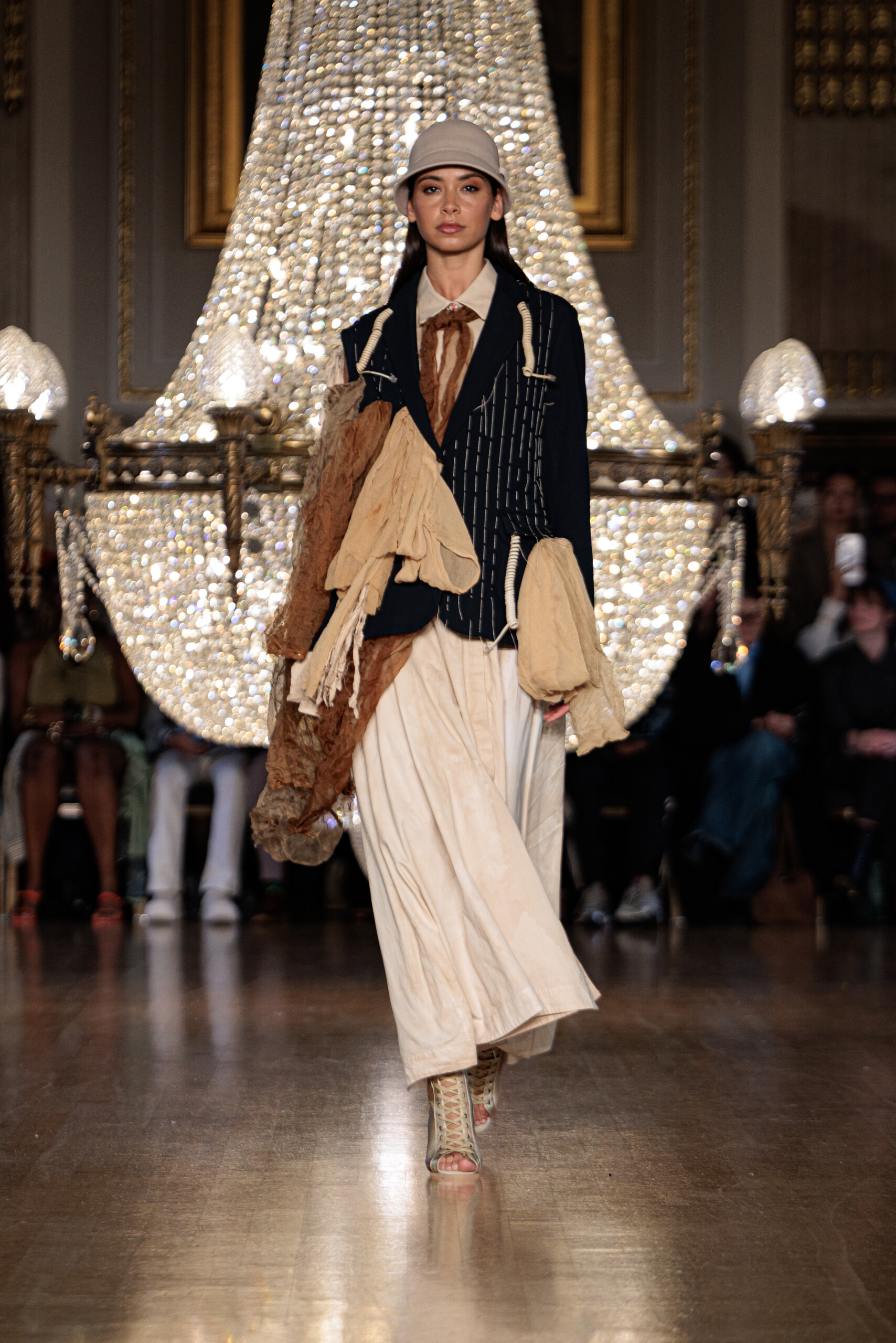
The social commentary is precise and the material process backs it up: this is wearable poetry about exhaustion, ritual and the brief, necessary space where there is still the possibility of wonder, between one working day and the next.
PSY LAU // @psylau.hk
The Art of Letting Go is, on the surface, a collection about decluttering.
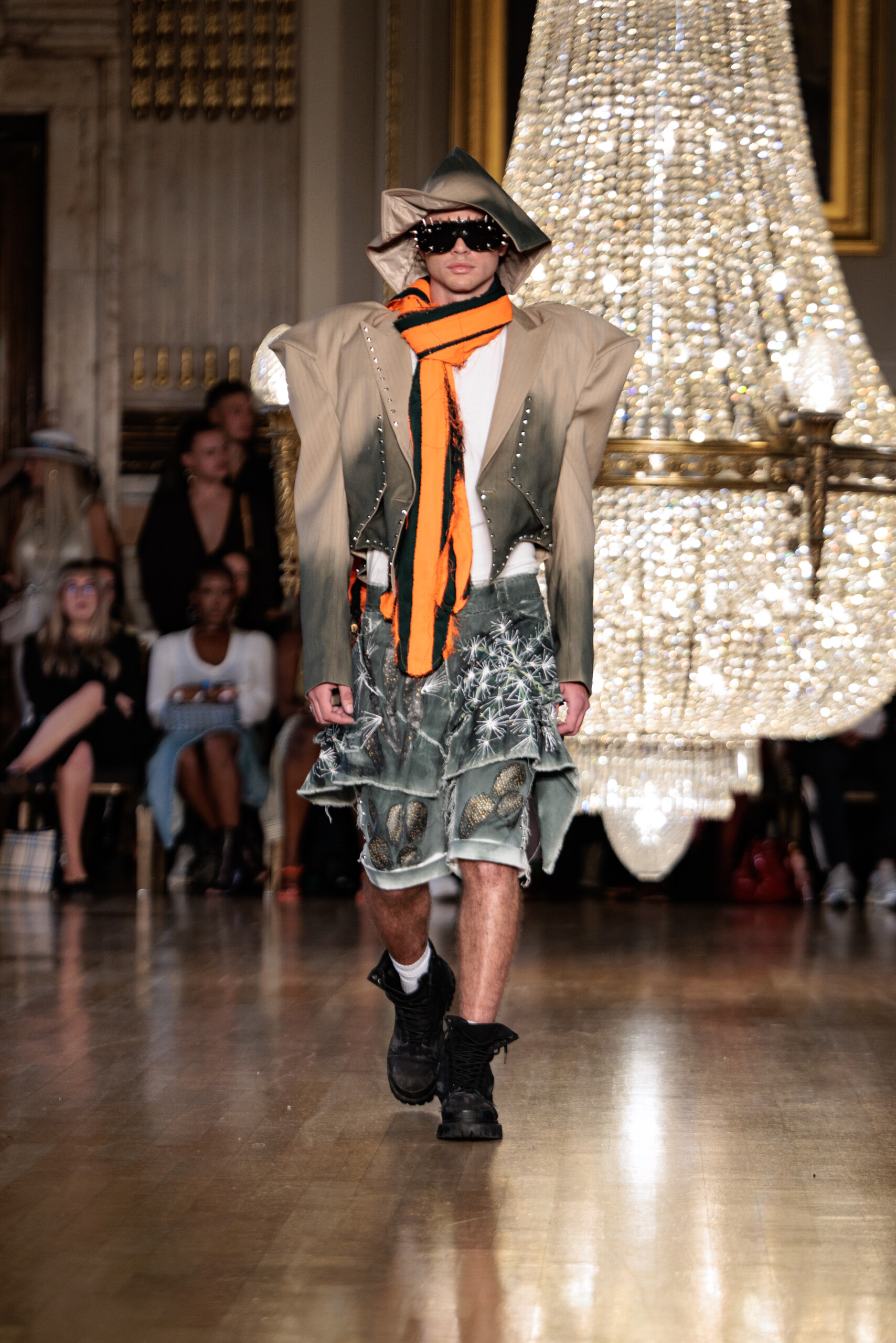
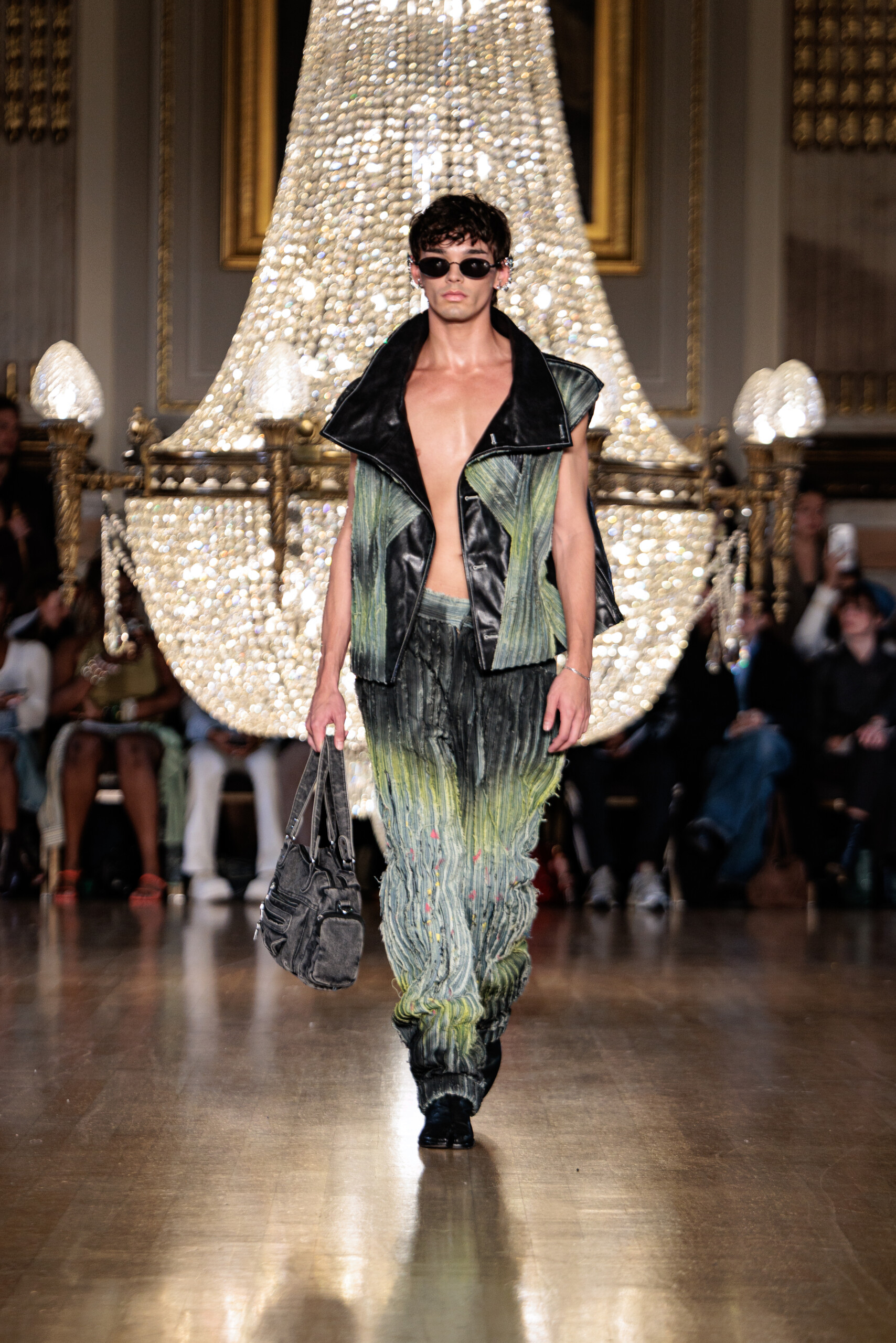
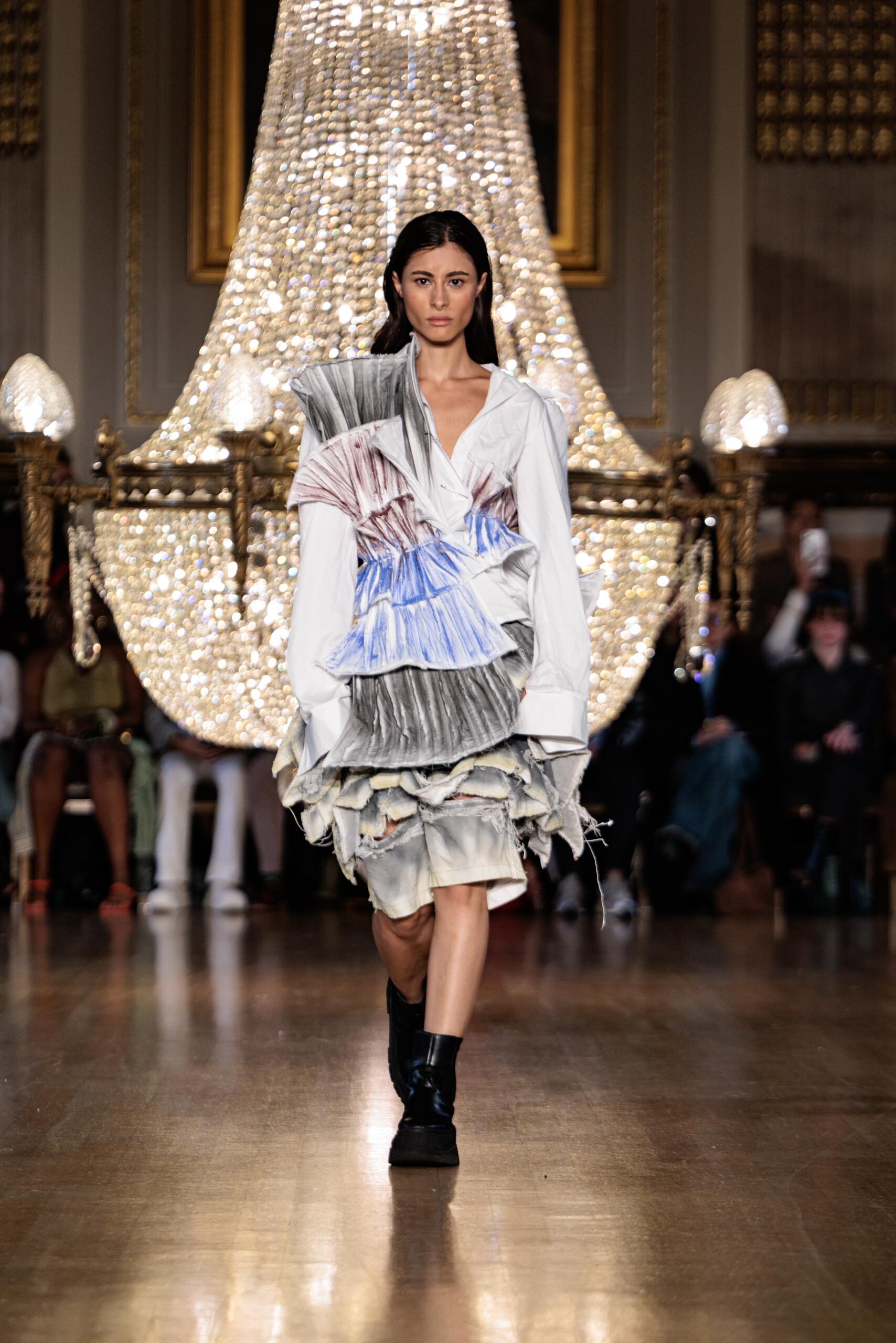
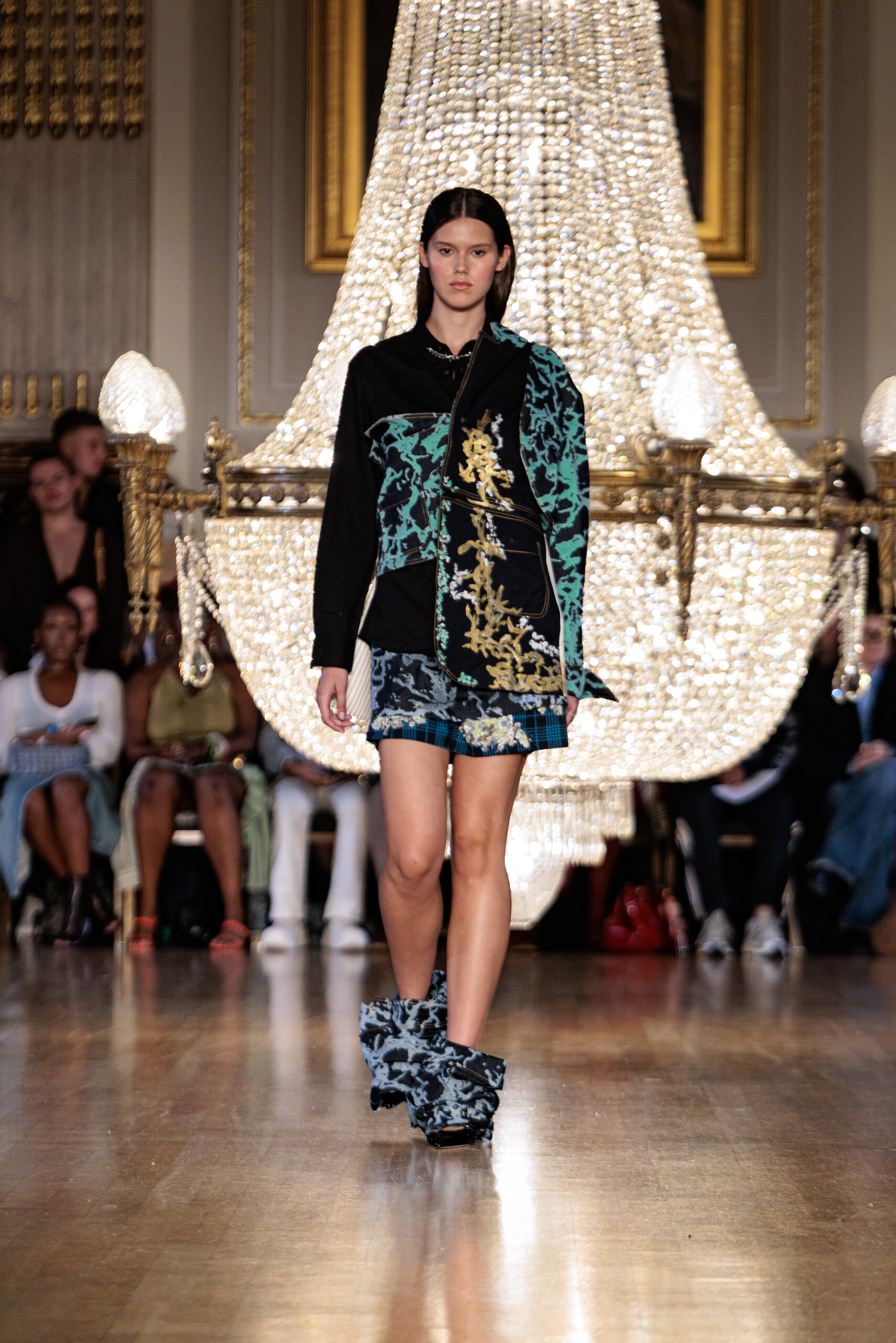
The Japanese philosophy of Danshari, with its discipline around releasing what no longer serves, shapes the SS27 silhouettes in ways that are immediately legible: clean lines, considered construction, nothing held onto for longer than it is needed.
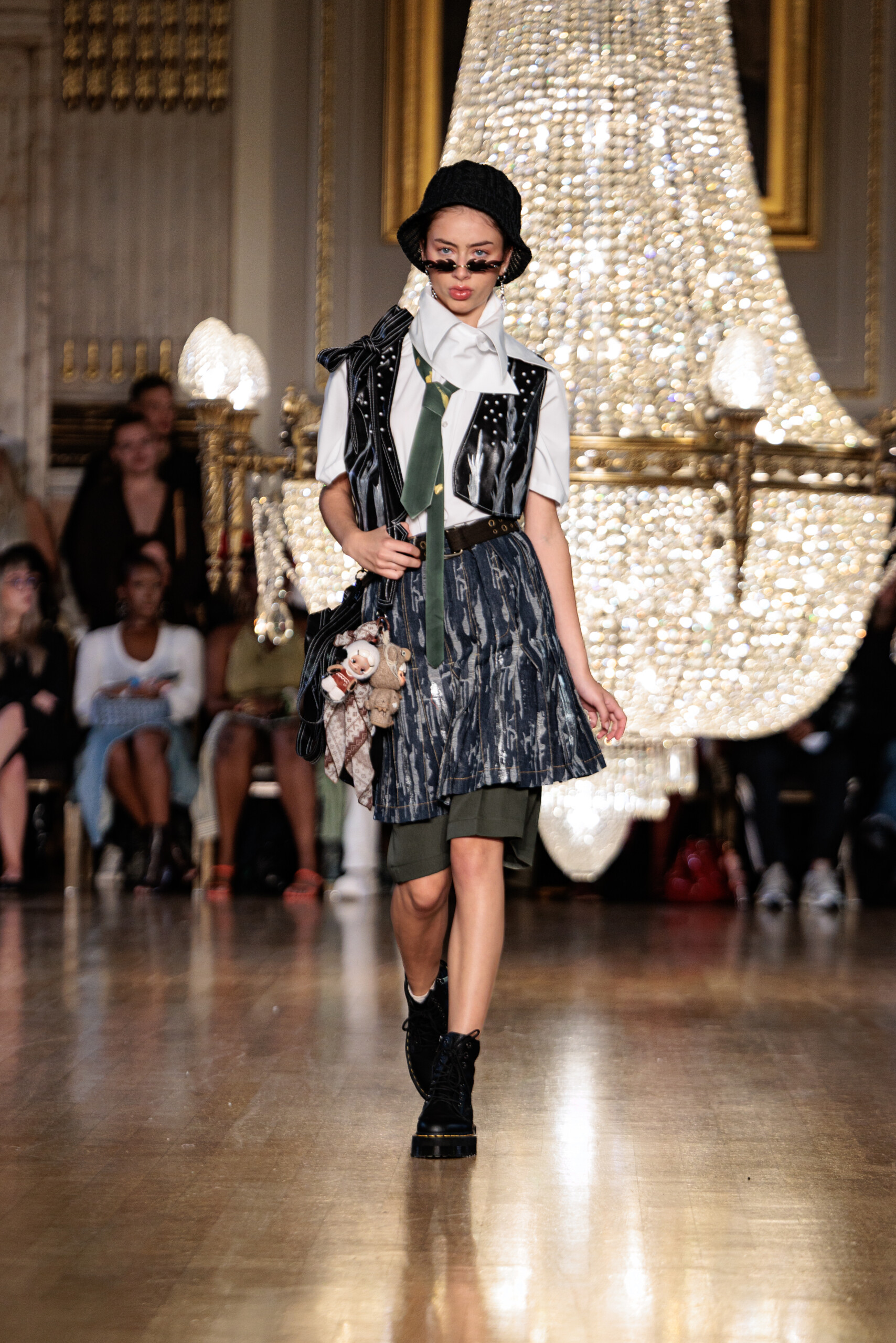
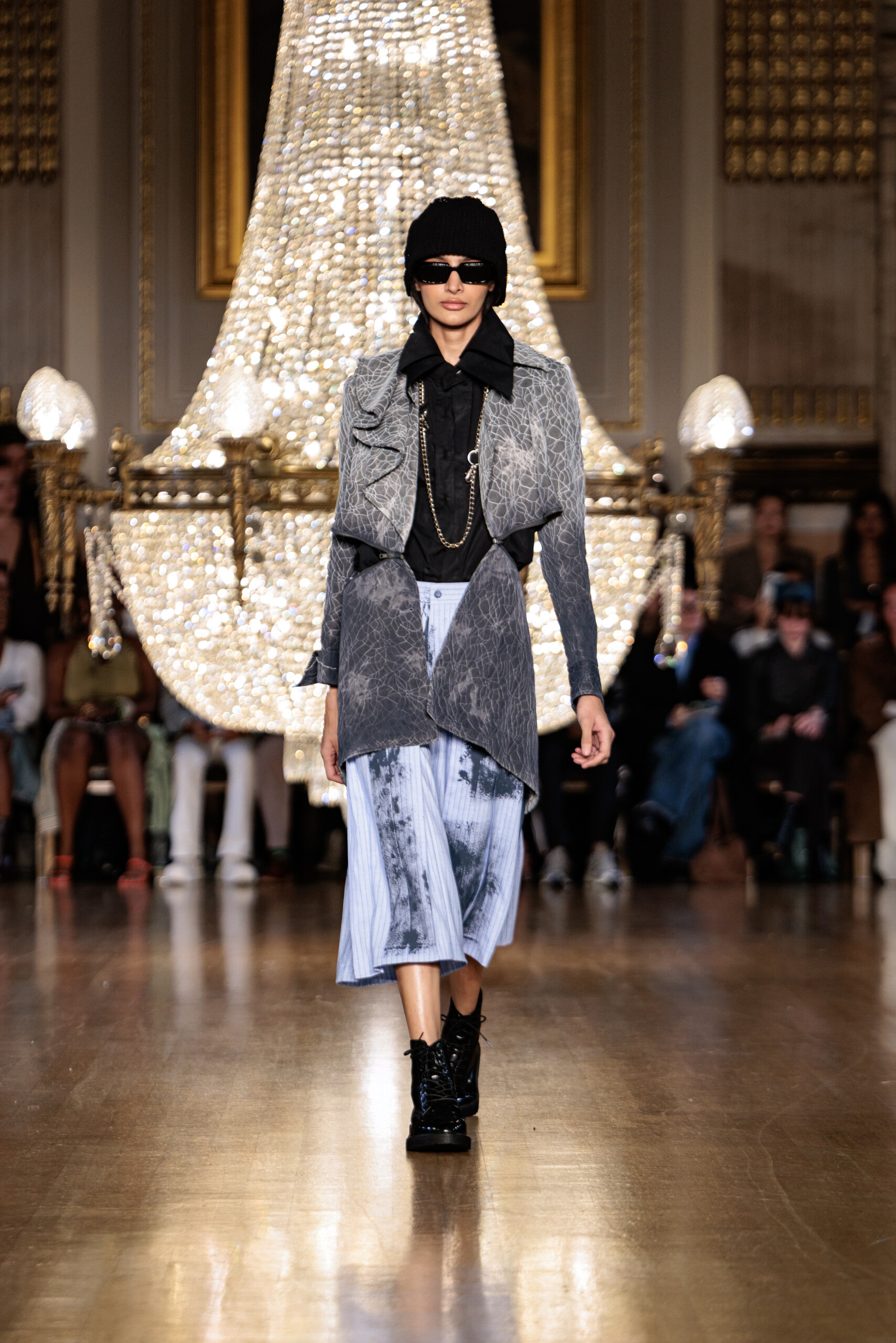
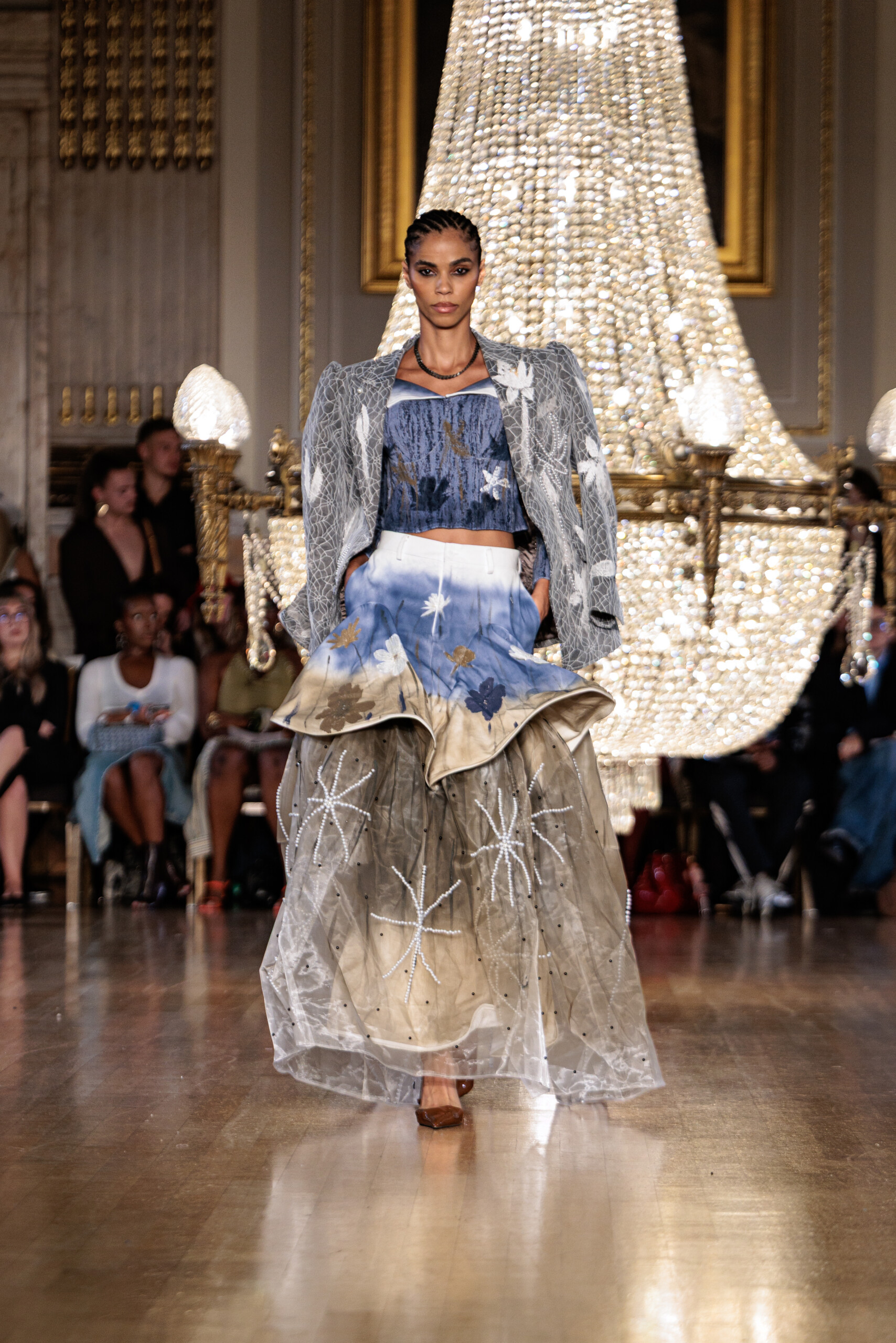
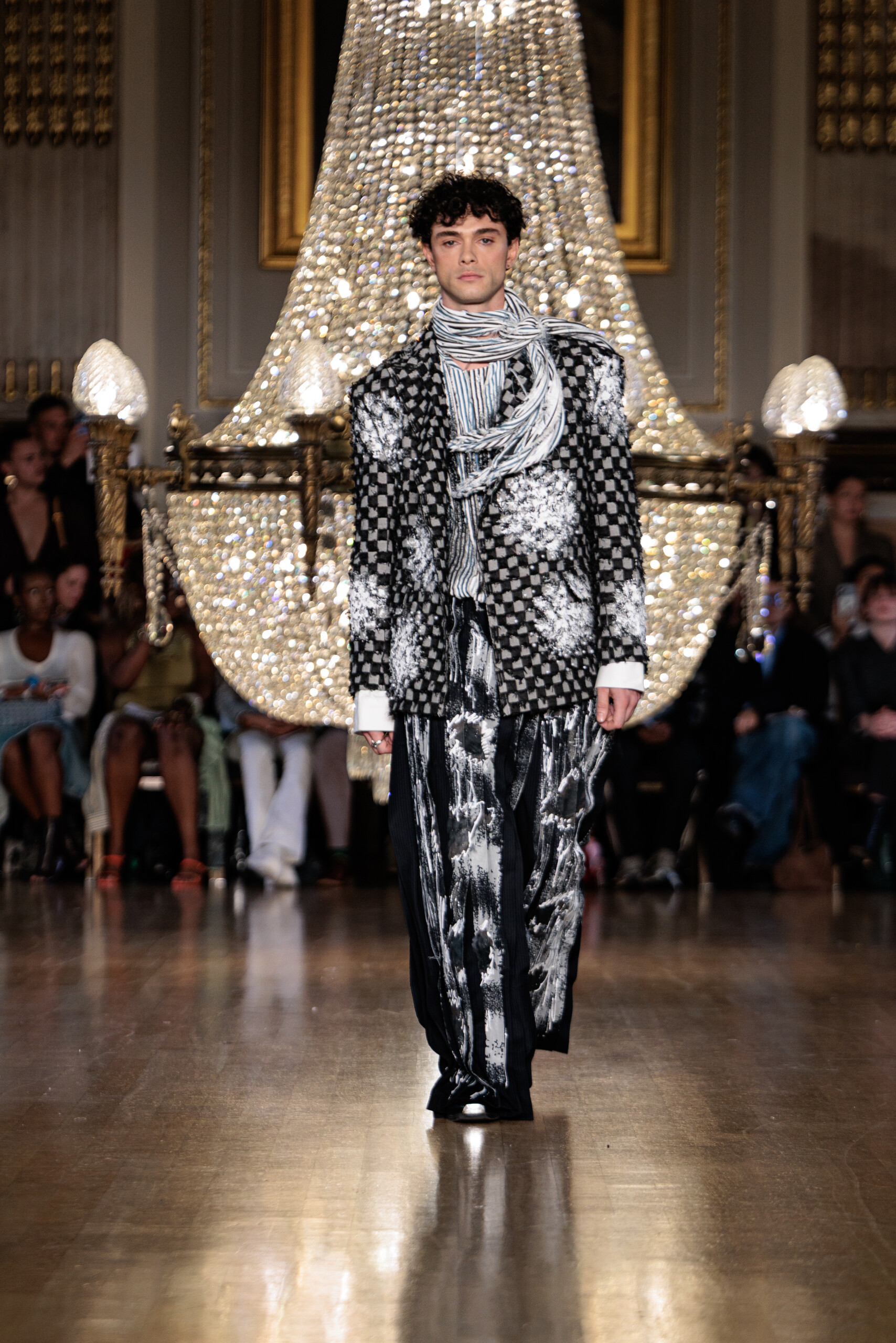
But PSY LAU pushes the concept further than its wardrobe application. The collection proposes that human relationships operate on the same logic as fashion cycles, that bonds have natural life spans and that recognising when something has run its course is not a failure but a form of clarity.
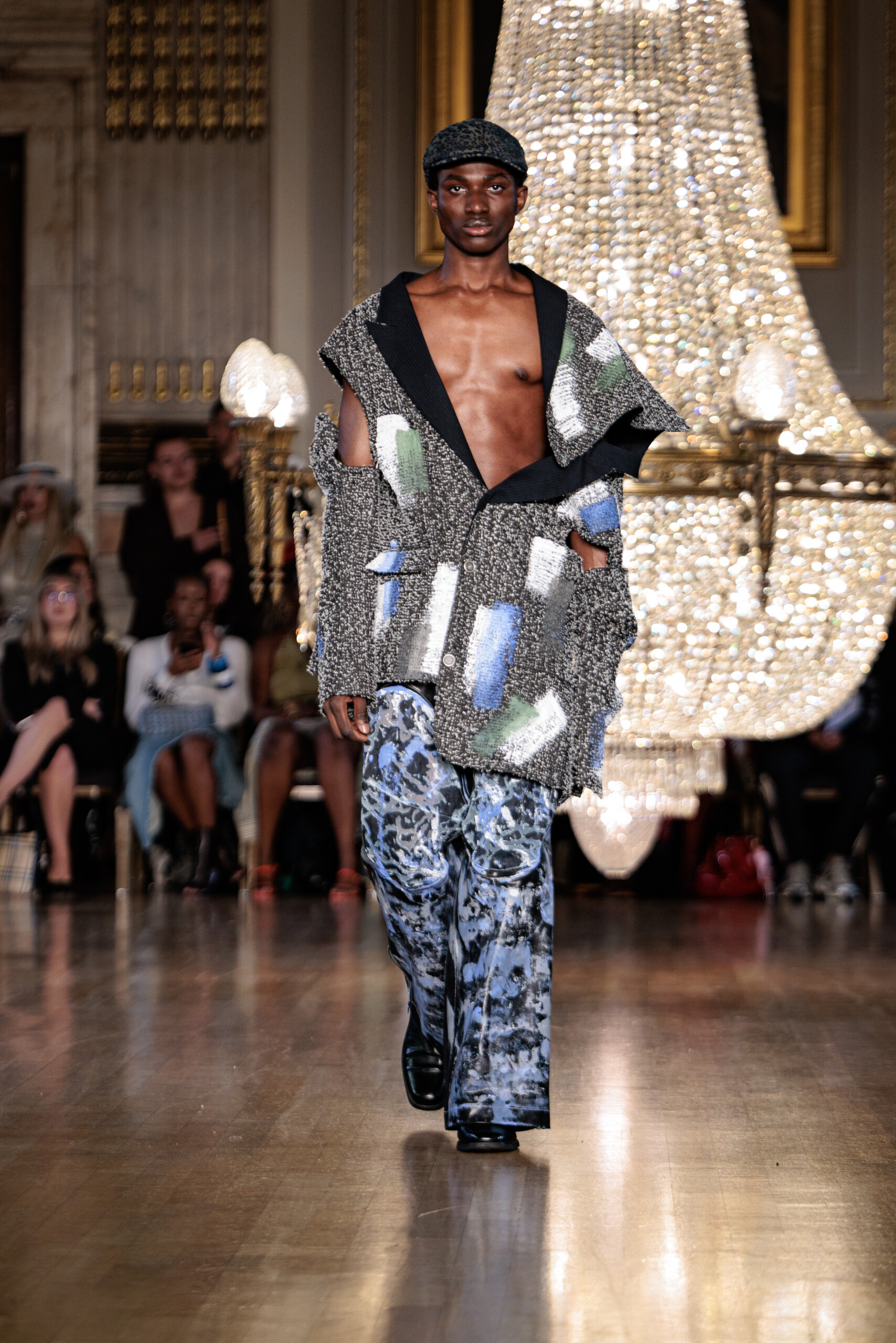
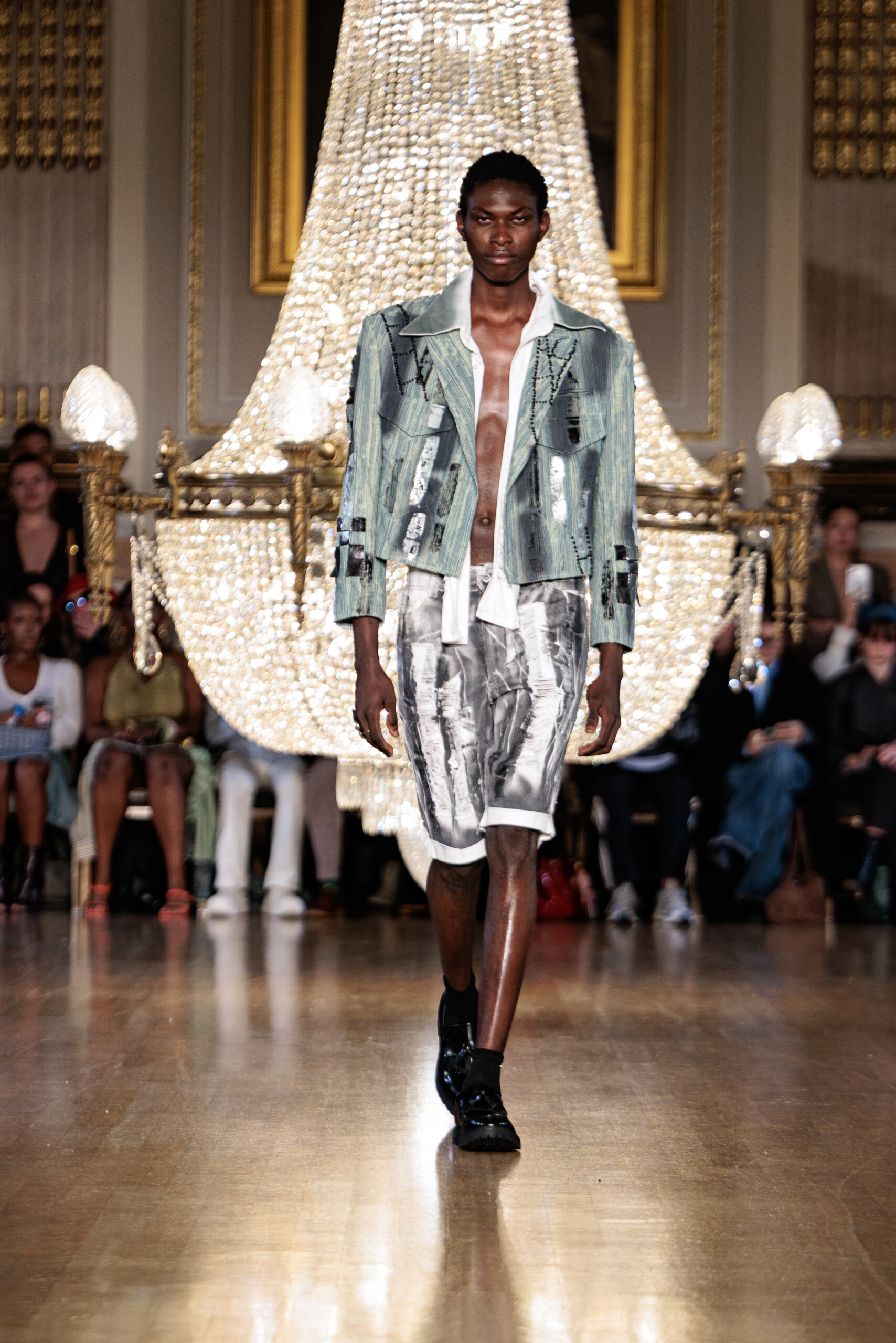
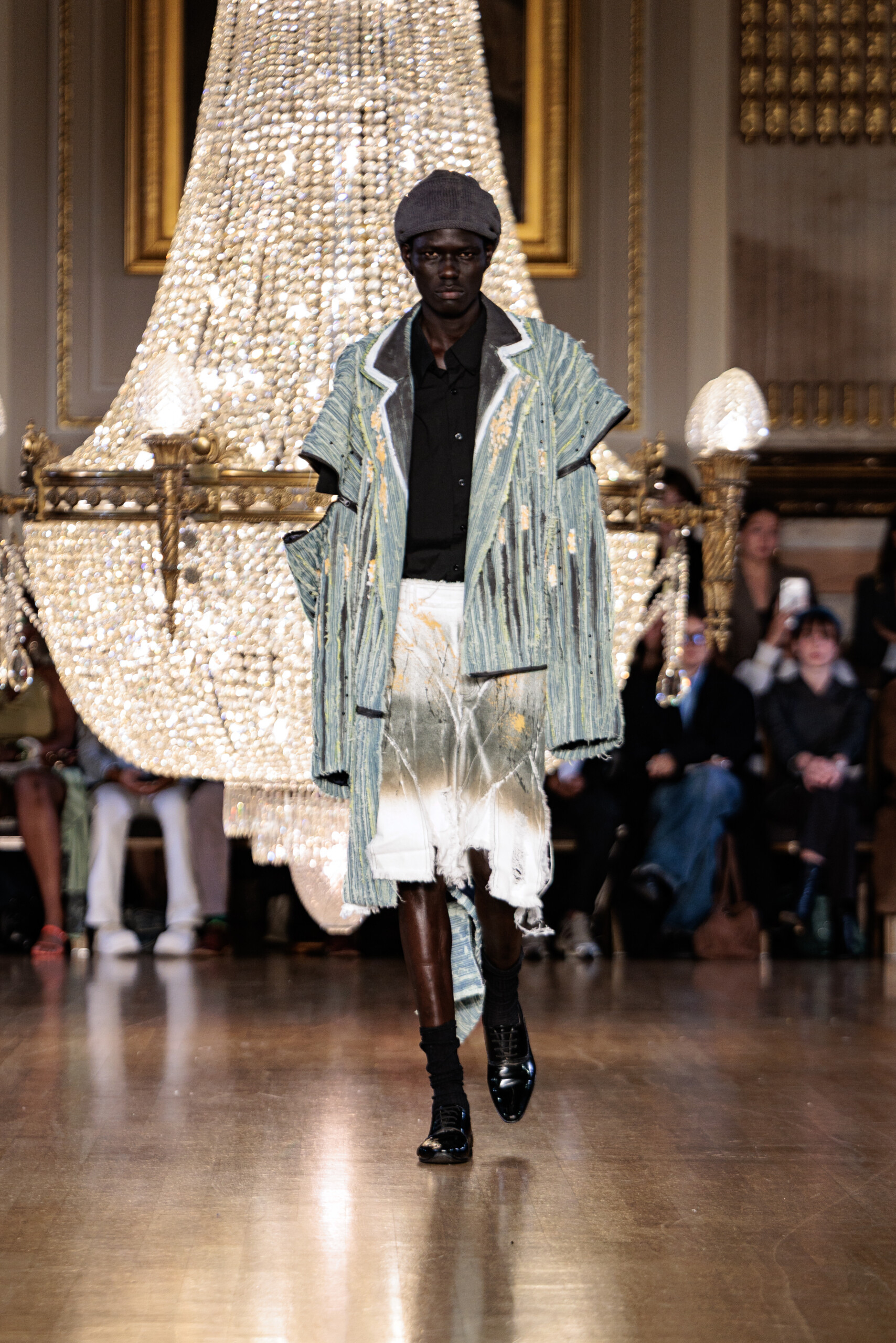
It is an emotionally ambitious premise for a streetwear label, and the restraint of the clothes makes the argument more effectively than any maximalism could.