Keir Starmer resigns as Prime Minister, as Wes Streeting backs Andy Burnham

Keir Starmer announced his resignation as Labour Party leader and prime minister on Monday – the latest in a line of departures that will make Britain’s next leader its seventh in a decade.
Starmer, visibly emotional, told waiting journalists that his party had answered the question of whether he was best placed to lead it into the next general election, and that he accepted that answer with good grace. He will remain as caretaker until a successor is confirmed.
The resignation followed months of intensifying internal pressure. Labour lost control of 38 councils and nearly 1,500 seats in May’s local elections, a result that prompted more than 100 MPs to call for his departure. Further defeats in the Welsh and Scottish elections created further fission within the party.
The appointment of Peter Mandelson as ambassador to Washington, which unravelled after his communications with the late Jeffrey Epstein came to light, had already eroded trust among colleagues, and the resignations of health secretary Wes Streeting and defence secretary John Healey in recent weeks left Starmer’s cabinet visibly hollowed out.
The Makerfield by-election on 18 June, in which Andy Burnham won a parliamentary seat with more than 9,200 votes to spare over Reform UK, defied polls that had projected a far narrower margin.
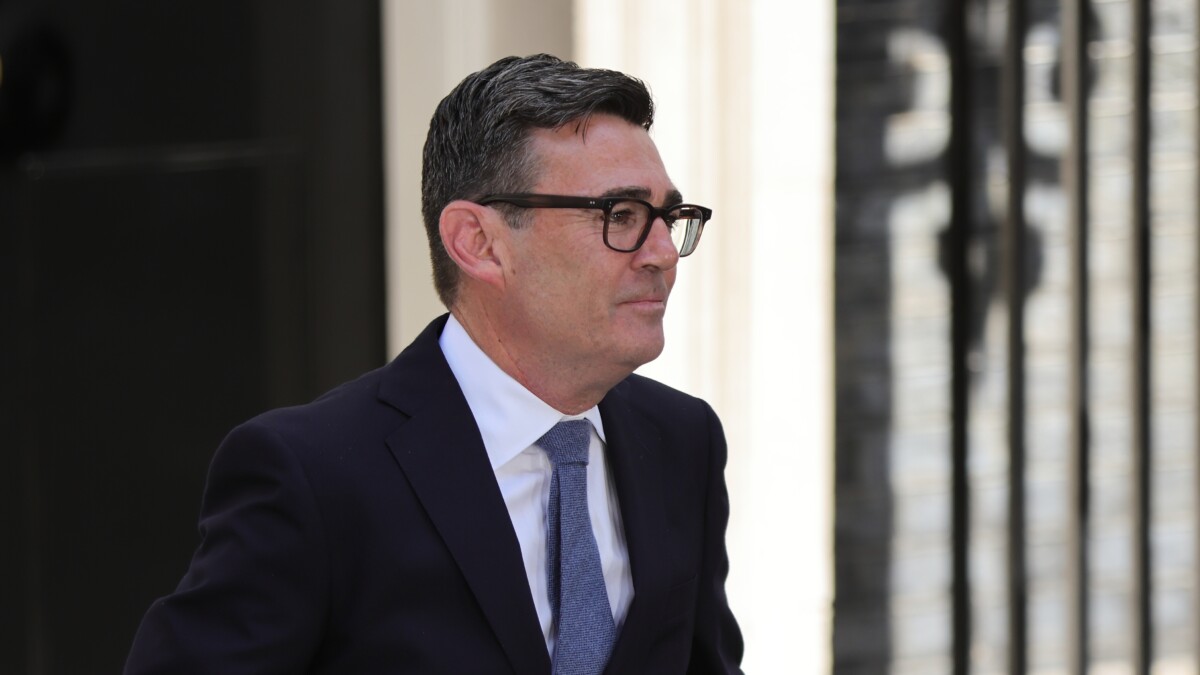
Burnham confirmed his leadership bid on Monday 22, and Wes Streeting, widely expected to challenge, has now endorsed him.
Nominations for the Labour Party leadership contest open 9 July and close 16 July, with a new leader expected before parliament returns from summer recess in September.
Across the media, outlets broadly agreed that Starmer’s resignation is a reflection of rising instability across Britain and its political landscape.
Right-leaning outlets led with a greater emphasis on failure — the scale of Labour’s electoral collapse, Reform’s continued momentum, and the damaging effect of ongoing changes in leadership. They also portrayed the resignation as a signal of political revolt and the country’s ideological shift away from the left.
Left-leaning and centrist titles reflected on overarching political instability and pressure on the Labour party, treating Burnham’s emergence as a meaningful break and his Makerfield result as evidence that Reform can be beaten.
Depending on the political bias, the announcement read as either a party in terminal decline or one in the process of correcting course.
Keir Starmer cries as he quits No10 claiming a deluded list of ‘achievements’ – now Britain awaits its seventh PM in ten years
His final U-turn: Starmer resigns with ‘gaslighting’ exit speech
Why did Keir Starmer resign? In the end he had no choice
Starmer quits as Labour leader and paves way for contest for new prime minister
Embattled Keir Starmer chokes up as he finally RESIGNS after just 23 months as PM – as Burnham announces he will run
Notably, although stories ran online, the Daily Express possibly used Starmer’s resignation to revive the Brexit division on Tuesday’s front page in a “Brexit anniversary and PM resigns special”:

Keir Starmer to step down as prime minister two years after historic election victory