Burnham barred from Commons return as Labour infighting intensifies

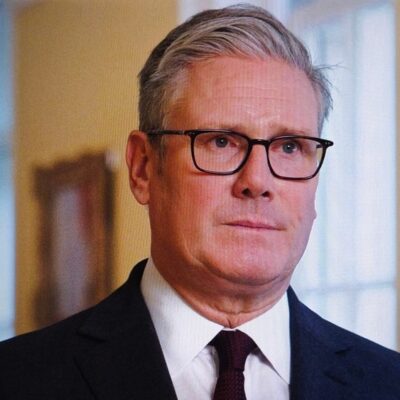
Andy Burnham has been prevented from attempting a return to the UK parliament, a move that has fuelled accusations from Labour’s left wing that Prime Minister Keir Starmer and his allies are seeking to sideline a potential challenger.
Burnham, the Mayor of Greater Manchester and one of Labour’s most recognisable figures, said he was unhappy with the decision. While urging party unity, he also expressed concern about how the process had been handled.
The row follows Burnham’s announcement on Saturday that he wished to stand as Labour’s candidate in a forthcoming by-election, triggered by the resignation of a local MP earlier in the week. However, Labour’s National Executive Committee (NEC) voted overwhelmingly against allowing him to run, rejecting his bid by eight votes to one in a decision that included Starmer’s participation.
The ruling effectively shuts down any immediate leadership ambitions Burnham may have harboured. Under Labour rules, only sitting MPs can initiate a formal leadership challenge, meaning a Commons seat would have given him a direct route back into frontline national politics.
Labour said the decision was made in the party’s broader interests, praising Burnham’s performance as mayor and arguing that forcing a mayoral by-election would impose unnecessary costs on both taxpayers and party finances.
Burnham responded publicly by warning that the fallout could damage Labour ahead of key local elections. Although his initial statement struck a conciliatory tone, calling for unity, he later issued a sharper criticism, noting that media outlets had learned of the NEC’s decision before he had.
The episode comes at a sensitive time for Labour, which has seen its poll ratings slide sharply since its landslide election victory in July 2024. The party is currently trailing Nigel Farage’s Reform UK in some surveys ahead of pivotal May elections, with critics arguing Labour has struggled to deliver tangible improvements on the economy, public services and immigration.
Political tensions were underlined last week when speculation over Burnham’s possible return to parliament briefly unsettled financial markets, prompting a sell-off in UK government bonds amid concerns he could push for looser fiscal policies if he gained influence.
Senior figures on Labour’s left reacted angrily to the NEC decision. Former shadow chancellor John McDonnell accused Starmer of weakness, arguing that blocking Burnham would ultimately hasten, rather than prevent, challenges to his leadership.
Although Burnham has previously criticised Starmer’s leadership style, he said he had reassured the prime minister that his intention was to back the government rather than destabilise it.
Burnham last sought the Labour leadership in 2015, losing to Jeremy Corbyn. Since leaving parliament in 2017 to become mayor, he has remained a prominent voice within the party, particularly among those uneasy with Starmer’s more centrist direction.
Starmer had no good options on Burnham – but blocking him is a big risk
Labour in revolt over Burnham ‘stitch-up’
Labour MPs revolt after Andy Burnham is blocked from standing as MP
Burnham saga unlikely to be last act in drama of Starmer’s leadership
Lame duck Starmer has ‘only hastened his demise’
Andy Burnham swipes at Starmer as PM faces civil war after allies block takeover plot