Look

Frida: The Making of an Icon | Tate Modern

Tickets are now on sale for Frida: The Making of an Icon, opening at Tate Modern from June 25 to 3 Jan 2027.


For the first time in more than 20 years, a major UK exhibition will bring together the full scope of Frida Kahlo’s artistic evolution, tracing her legacy from early self-portraiture to her afterlife as a global cultural icon. Opening at Tate Modern, the exhibition presents more than 30 works by Kahlo alongside photographs, archival material and personal artefacts, offering a wide-ranging reassessment of her place in art history.

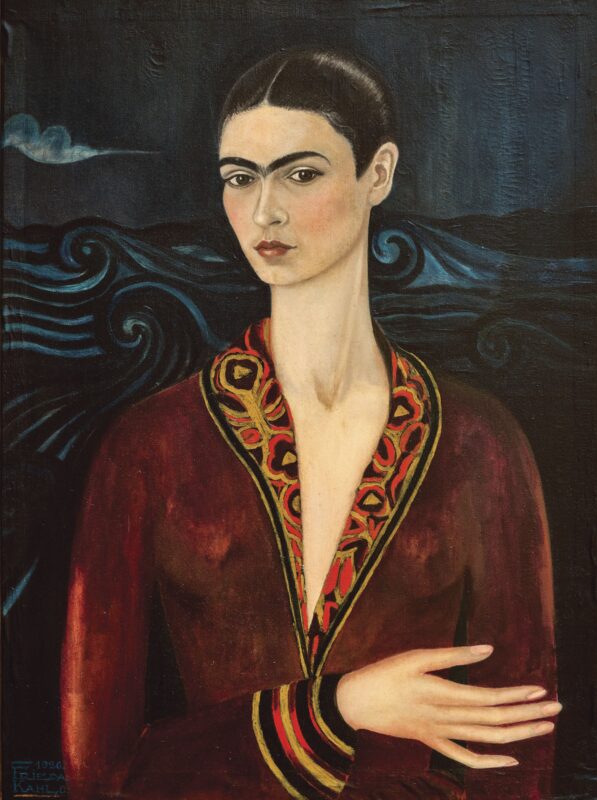
Frida Kahlo – Self-Portrait With Velvet Dress

Building on Tate Modern’s landmark 2005 survey, the new exhibition expands the frame to consider Kahlo not only as a singular figure of modernism but as a continuing point of reference for artists across generations and geographies. By placing her work in dialogue with modern and contemporary artists influenced by her imagery, politics and biography, the show argues for Kahlo’s enduring relevance and her role as one of the most influential artists of the 20th century.

The exhibition opens with an exploration of Kahlo’s self-fashioning, both in her paintings and in her carefully constructed public persona. Through paintings, photographs and objects from her personal collection, visitors are introduced to the multiple identities Kahlo articulated throughout her life. Iconic early works such as Self-Portrait (With Velvet Dress) (1926) and Self-Portrait with Loose Hair (1938) reveal how she used her own image to address Mexican heritage, gender nonconformity, feminism and lived experience as a disabled woman.

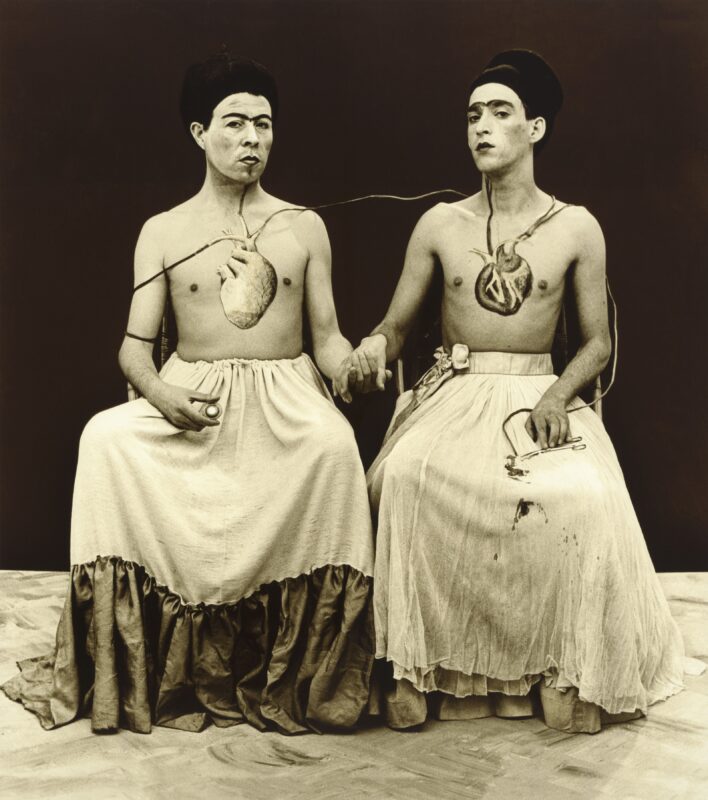
Las Yeguas del Apocalipsis – Las dos Fridas

These self-portraits are shown alongside works by artists associated with the so-called Mexican Renaissance, including Diego Rivera’s Portrait of Frida Kahlo (c.1935) and María Izquierdo’s Dream and Premonition (1947). Together, they highlight the artistic exchanges and intellectual networks that shaped Kahlo’s practice. Photographs and archival materials, including examples of her tehuana dresses and treasured possessions, further illuminate how identity functioned as both subject and medium in her work.

At the centre of the exhibition is an examination of Kahlo’s relationship to surrealism. Although she resisted the label, her work attracted the attention of surrealist founder André Breton, who famously described her as “a self-made Surrealist.” Following her first solo exhibition at the Julien Levy Gallery in New York in 1938, Kahlo was invited to exhibit in Paris, where the French national collection acquired her painting The Frame (1938), which will be shown at Tate Modern.

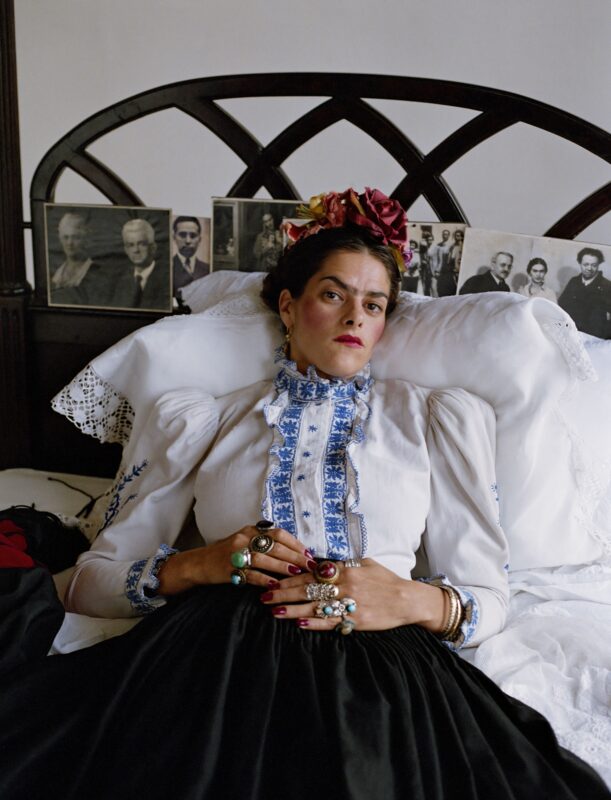
Mary McCartney – Being Frida London

Other key works in this section include Diego and Frida (1929), Memory (The Heart) (1937), Survivor (1938) and Girl with a Death Mask (1938). These paintings are presented alongside works by Latin American artists such as Kati Horna and Leonor Fini, revealing shared interests in dream imagery, masks, skeletons and the omnipresence of death.

The exhibition also traces Kahlo’s posthumous rise to prominence, particularly in the United States. While she was known in artistic circles during her lifetime, widespread recognition came later, notably during the late 1960s when the Chicana/o movement embraced her as a symbol of cultural pride and political resistance. Works such as My Dress Hangs There (1933–38), expressing Kahlo’s ambivalence toward the US, resonated strongly with Mexican migrants and Chicana/o communities. The show also foregrounds Mexican artists of the 1980s and 1990s, including Nahúm B. Zenil and Georgina Quintana, who drew on Kahlo’s imagery to critique nationalism, patriarchy and gender norms.

A further section examines the renewed feminist interest in Kahlo from the 1970s onwards. Her uncompromising self-representation – cropped hair, masculine dress, depictions of childbirth and female sexuality – challenged entrenched cultural expectations. Works by artists such as Judy Chicago, Ana Mendieta and Kiki Smith are shown alongside Kahlo’s paintings, creating visual conversations around the body, violence, nature and identity. Contemporary artists including Yasumasa Morimura, Martine Gutierrez and Berenice Olmedo extend this legacy, appropriating Kahlo’s image to address race, gender, sexuality and disability.

Together, the exhibition presents Kahlo as both artist and phenomenon, examining how her work continues to be reinterpreted, politicised and consumed in the contemporary world.

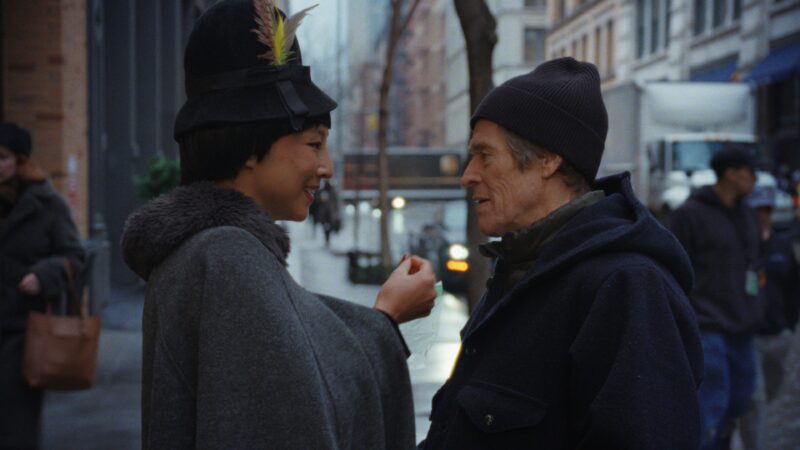
Header: Maria Izquierdo – Dream and Premonition
All images courtesy Tate press office

You may also like

More in:Look

Comments are closed.