Laugh

England and Wales Panic As Drink-Drive Limit Cut – Despite Scotland Continuing To Exist And Drink

Britain has been gripped by widespread confusion, disbelief and several hastily-written opinion columns after the government announced plans to lower the drink-drive limit in England and Wales to match Scotland’s, a country that has somehow been operating under the same rules for over a decade while continuing to drink large quantities of alcohol.

Under the proposed changes, drivers in England and Wales may be advised not to drink any alcohol at all before driving — a concept described as  “clearly un-British”.

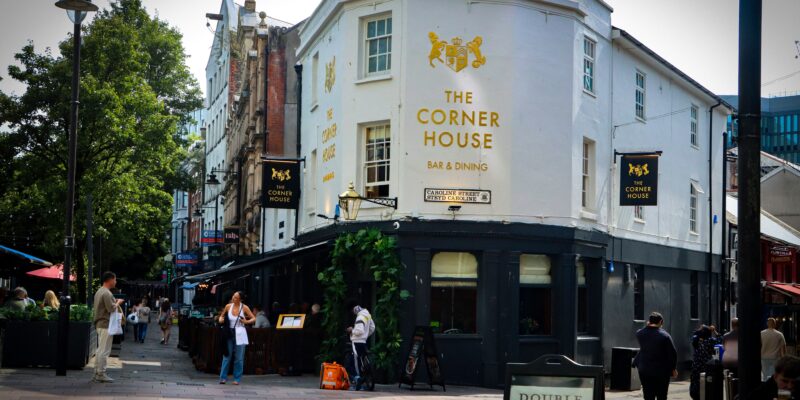
Transport minister Lilian Greenwood urged pubgoers to leave their cars at home, prompting fears that pubs will immediately evaporate, taxis will burst into flames, and the British social contract — based on the idea that two pints is “basically nothing” — will finally collapse.

“If you’re going to drive, don’t drink,” Greenwood said, calmly, moments before several columnists fainted.

The new limit of 22 micrograms per 100ml of breath would bring England and Wales into line with Scotland, which cut its limit in 2014. Scotland has since reported no “significant impact” on the pub trade, a claim widely dismissed by commentators who have never been to Scotland but remain certain it must be wrong.

Scotland continues to function despite the lower limit, a fact that has baffled English observers who had been assured such measures would result in boarded-up pubs, mass sobriety, and men staring silently into empty pint glasses whispering, “What’s the point?”

Asked how Scotland has coped, one Glasgow local explained: “You just don’t drive to the pub. Or you get the bus. Or a taxi. Or you walk. Or you drink at home. Or you drink more when you’re not driving.”

This explanation was later rejected by several think tanks as “too smug”.

The government insists the measures are not designed to stop people having a “great night out”, though many readers interpreted this as a thinly veiled threat. Greenwood stressed that people could still enjoy alcohol-free drinks, which experts describe as “something your mate orders once, to prove a point”.

Despite warnings of chaos, Scotland has managed to combine a zero-tolerance approach to drinking and driving with a thriving culture of pubs, festivals, and drinking for reasons unrelated to driving, such as football, weather, or existing.

Meanwhile, critics in England warned that the new rules would unfairly target “responsible drivers who know their limits”, a group statistically defined as “everyone who has ever been caught drink-driving”.

The Department for Transport noted that England, Wales and Northern Ireland currently have the highest drink-drive limit in Europe, alongside Malta — a comparison officials admitted was “not the flex some people seem to think it is”.

As the debate rages on, Scotland continues quietly demonstrating that it is entirely possible to have stricter drink-drive laws, fewer road deaths, and still get absolutely hammered.

You may also like

More in:Laugh

Comments are closed.