 By Prime Planet
Introducing: Porter Robinson
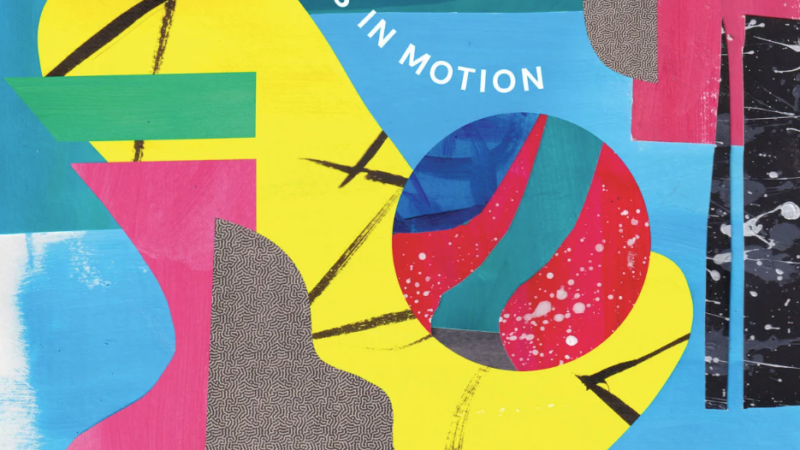
As it stands the EDM scene is stagnated and nationalised, or so says 21-year-old American musician Porter Robinson. After enjoying success as a producer and DJ with his more commercial ‘Spitfire EP’, working with Skrillex and Tiesto, and making remixes for Lady Gaga, Porter has turned his back on EDM and is getting ready to unleash his alternative with his debut album ‘Worlds’.
We catch-up with Porter to talk about his new sound, suffering panic attacks on stage and why he owes everything to arcade favourite Dance Dance Revolution.
Prime Planet: Describe your new direction in three words?
Porter Robinson: Beautiful, emotional and song-orientated.
PP: Why did you choose ‘Sea of Voices’ as the first release from your upcoming album?
PR: It’s a statement of my intent, to show people that this is really not going to be a festival main stage album. A typical first single move is to put out your top hit and I wanted to do the opposite with this because there were a lot of eyes on me. If I released something that was really easy, I felt that it would be a let down and I really wanted to get people talking.
PP: What did you want to get people talking about?
PR: I think that dance music’s status quo is extremely boring right now, there’s basically no change, the whole scene has become very stagnated and nationalised. There’s nothing to talk about, everybody’s just making the same songs and it’s horrible. I think if you do something different it inspires conversation and that was a really good consequence of this, because criticism is something that electronic music needs direly.
PP: How long has the album taken?
PR: I’d say that this was a two-year work in progress, which is somewhat short, but I was really propelled by my raw excitement for doing it. I’ve probably written about 50 songs and thrown away most of them, which has left us with a nice bunch of 14 or so songs that I feel really good about.
PP: How do you feel people have reacted so far?
PR: I really braced myself for a big backlash against it but I didn’t really get any of that hate. The consensus that I got was that it was a breath of fresh air. Again it was all about “Sea of Voices” and during the Oscars it was a number one worldwide trending topic on Facebook and Twitter. I was just trying to show other people another side to me as an artist.
PP: Have you started planning for live shows yet?
PR: My next big challenge is going to be taking the show on tour, I’ve got some really good ideas and I’m going to make it fun for folks. I’m going to try and step it up in terms of lights, production and video to really ratchet up the intensity to bridge the gap for people.
PP: On Twitter you mention that you’ve had a series of panic attacks while DJing and that you thought it was connected to feeling like a fraud, tell me about that because it seems extreme…
PR: It happened mostly on my second most recent tour in Australia, I’d agreed to do these tours a long time ago and had to go through with them, but by then I’d been writing my new music for a long time.
I was stuck between sitting there and looking contemptuous or feigning this fake enthusiasm, which made me feel disgusted with myself. It happened on three occasions and people would come on stage asking me what’s wrong but I couldn’t express it. I never walked off, but I cut a few sets short.
I’ve been very drawn towards anxiety my entire life and I’ve dealt with mental health issues forever. I agree that it does seem quite romantic – to be on stage being all angsty about the music that you’re playing – I don’t want to be a brat, but I didn’t feel good about myself in those moments.
PP: In comparison to how you felt then, how do you feel now you’re focusing on your new sound?
PR: The day that I released ‘Sea of Voices’ was the best day ever. I was happy for weeks after that. I didn’t want to be misunderstood anymore; I wanted people to know the full capacity of what I was capable of.
I think a lot of people finally understood, because I had been very critical of dance music for years leading up to this. I felt like a hypocrite for that criticism when I wasn’t offering much of an alternative and it felt very much like a release for me to put something out that represents me now.
PP: I’ve seen that you’re a big fan of Dance Dance Revolution (DDR). I noticed that you posted a picture of one of the arcade machines on social media, did you have a go?
PR: I did! I gave it a shot. Although there’s a back-story to that, I played it when I was aged 11 and it was the first time I’d heard electronic music, I got really obsessed with the soundtrack and that’s what inspired me to start writing dance music. I owe a lot to that game… I was definitely one of those freaks that you see in the arcade just going absolutely nuts.
PP: Me too! Although I’m always rubbish…
PR: [Laughs] I think everyone has had some experience with that game, it was in popular culture a lot – it’s too funny to ignore.
PP: What were your favourite songs on DDR?
PR: I liked the song ‘Frozen Ray’ by DJ Taka and my favourite, which was on a home version of the game, ‘Felys’ by a guy named Onoken. I still consider that song to be very beautiful. I bet you I can name more like 200 of those songs, it’s like how I can name all the original 150 PokÃmon – it’s that type of thing.